
Dignity in Her Hands Project
In the refugee camps of Siaha District in Mizoram, daily life is shaped by limitation.
Families live closely together, often with several children, sharing what little they have. Income is scarce. Resources are stretched. Every decision carries weight, what to buy, what to delay, what to do without.
In these conditions, certain needs are quietly pushed aside.
For adolescent girls, personal hygiene is one of them.
It is not because these needs are unimportant. It is because they are difficult to meet.
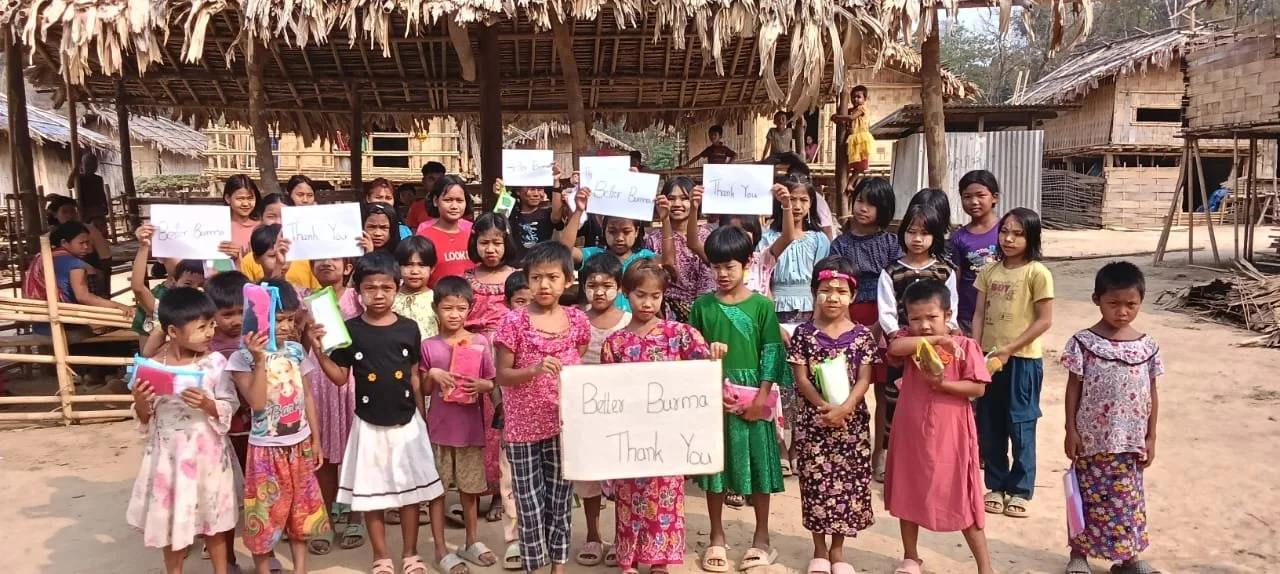
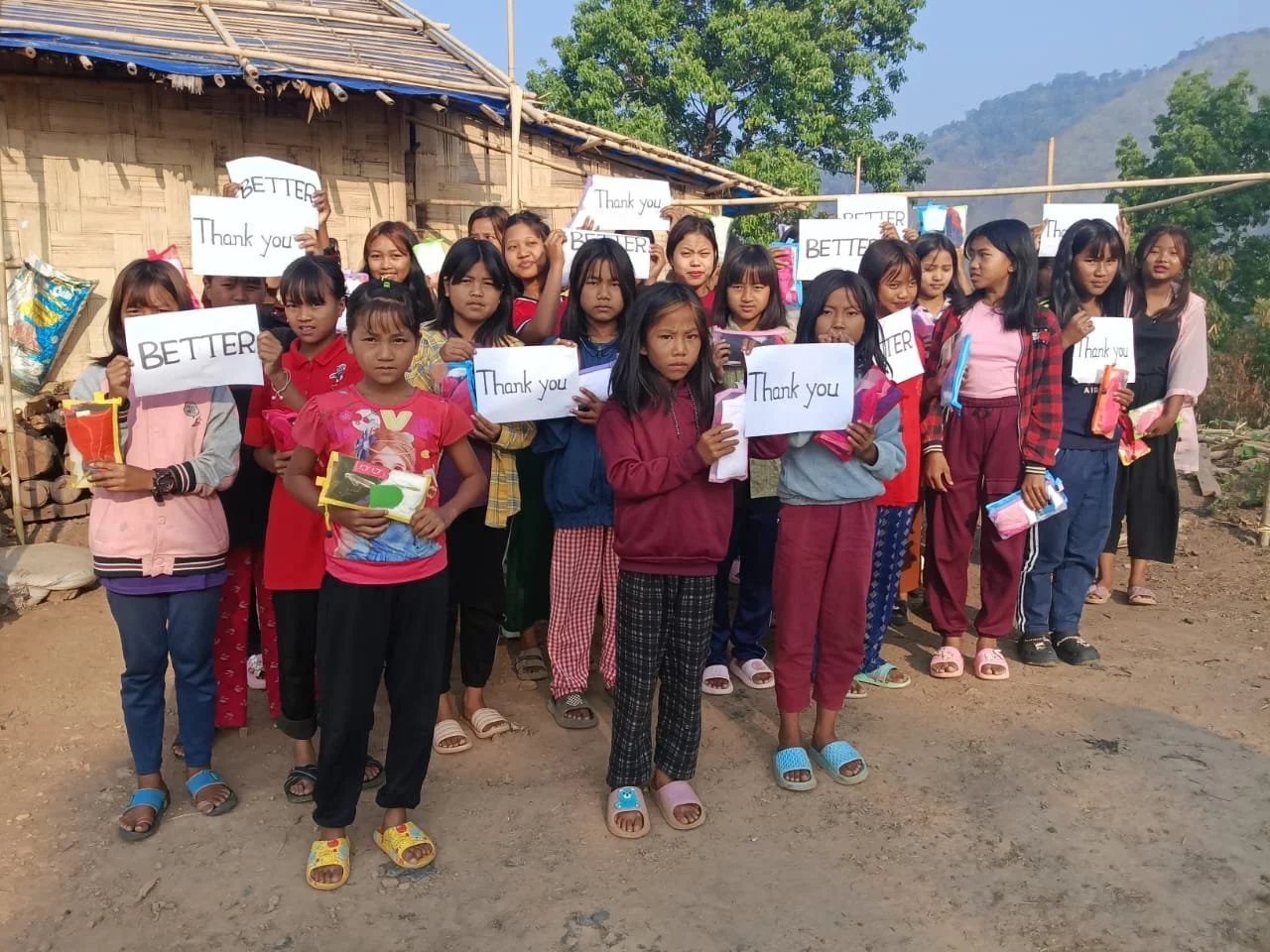
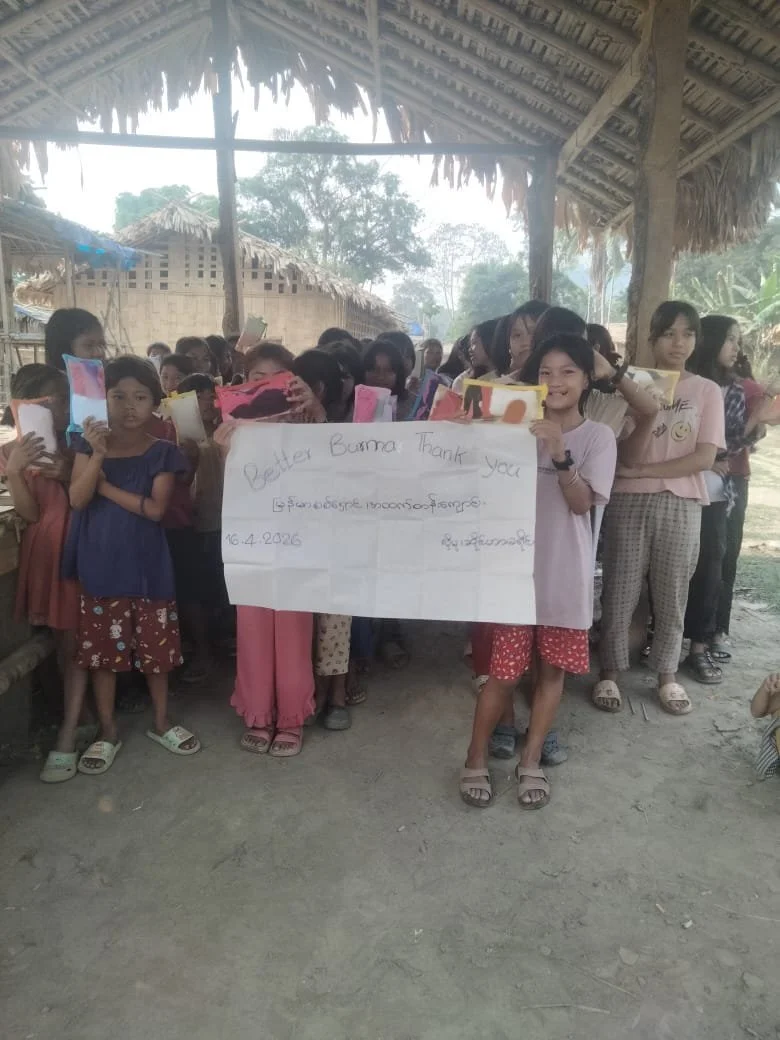
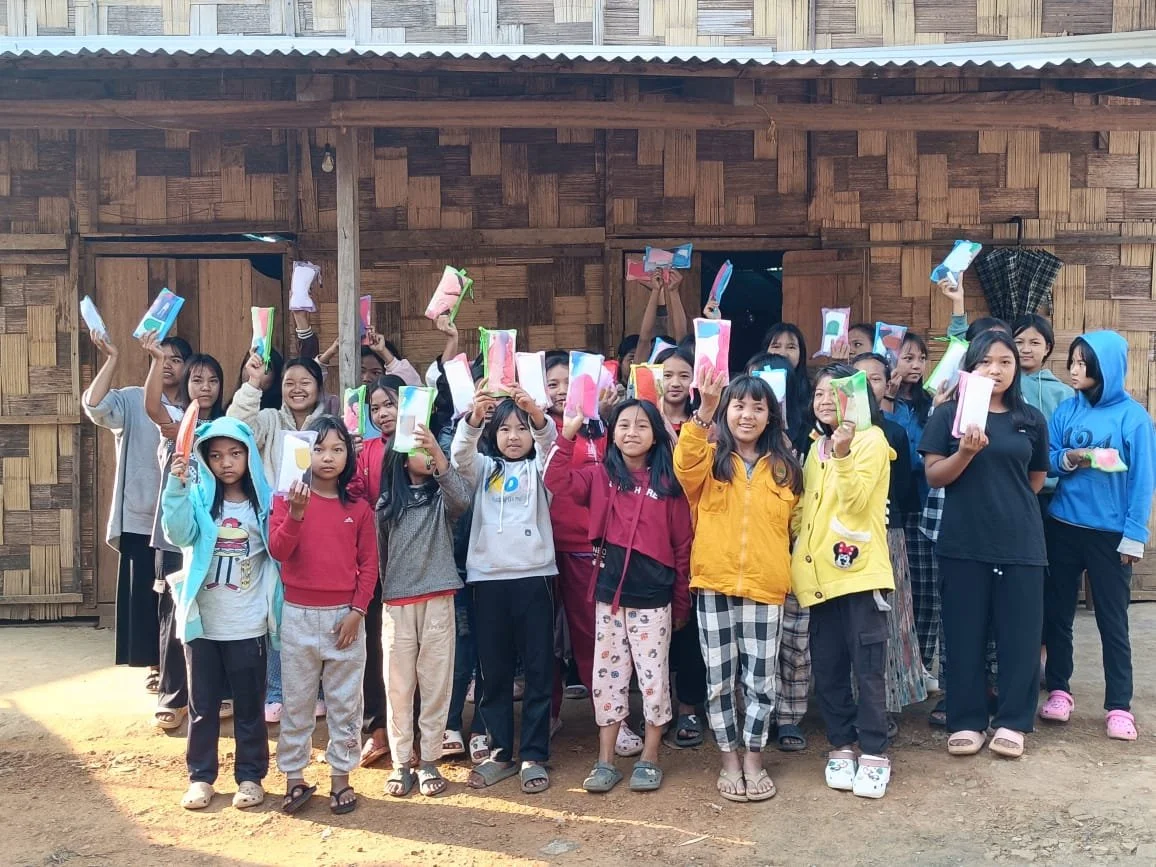
This April, a local team we have been supporting carried out a focused effort across four refugee camps—Zawngling, Laki, Lungpuk, and Khaikhy.
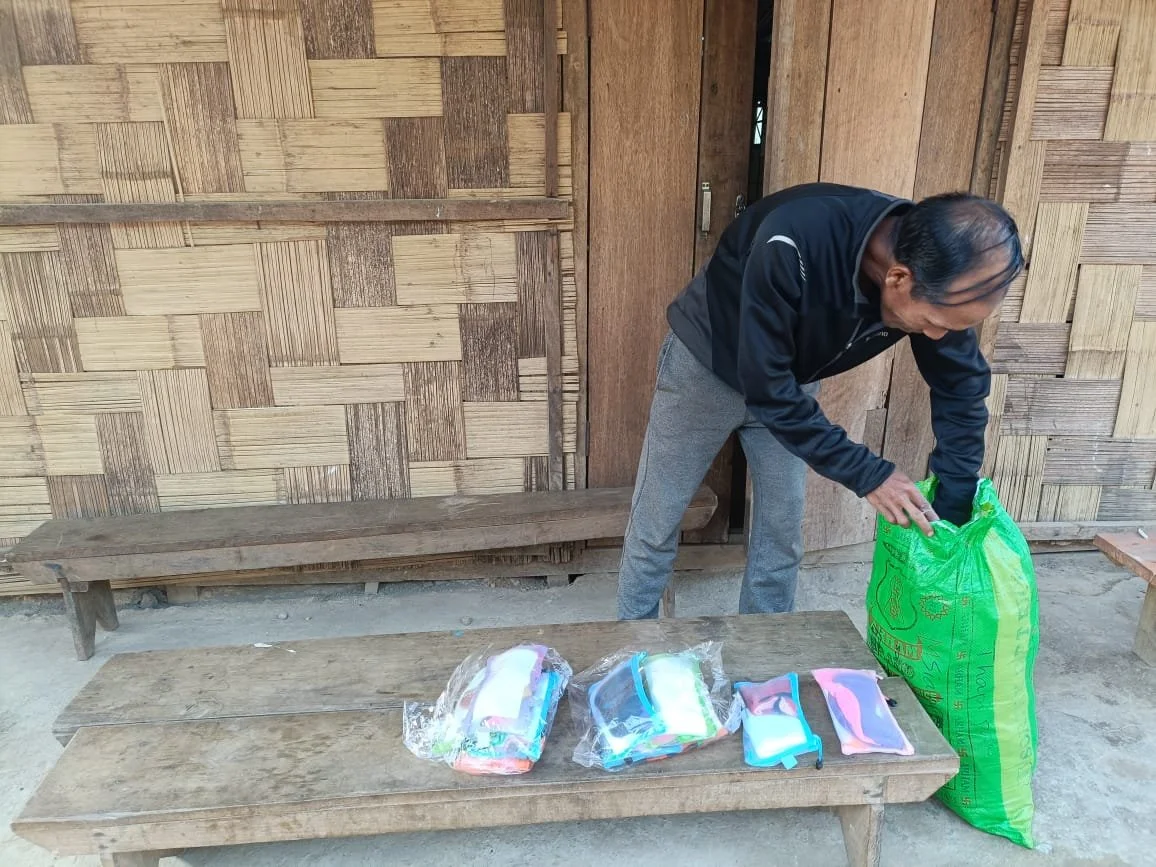
Over the course of several days, 200 girls between the ages of 11 and 15 received personal hygiene kits.
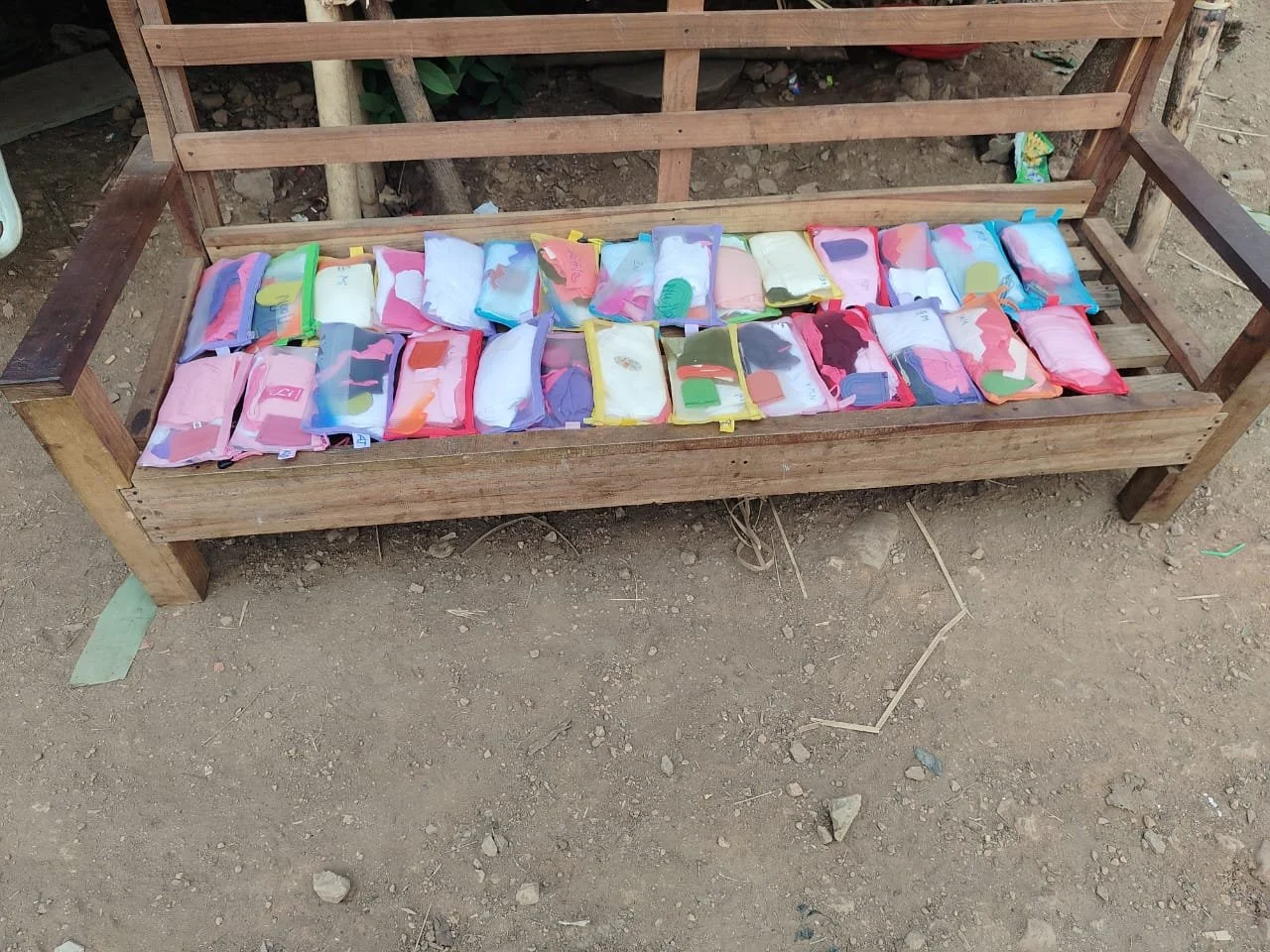
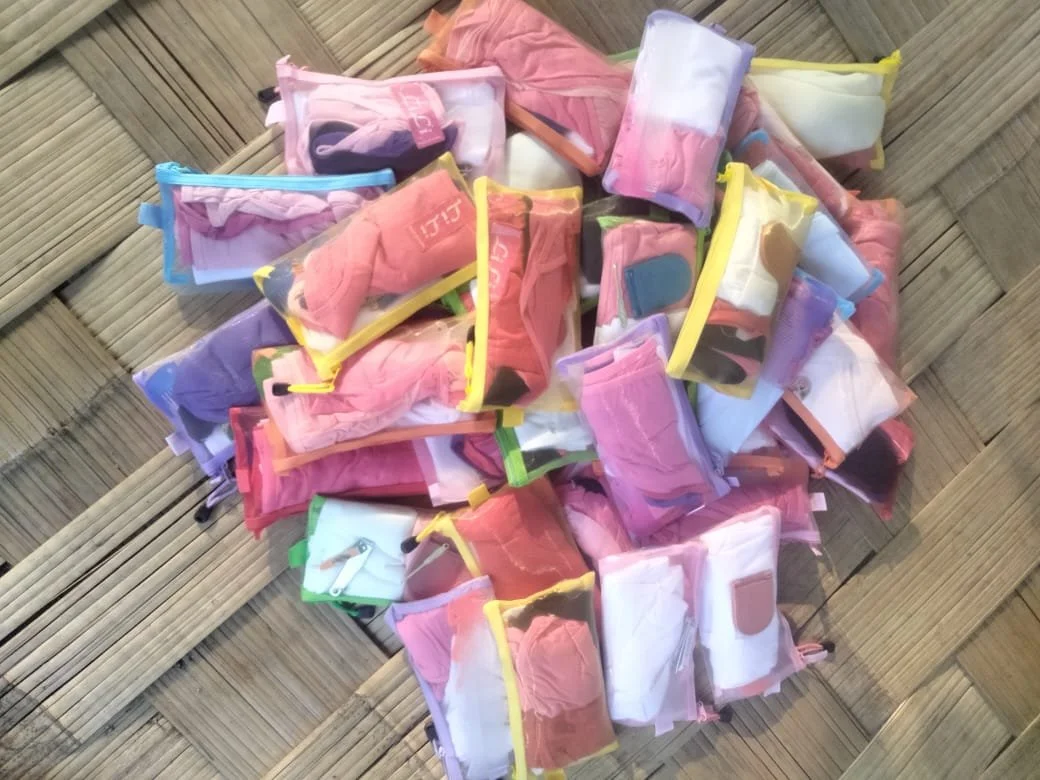
Each kit was prepared individually. Packed carefully. Given directly.
Inside were basic items:
underwear
a vest
a comb
a nail clipper
an ear pick
a mirror
and a small pouch
These are simple objects. But they meet a real need.
For many of these girls, this was the first time they had items that were fully their own.
One girl, thirteen years old, spoke about what that meant to her. She described the feeling of receiving the pouch, of being able to keep her things in one place, of having something personal for herself.
She said it made her feel more confident.
The impact extends beyond the girls themselves.
Parents in the camps carry a constant awareness of what they cannot provide. Many spoke openly about wanting to give their daughters these basic items, especially as they grow older, but being unable to do so.
When support like this arrives, it removes a pressure that families carry every day.
It allows parents to feel that their daughters are being cared for in a way they have not been able to manage alone.
Alongside the distribution, the team held short guidance sessions with both girls and caregivers.
They spoke about daily hygiene practices, washing and rotating clothing, keeping nails short, maintaining clean hair, and using basic tools properly.
These were practical conversations. Grounded in daily life. Shared in a way that families could continue on their own.
This part of the work matters, because the goal is not only to provide items, but to support habits that strengthen health and wellbeing over time.
The full project reached four camps and was completed within a matter of weeks.
The total cost was just over 111,000 INR, covering procurement, preparation, transportation, and coordination.
At its core, the project was simple.
Identify a need.
Work with a local group already present.
Deliver support directly.
Across Myanmar and along its borders, communities continue to face displacement, conflict, and limited access to basic services. Millions remain in urgent need of assistance, with many families relying on external support to meet even essential daily needs.
In these settings, targeted interventions like this one are not large-scale solutions. But they are precise. And they reach people in ways that matter.
There are many ways to measure impact.
Numbers are one way.
Logistics are another.
But often, it comes down to something more direct.
A girl who now has her own belongings.
A parent who feels a little less strain.
A routine that becomes easier to maintain.
This project reached 200 girls, but there are many more living under similar conditions.
We will continue supporting efforts like this, working through local networks, responding to specific needs, and focusing on what can be delivered effectively.
If you would like to support this work, you can do so through Better Burma.
Your support allows these projects to move forward, quietly, directly, and where they are needed most.