
Beyond the Basics
For thousands of refugee families living along the India–Myanmar border, survival often means making impossible choices. Food, shelter, and education consume what little resources families have, leaving personal hygiene items beyond their reach. For many young people growing up in displacement, even owning a few basic personal belongings is something they can only hope for.
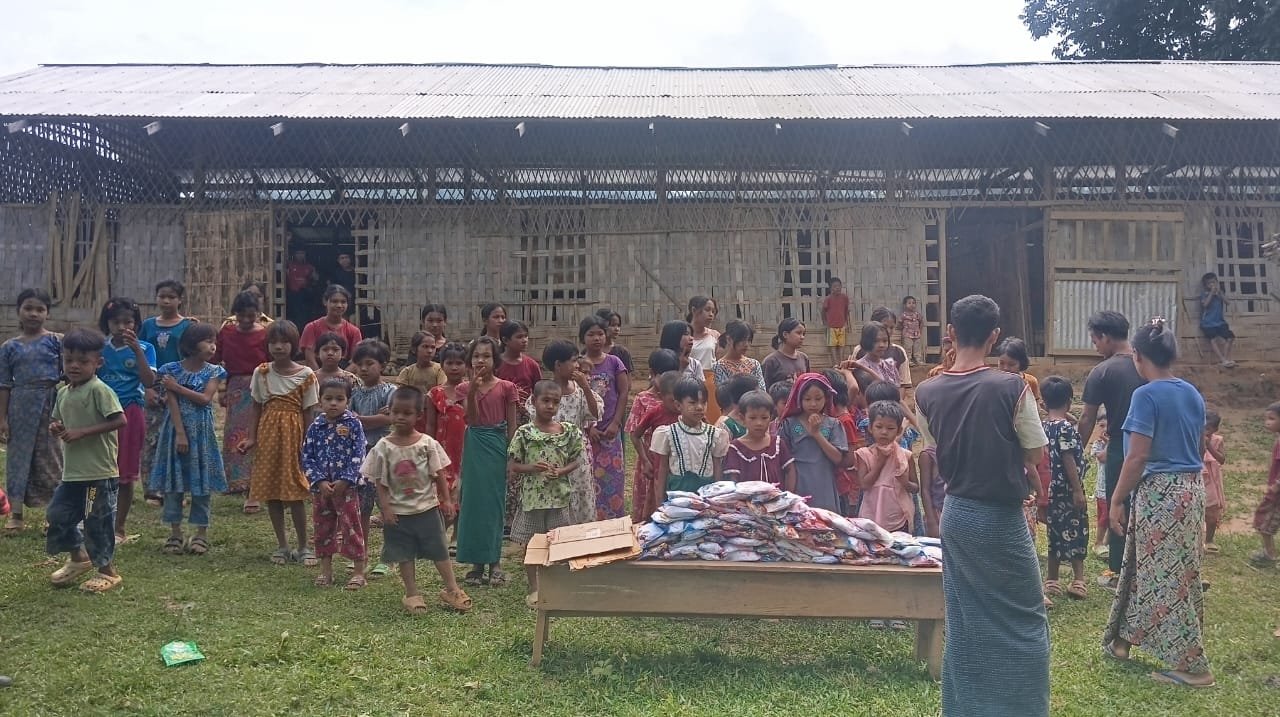
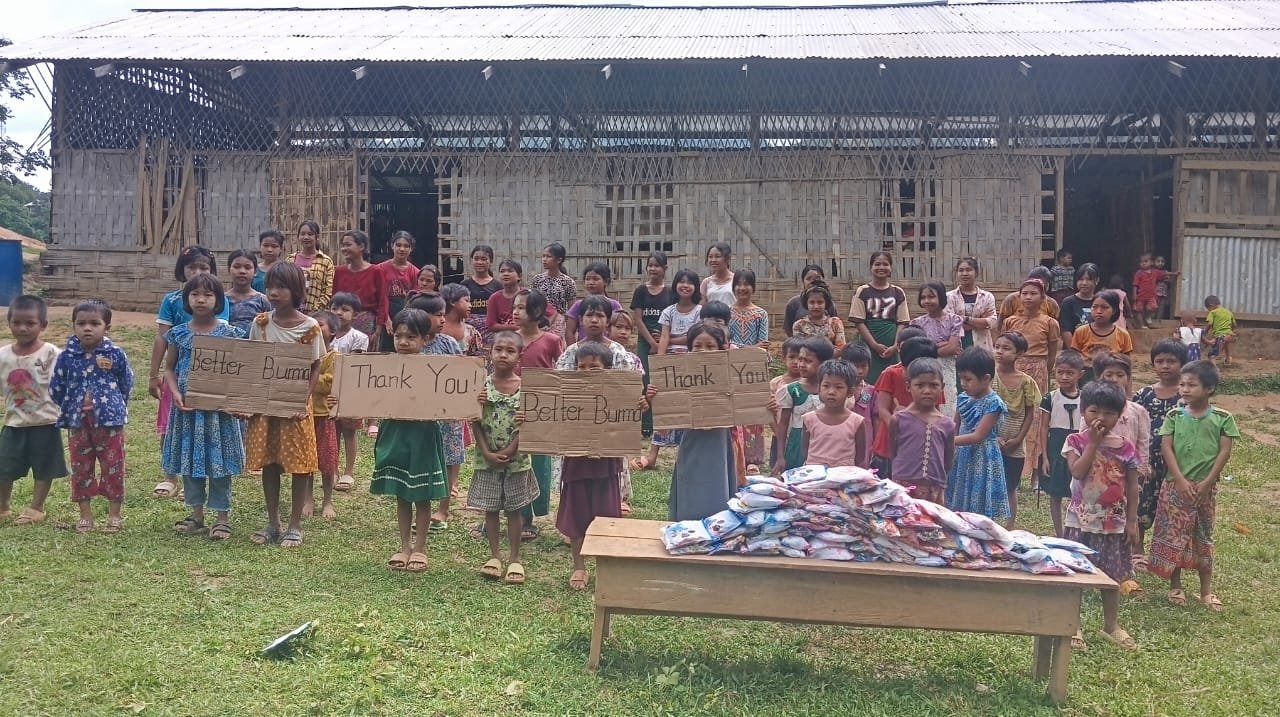
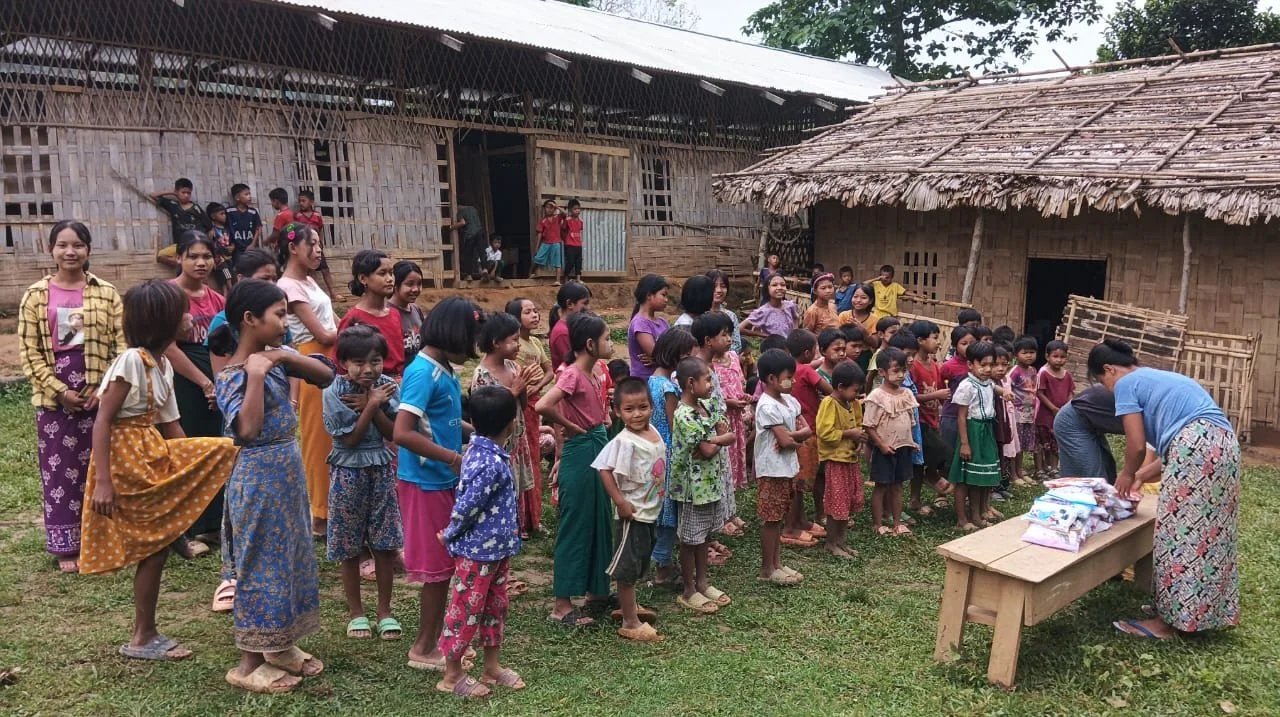
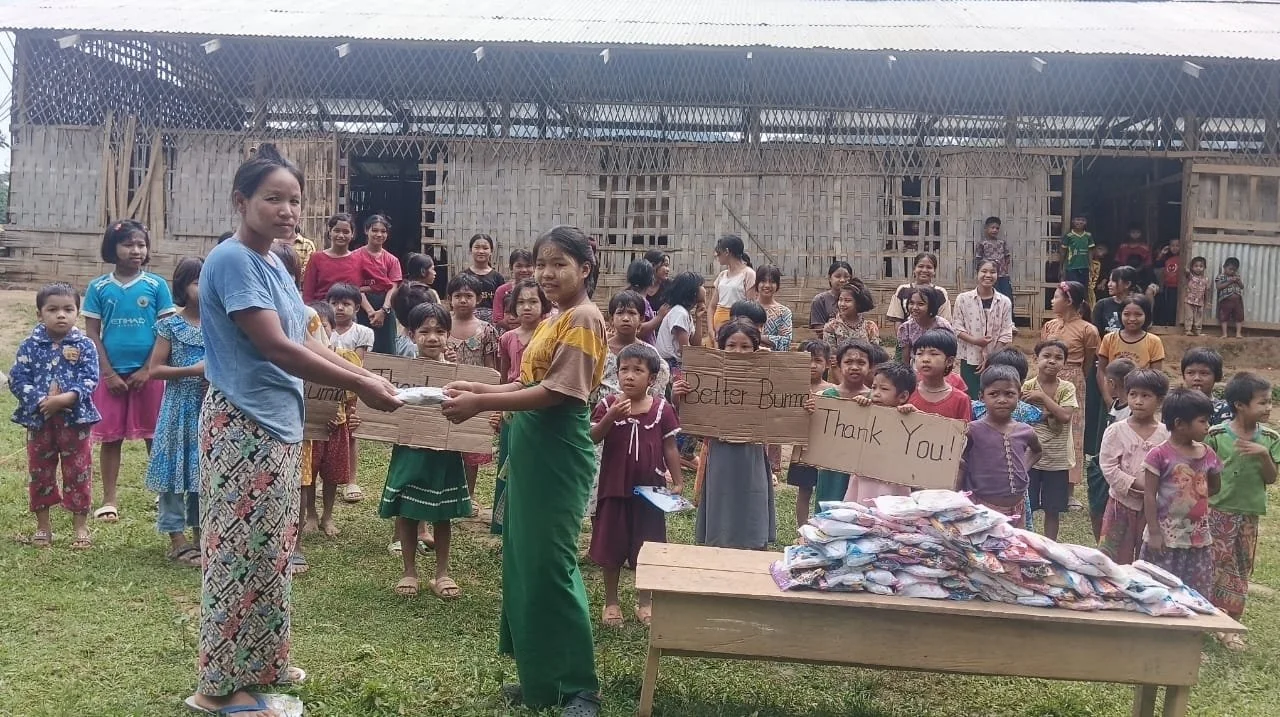
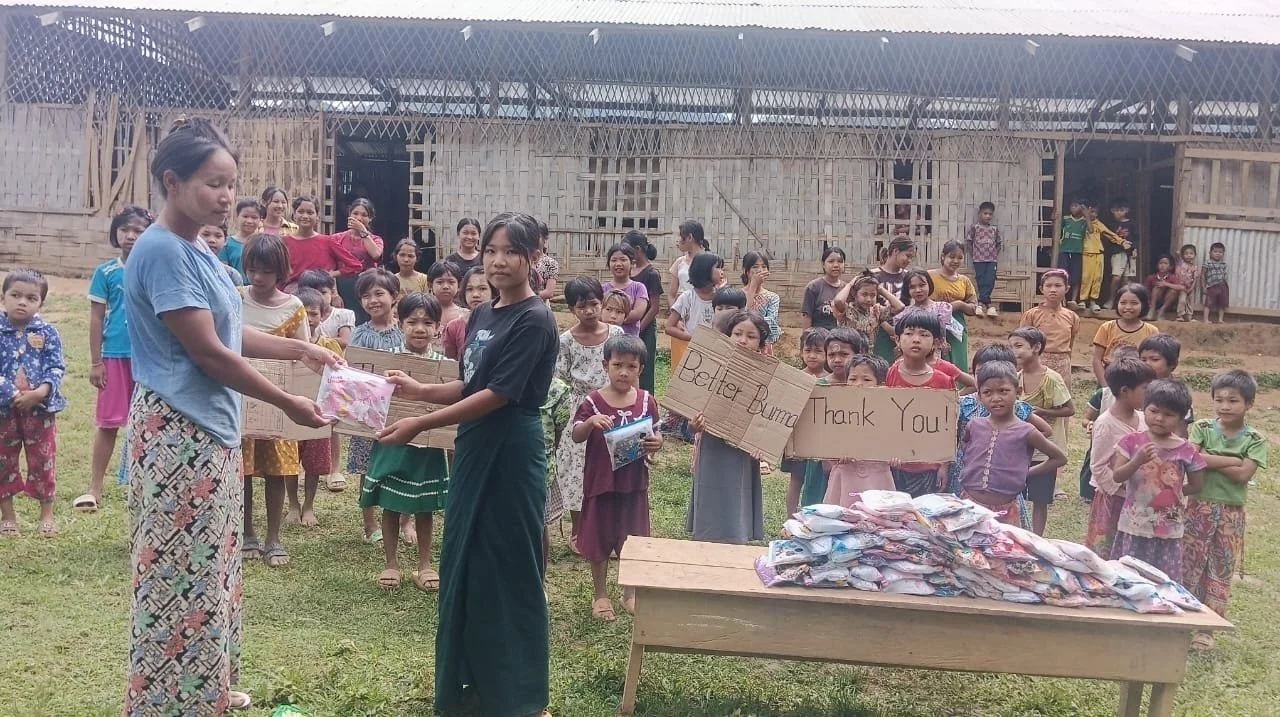
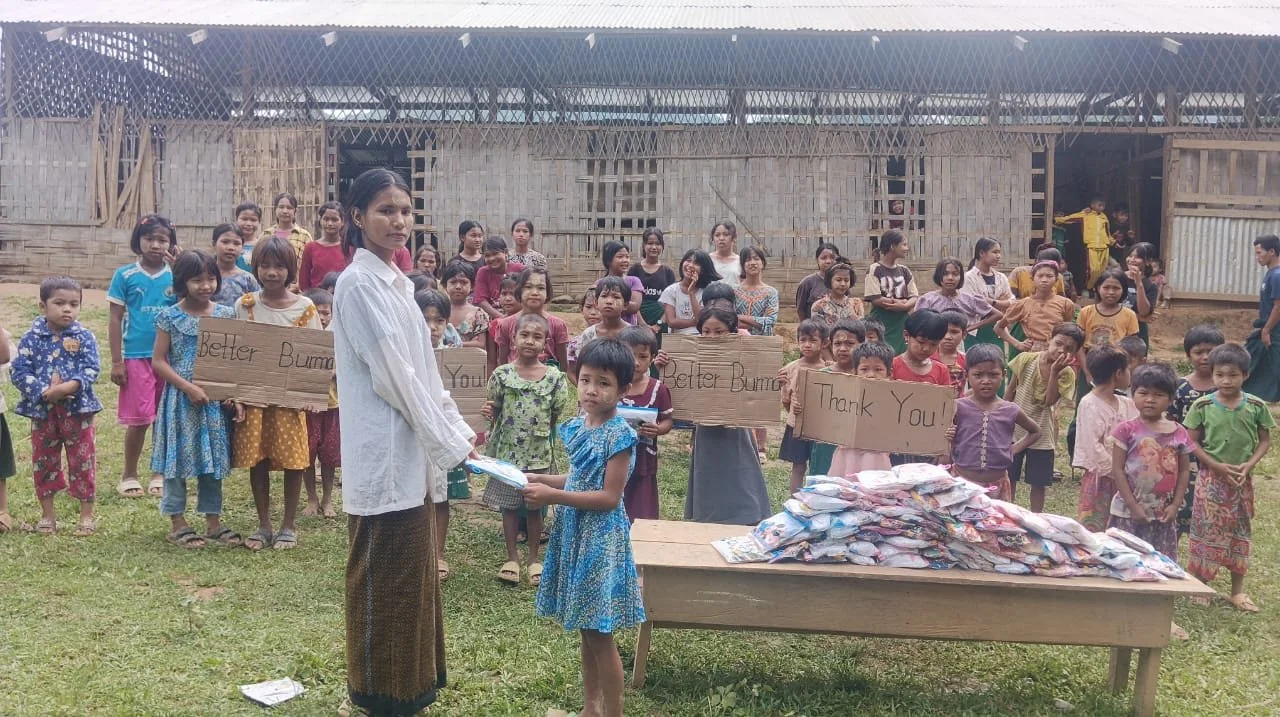
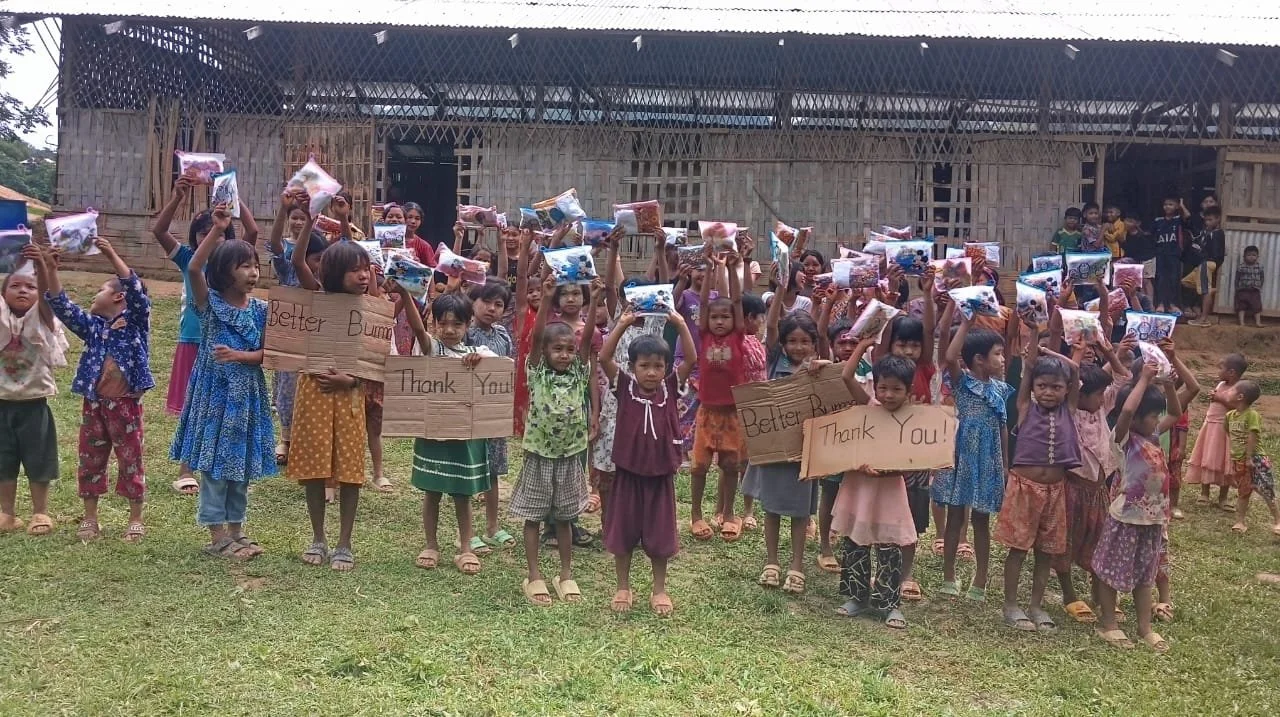
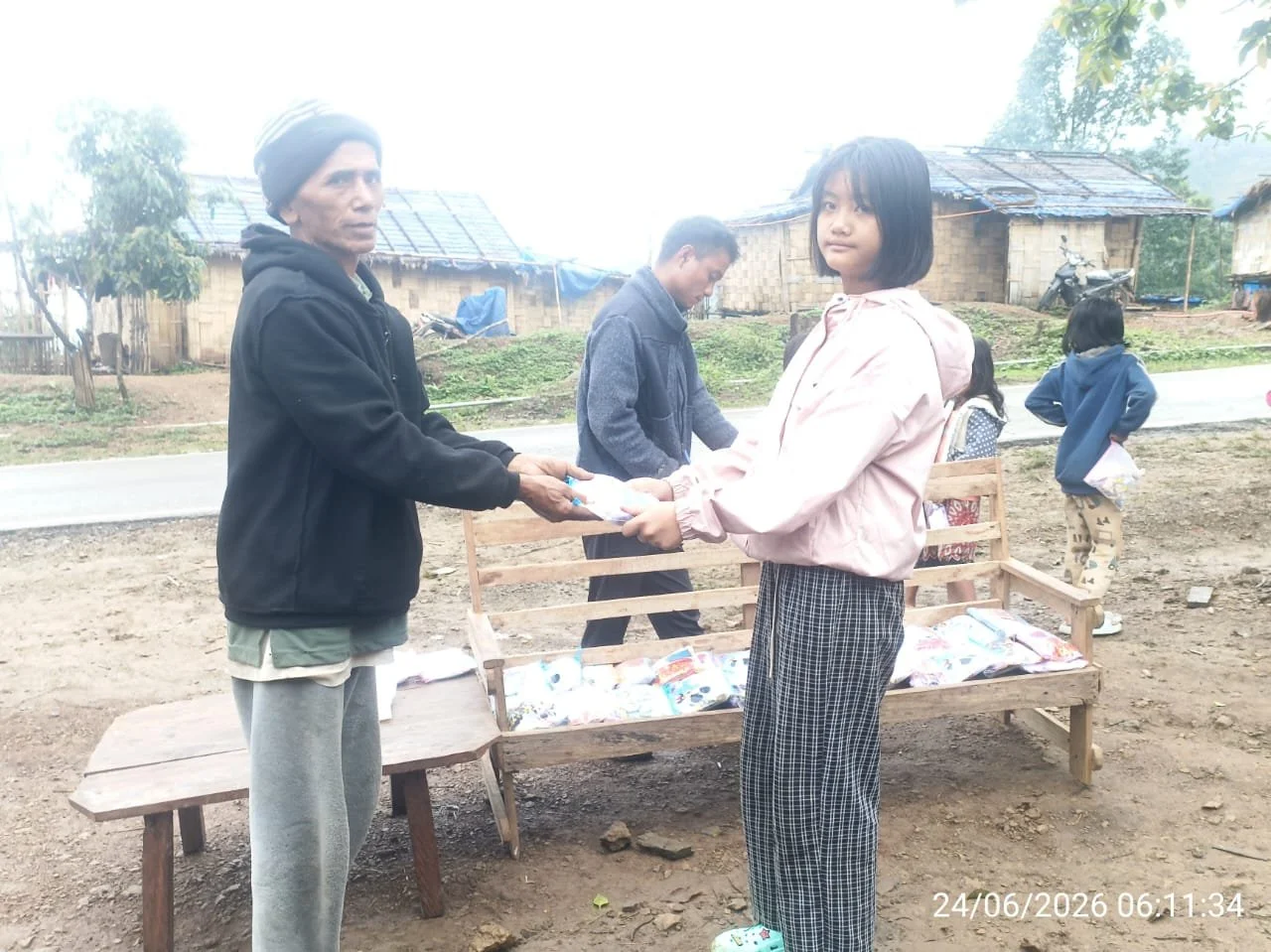
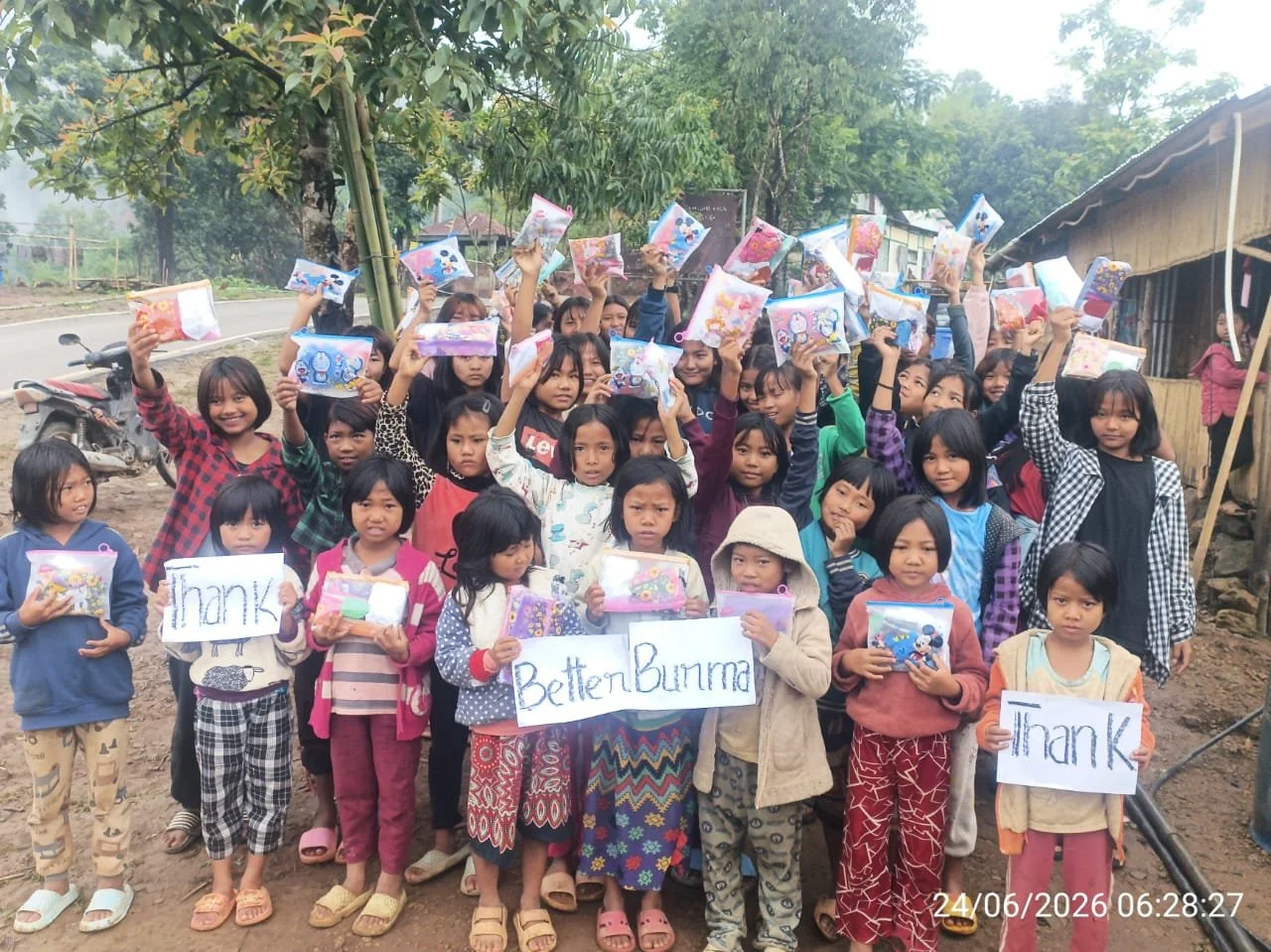
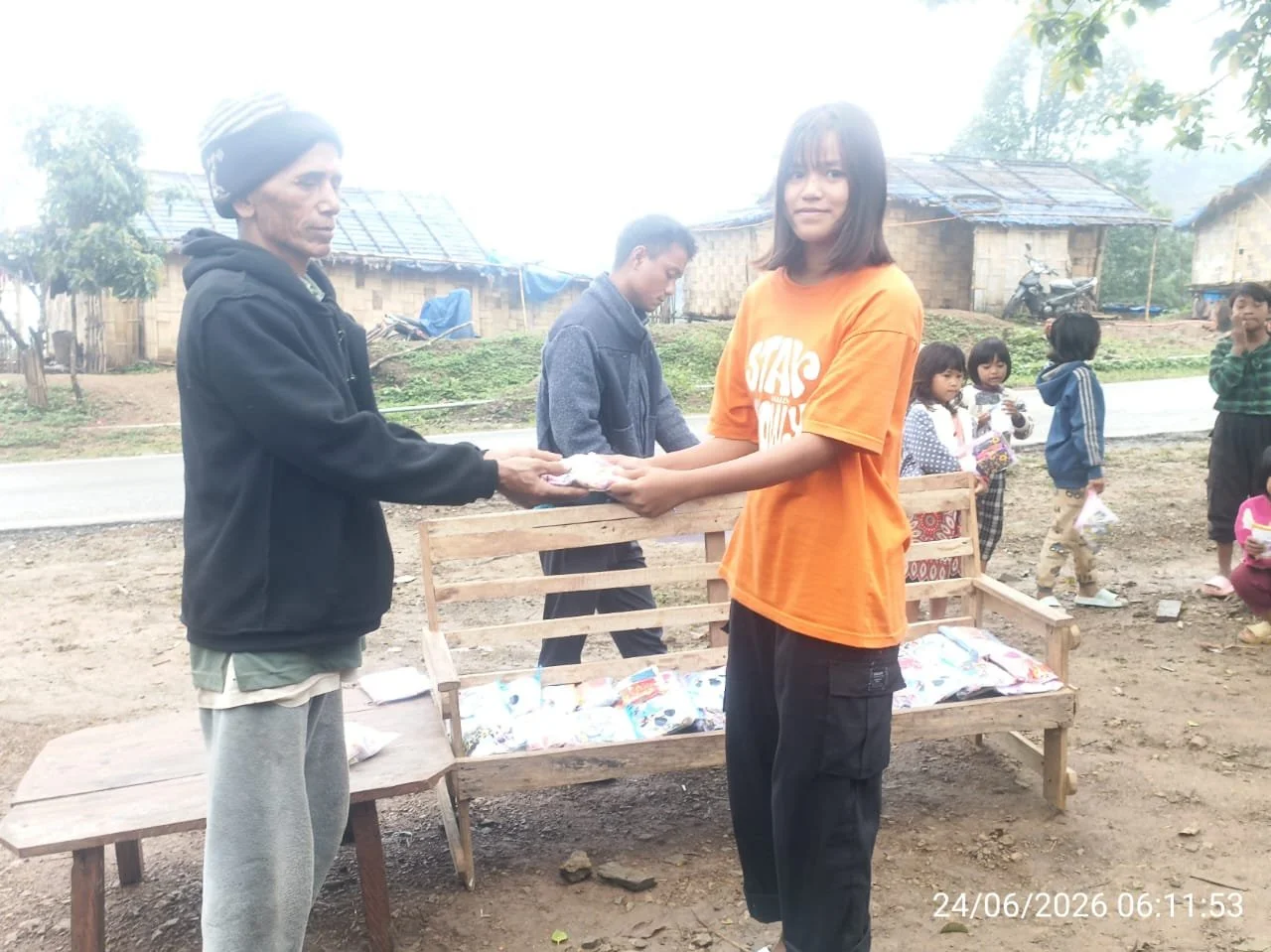
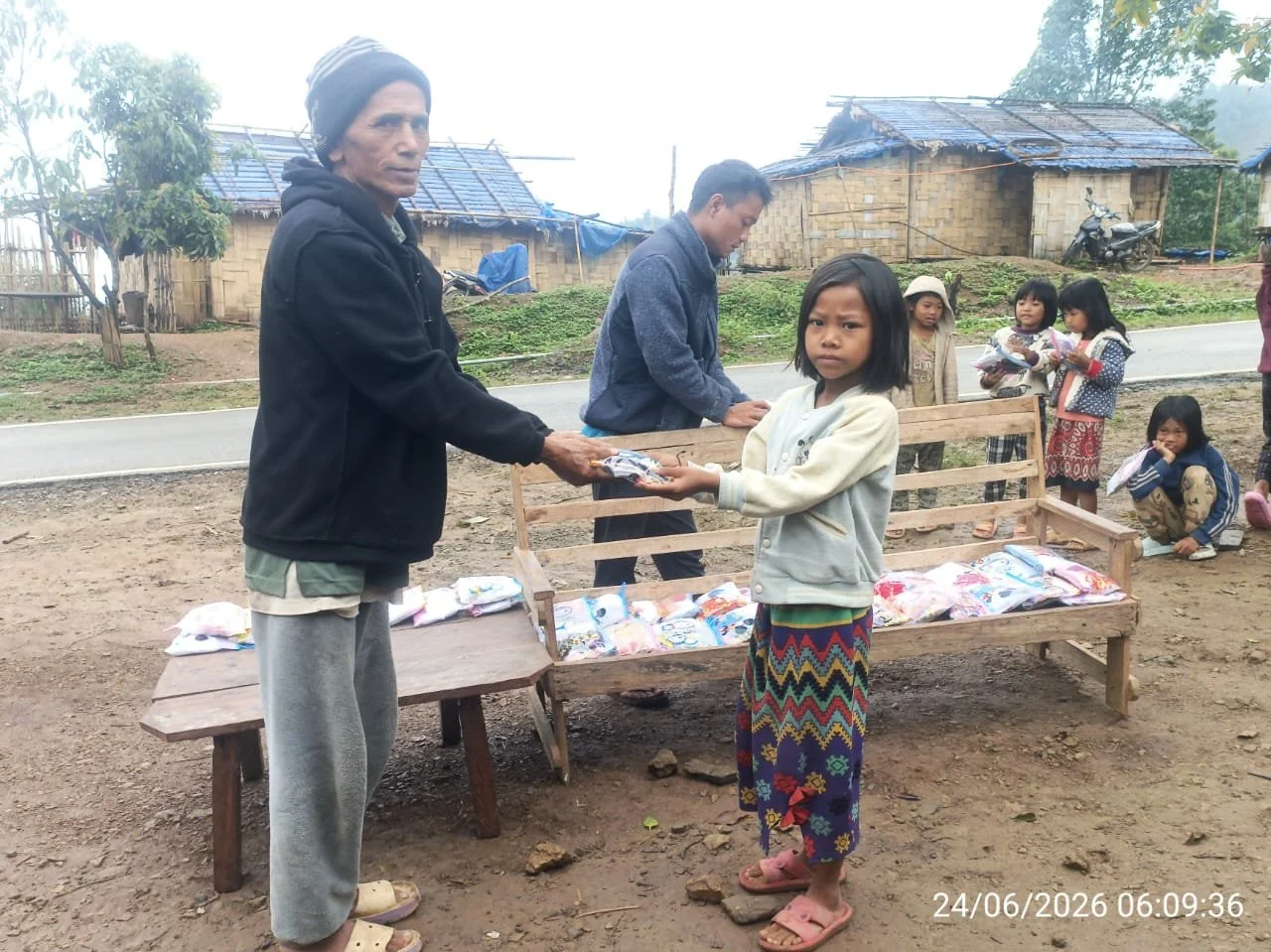
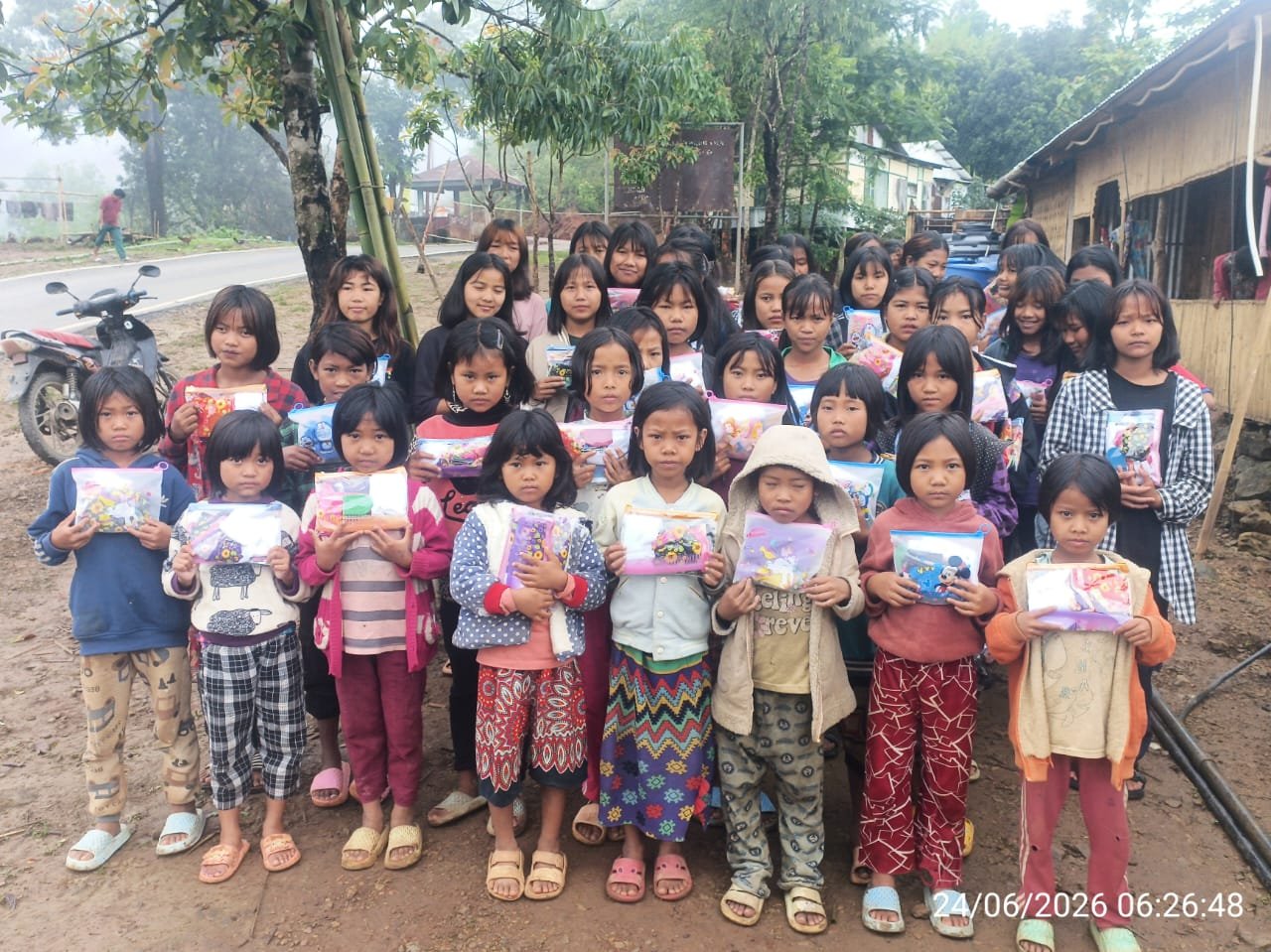
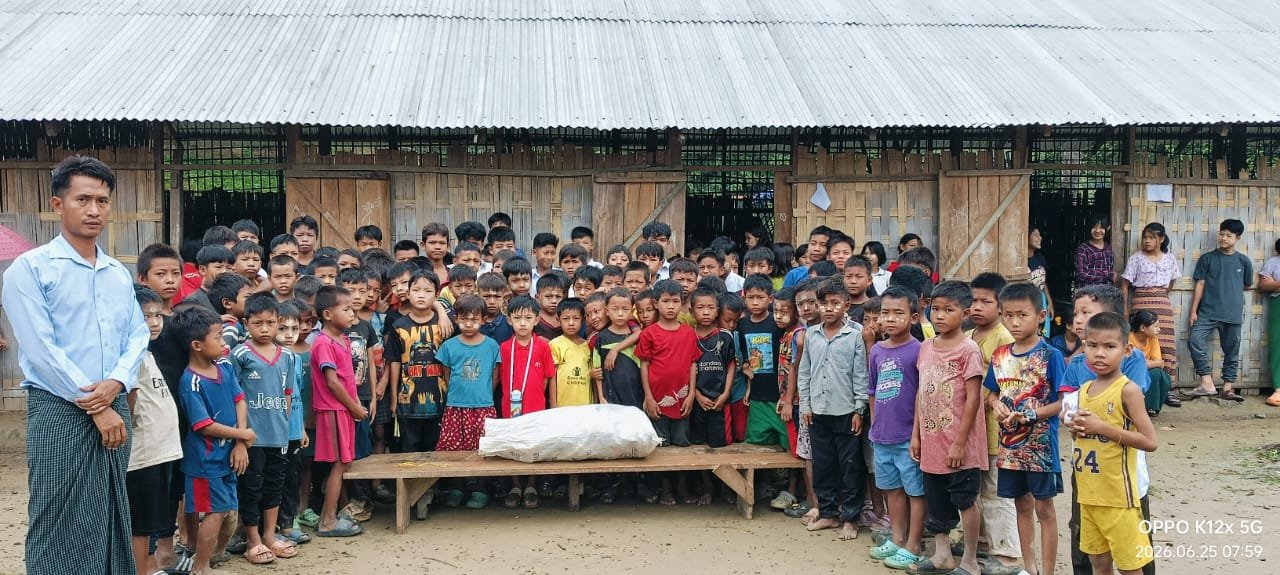
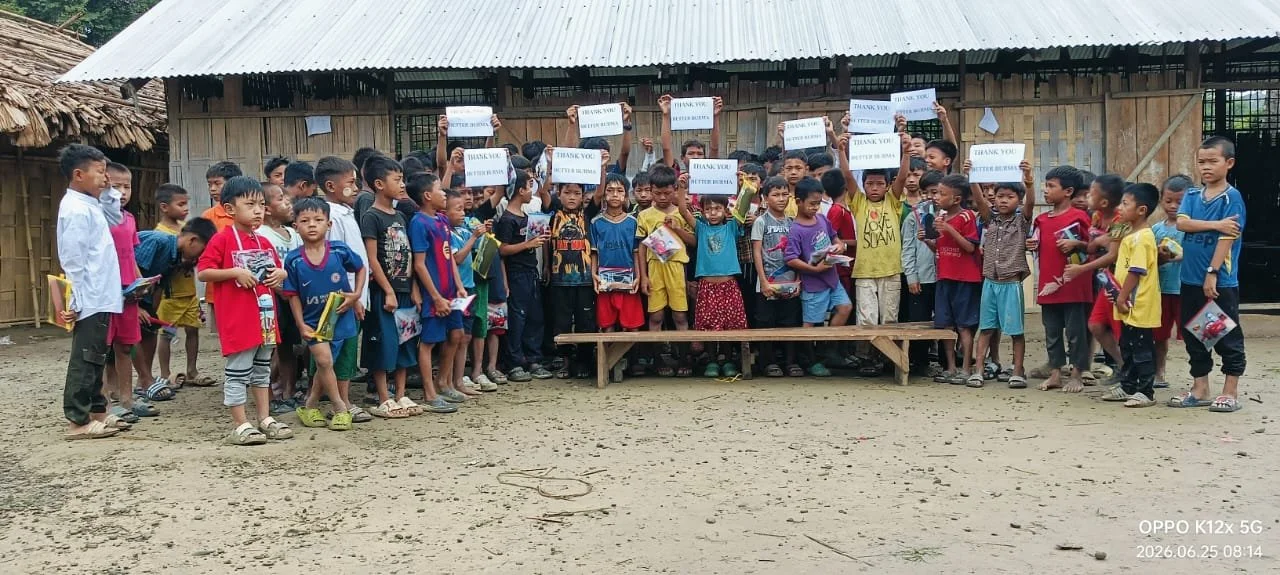
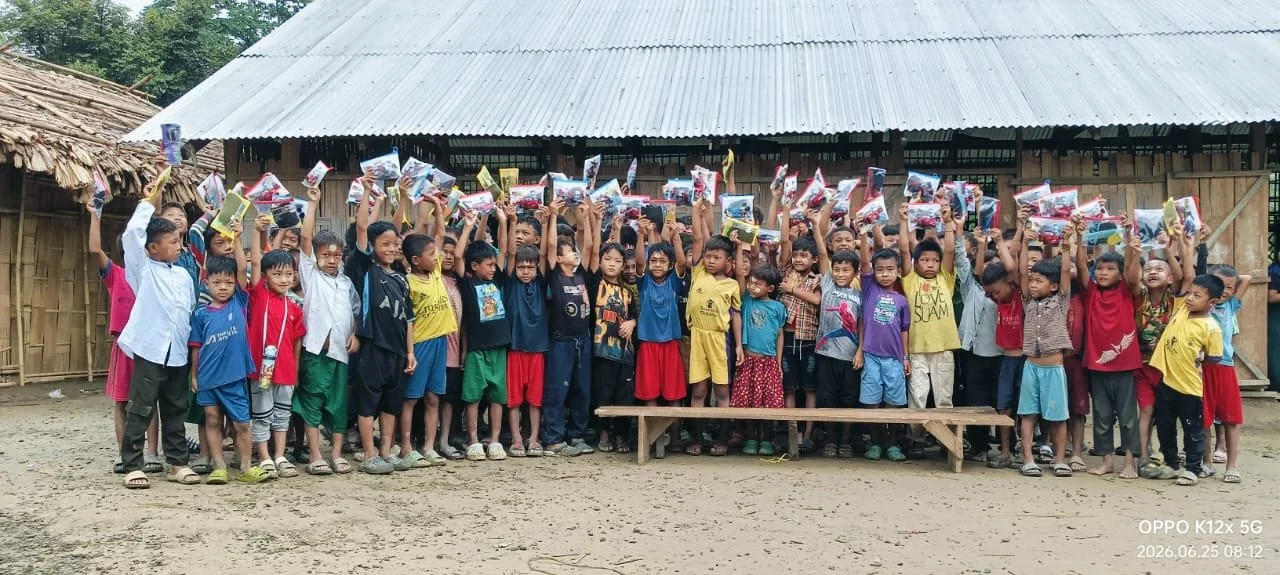
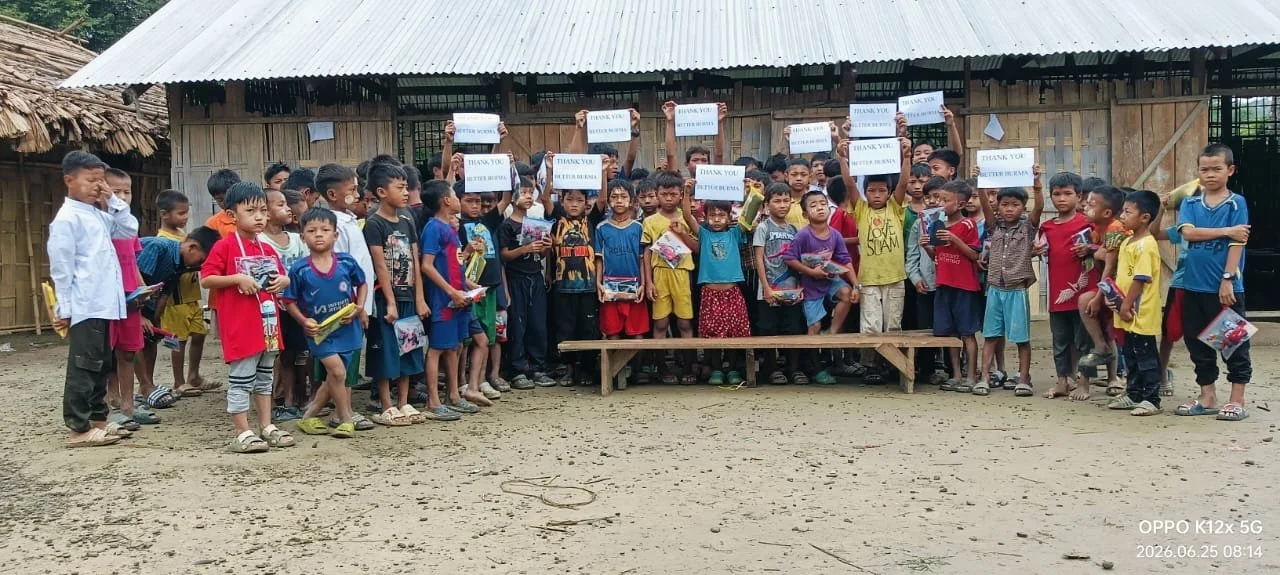
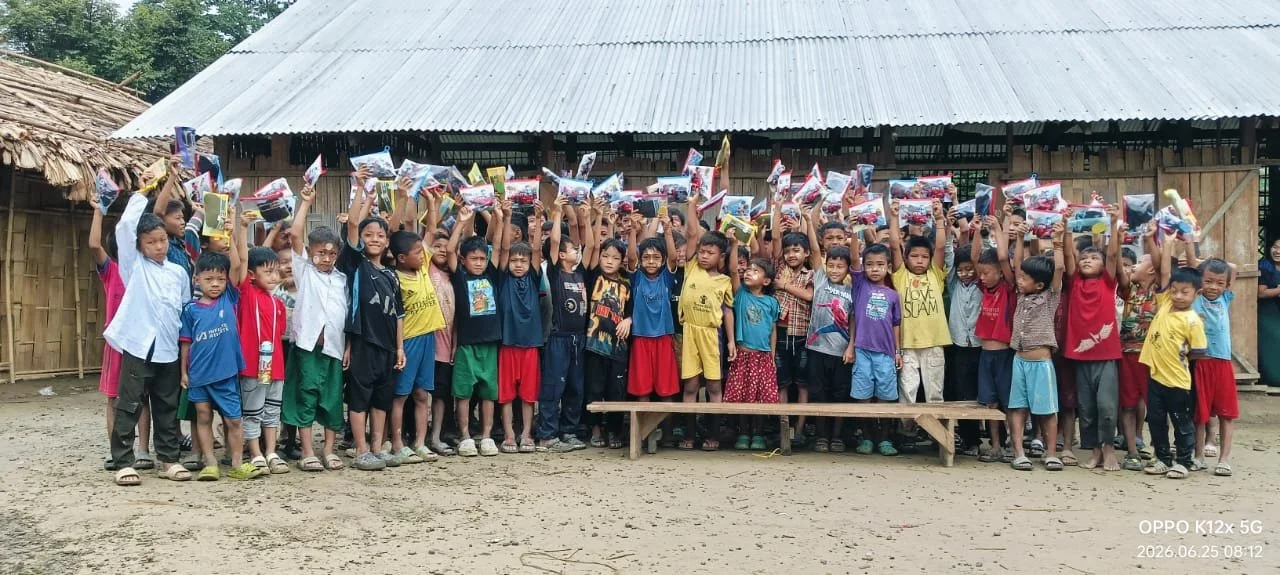
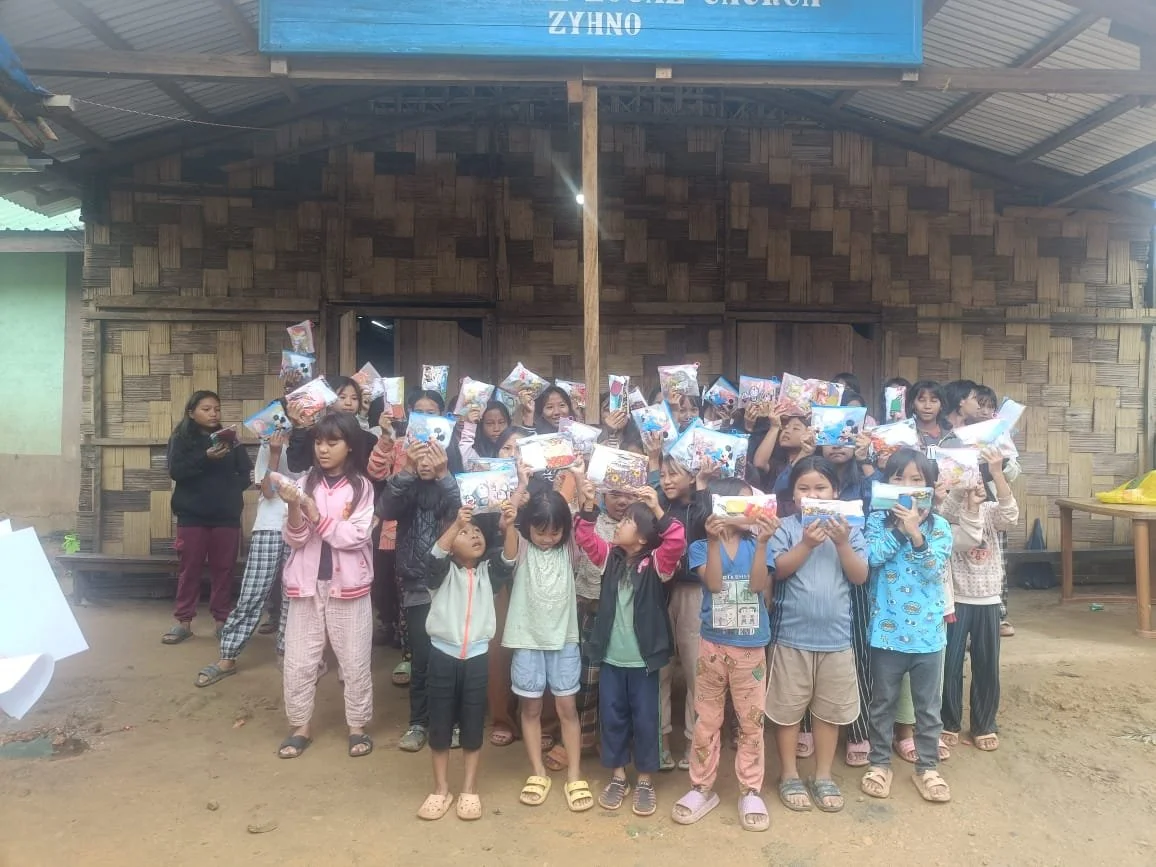
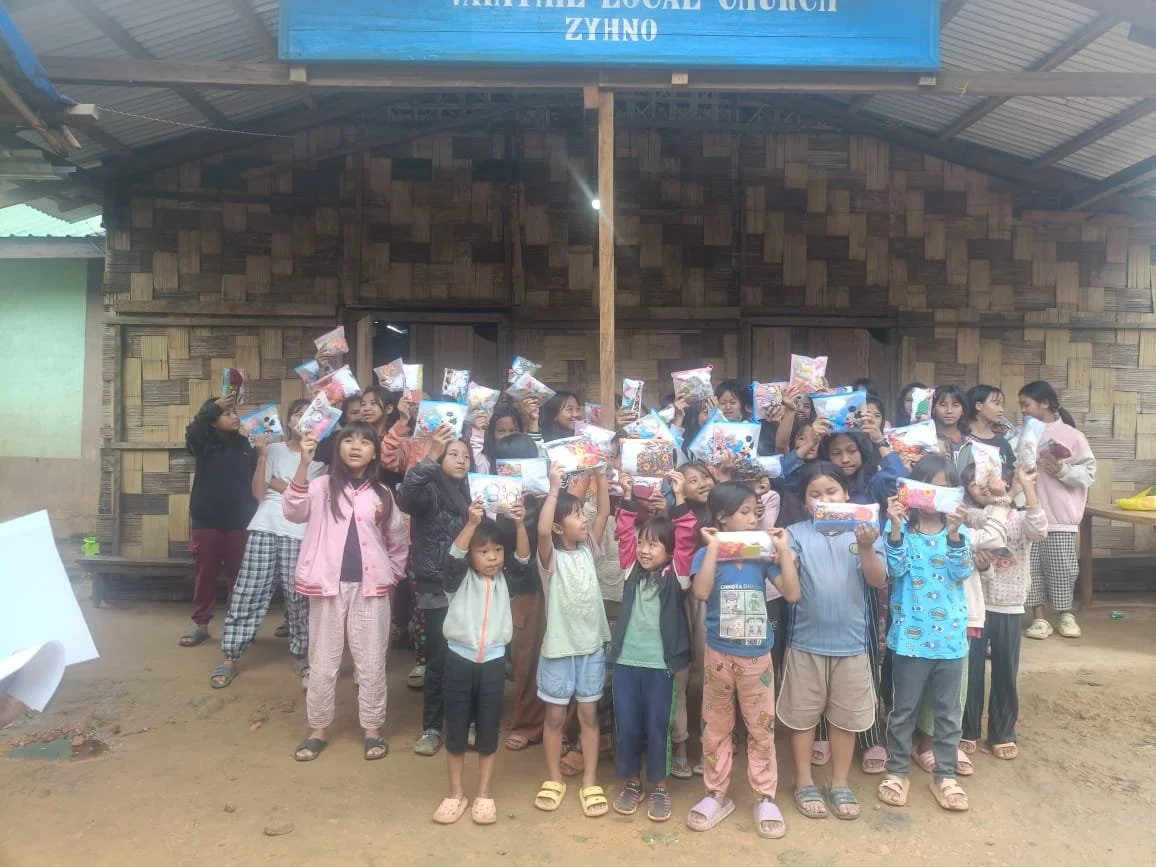
This June, Better Burma, with your generous support, continued its commitment to these young refugees through the second phase of the Dignity in Her Hands Project Phase 2, reaching 300 adolescents living in four refugee camps in Siaha District, Mizoram, India.
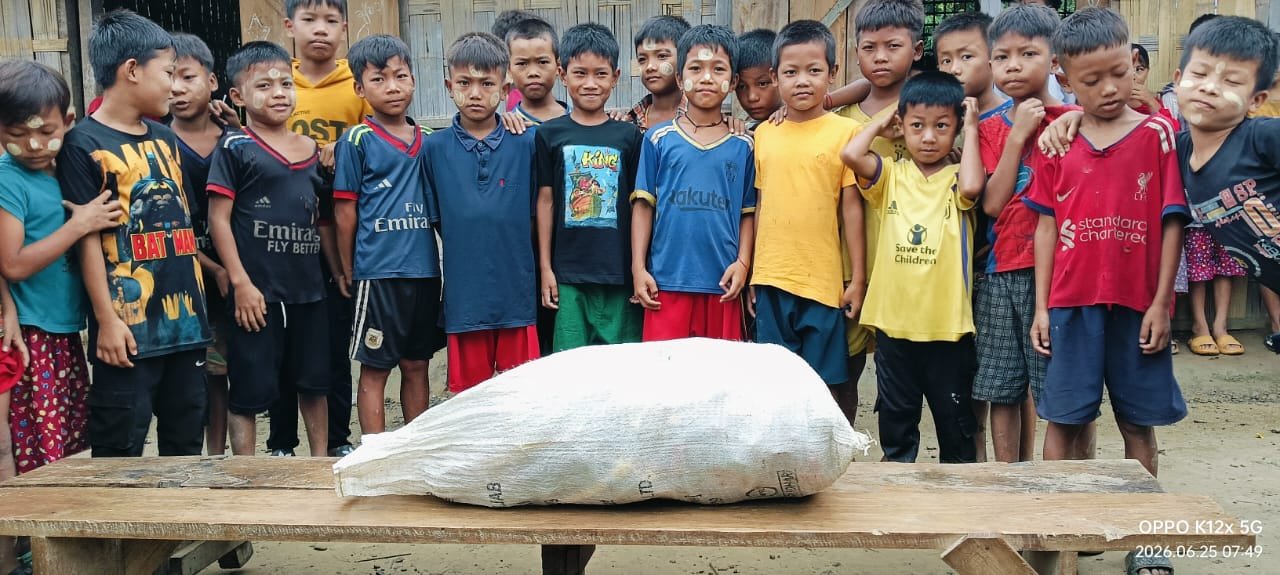
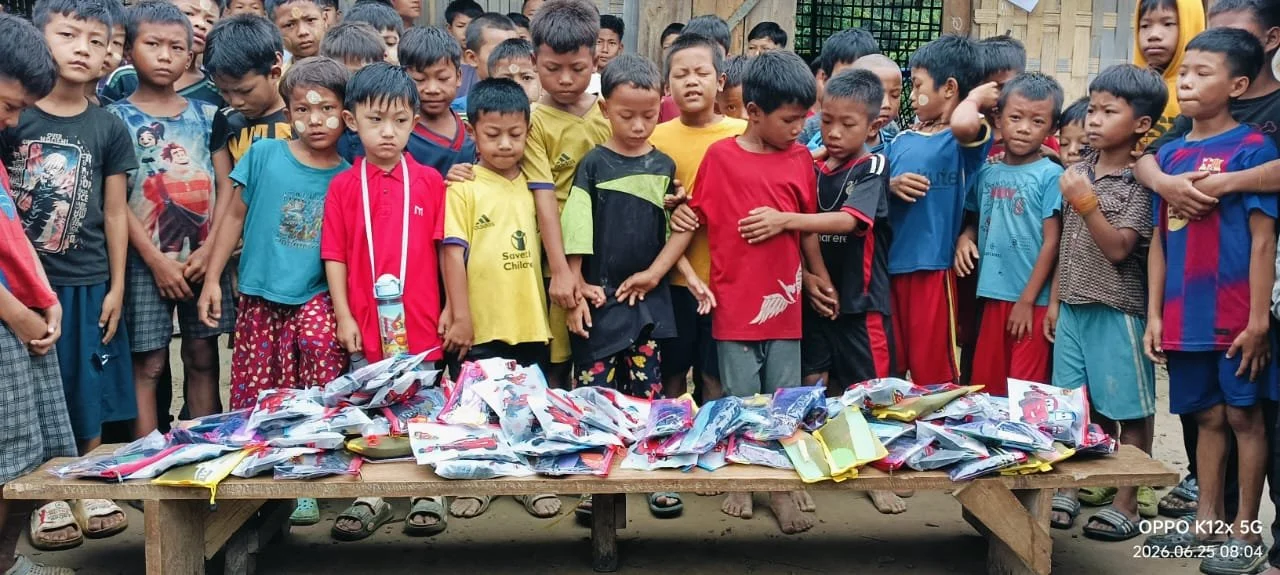
The project built on the success of its first phase, which focused on adolescent girls. This time, the initiative expanded to include boys as well, ensuring that even more young people could experience the confidence and dignity that come from having their own essential hygiene supplies.
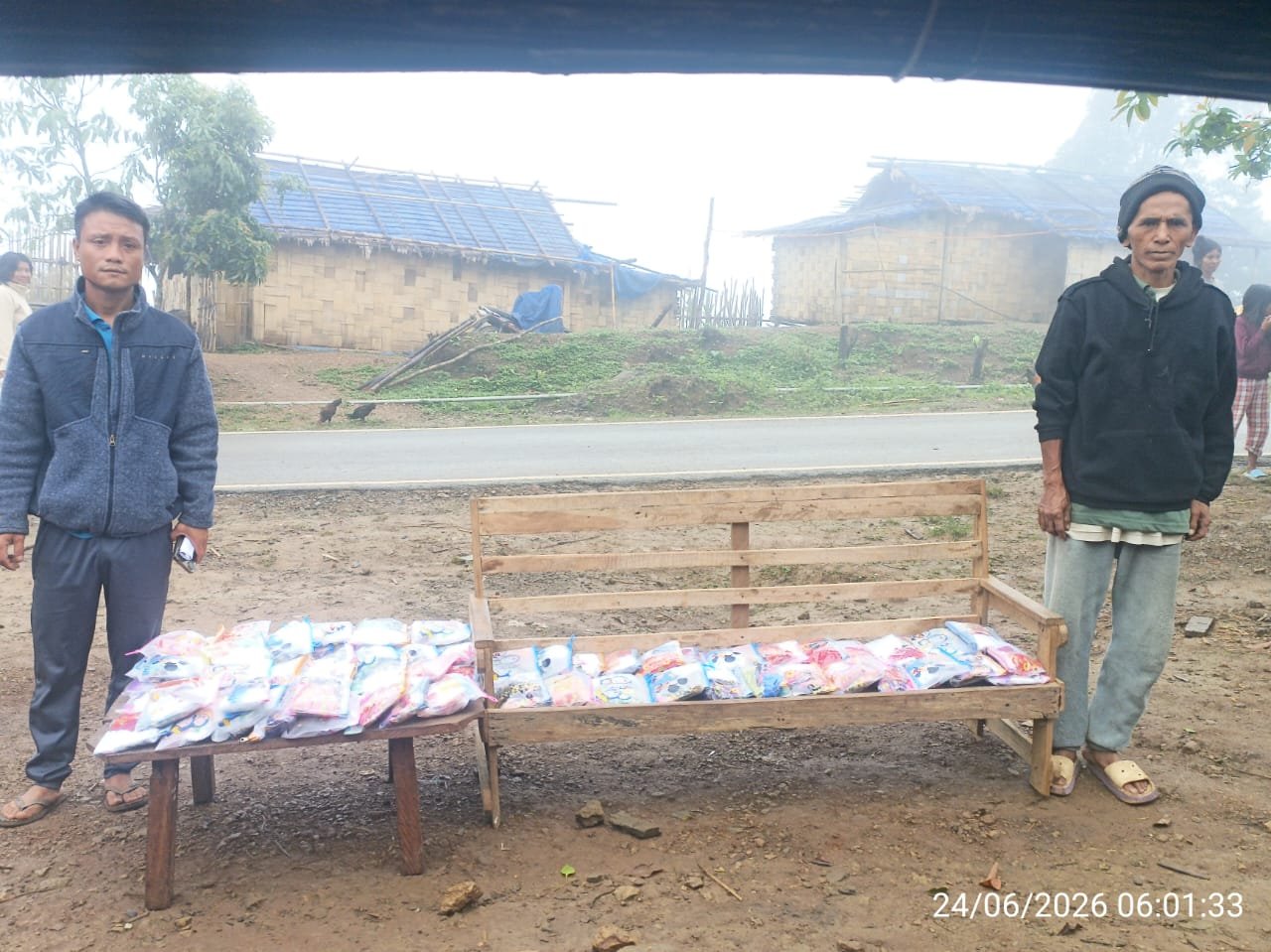
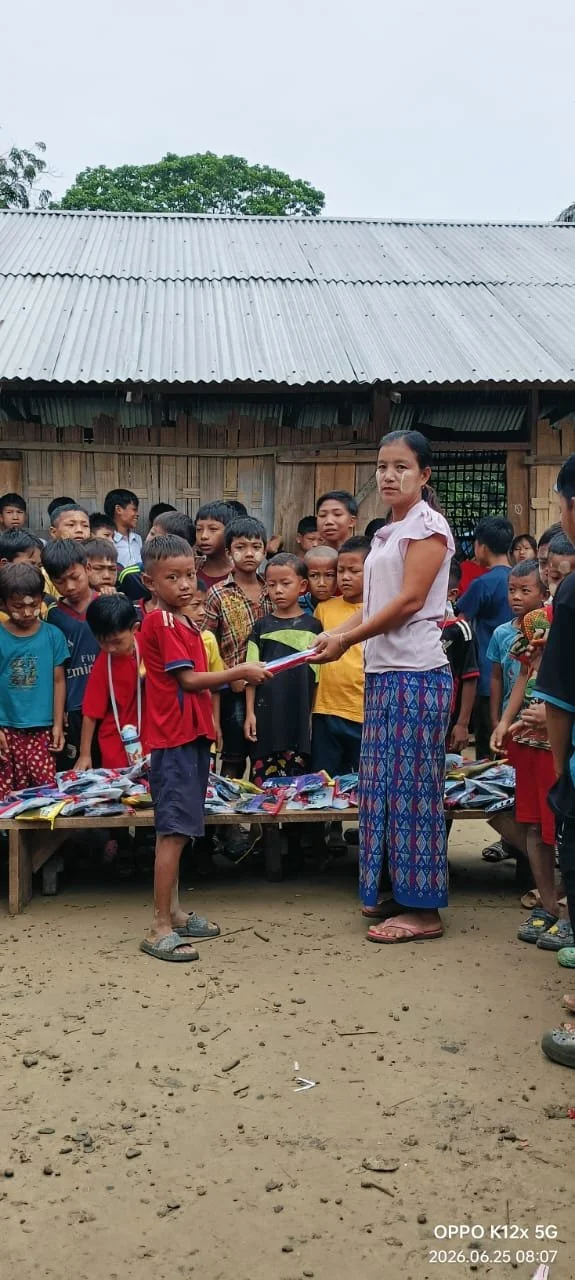
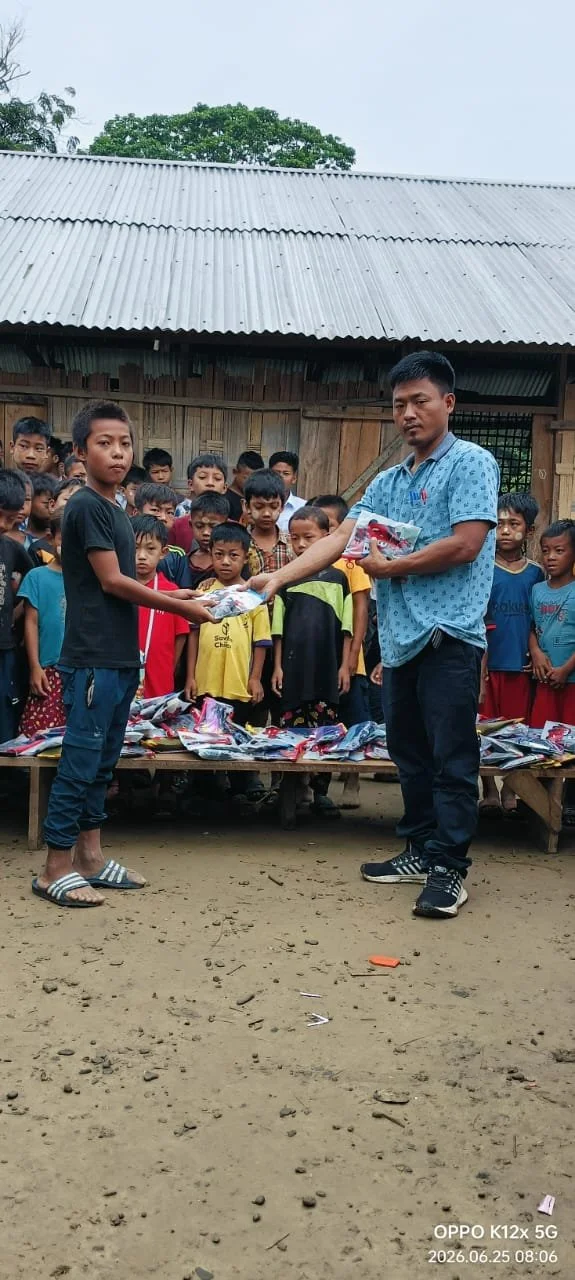
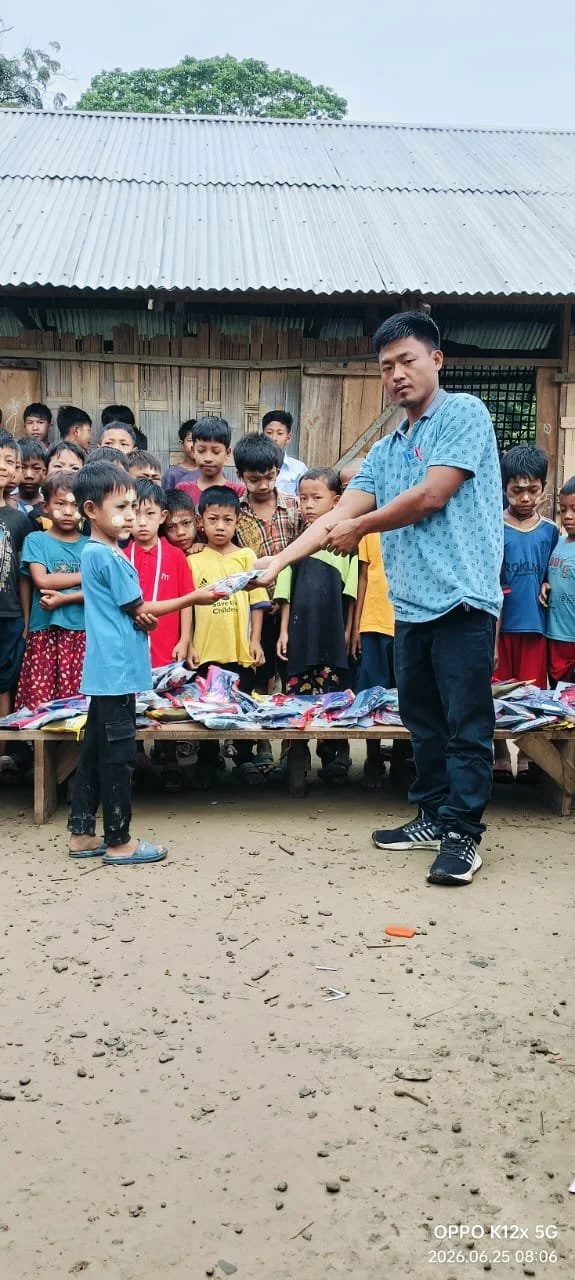
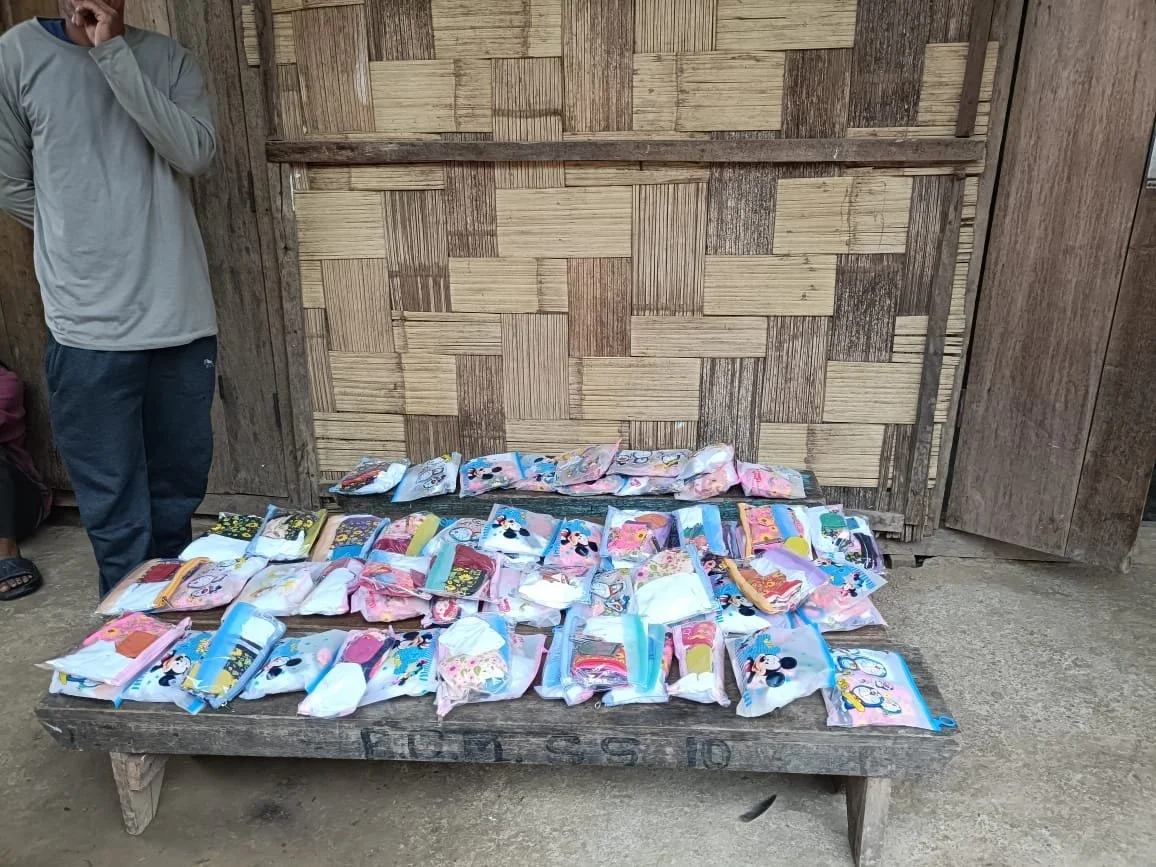
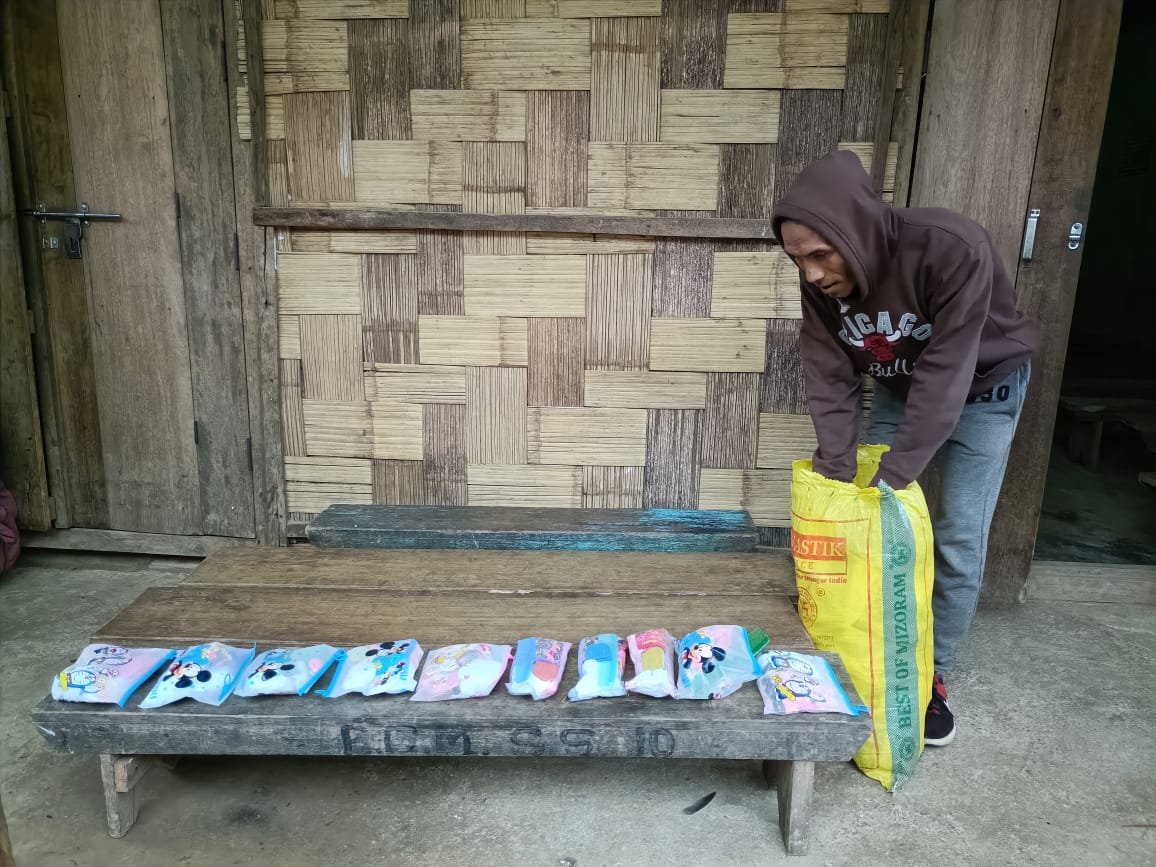
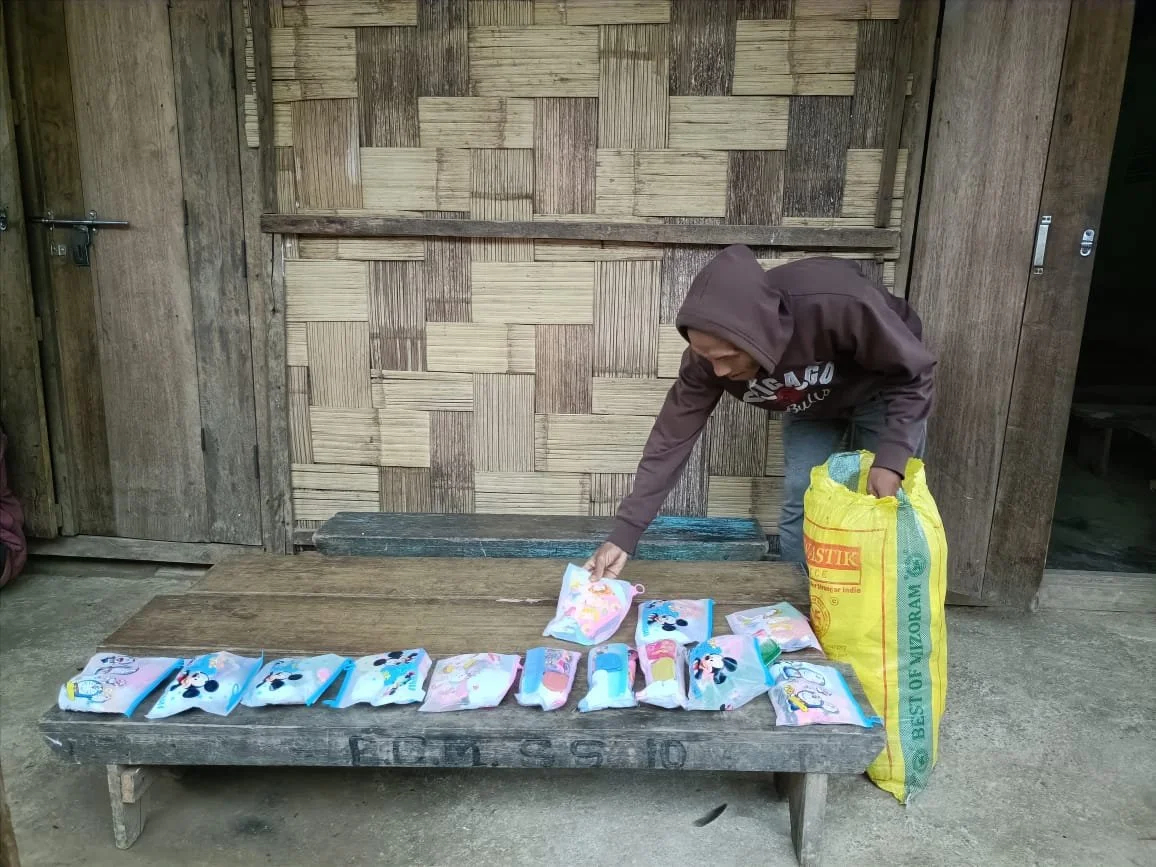
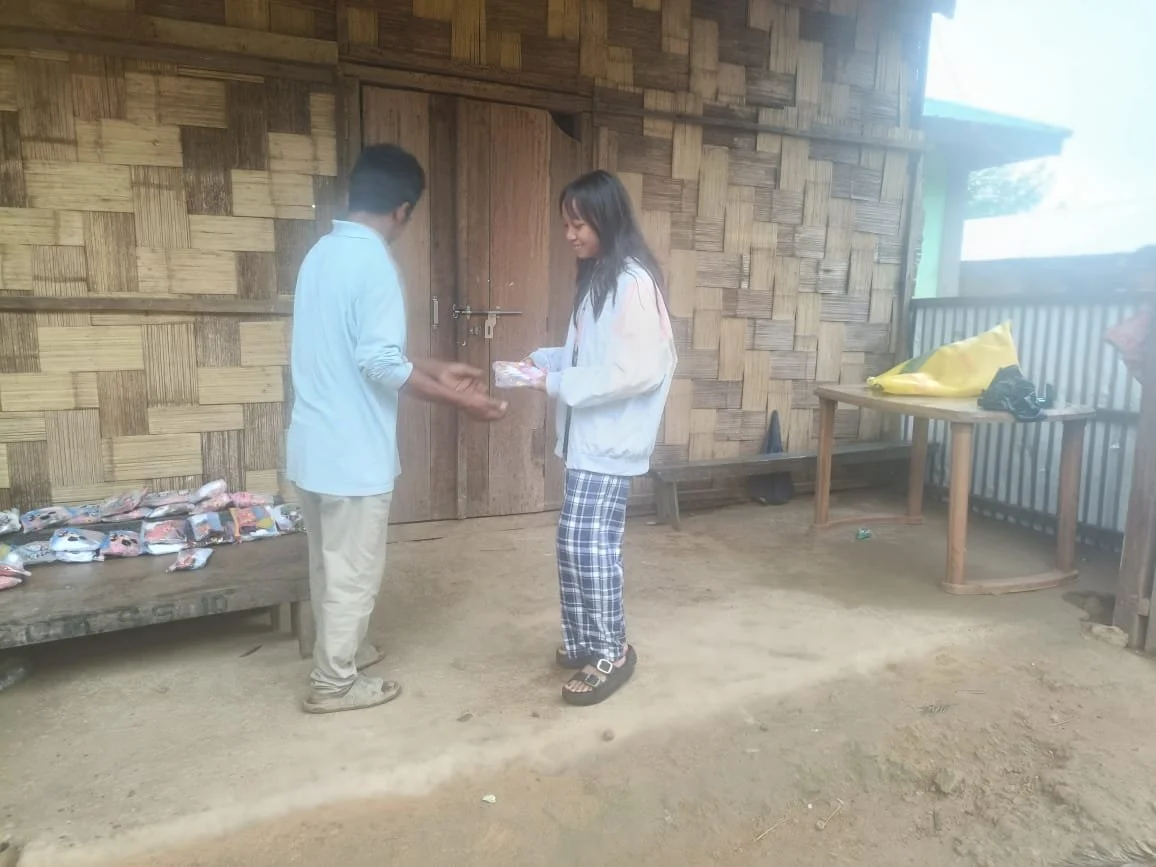
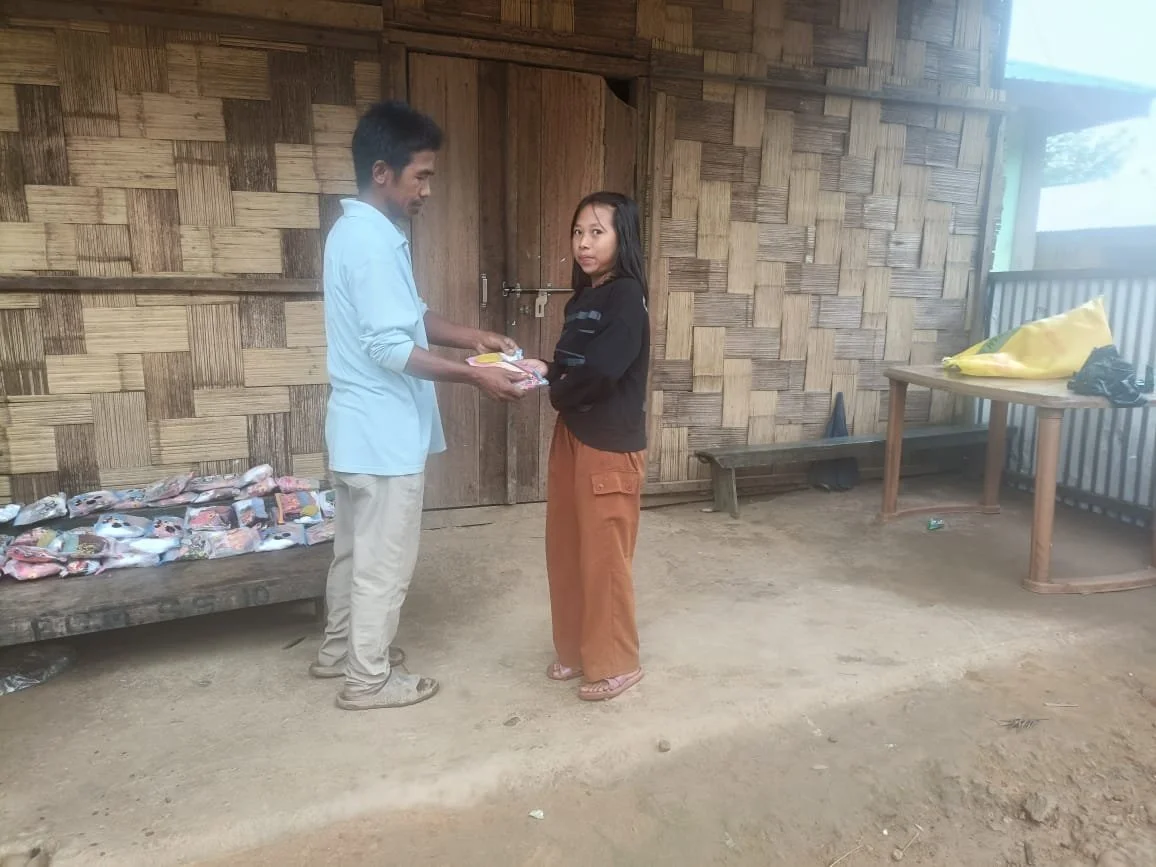
Each hygiene kit was thoughtfully prepared with everyday necessities that many of us take for granted.
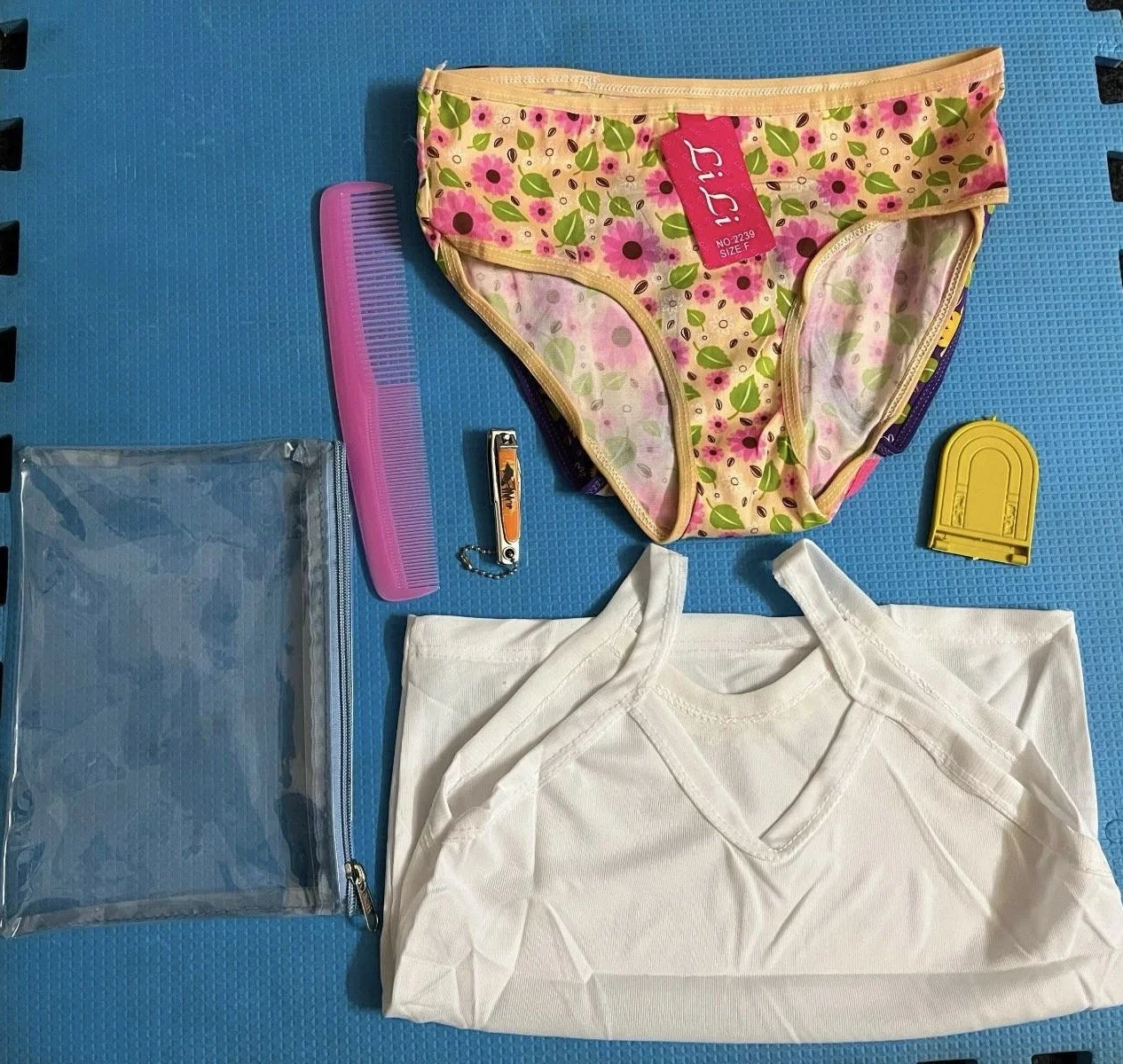
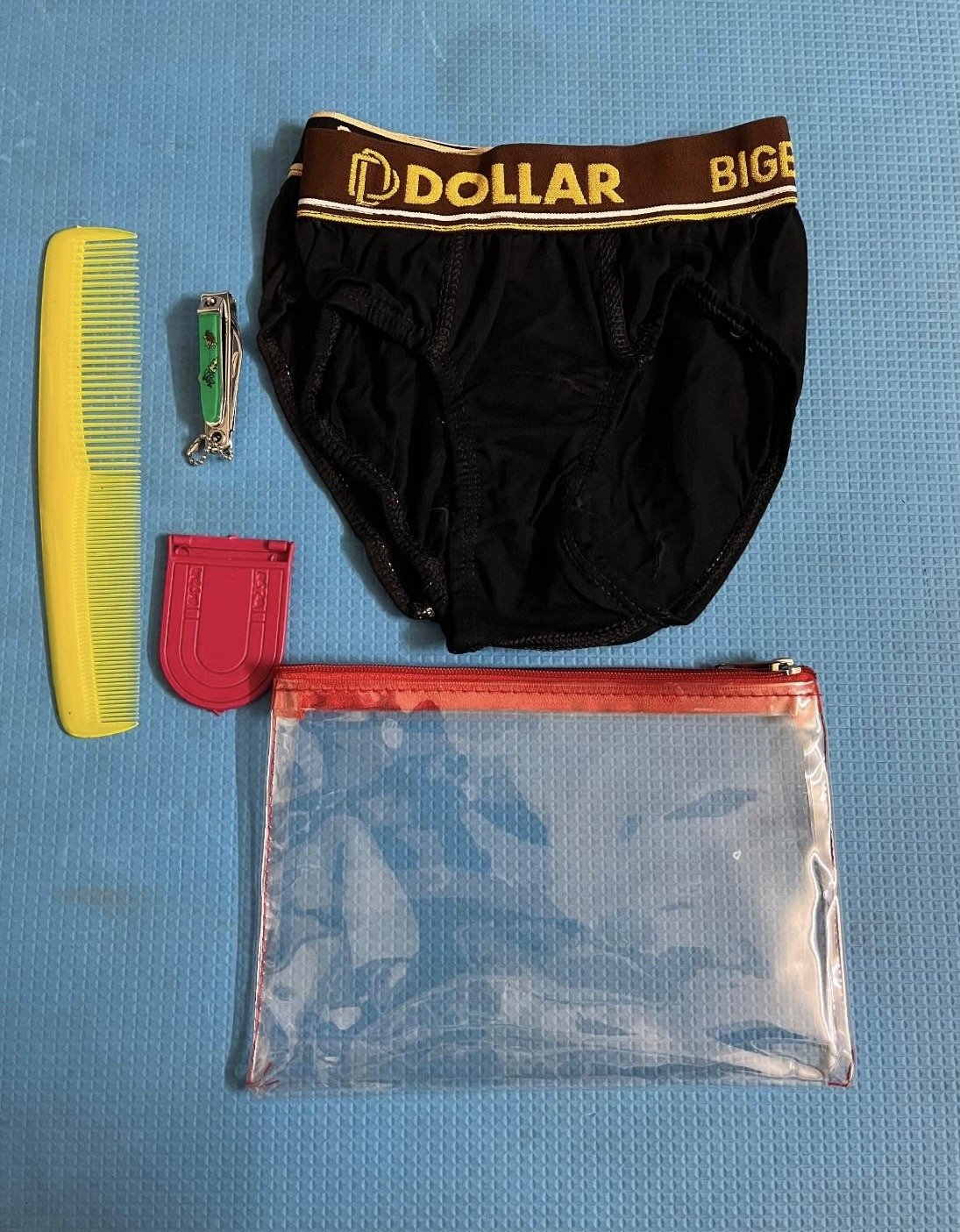
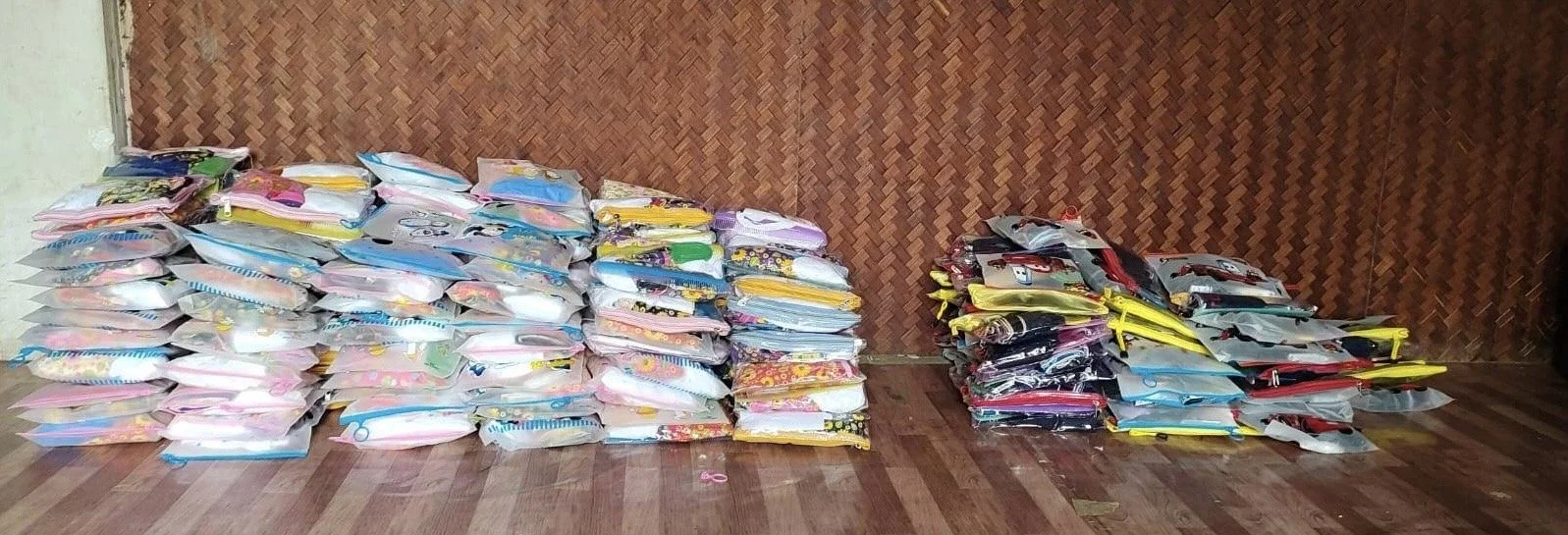
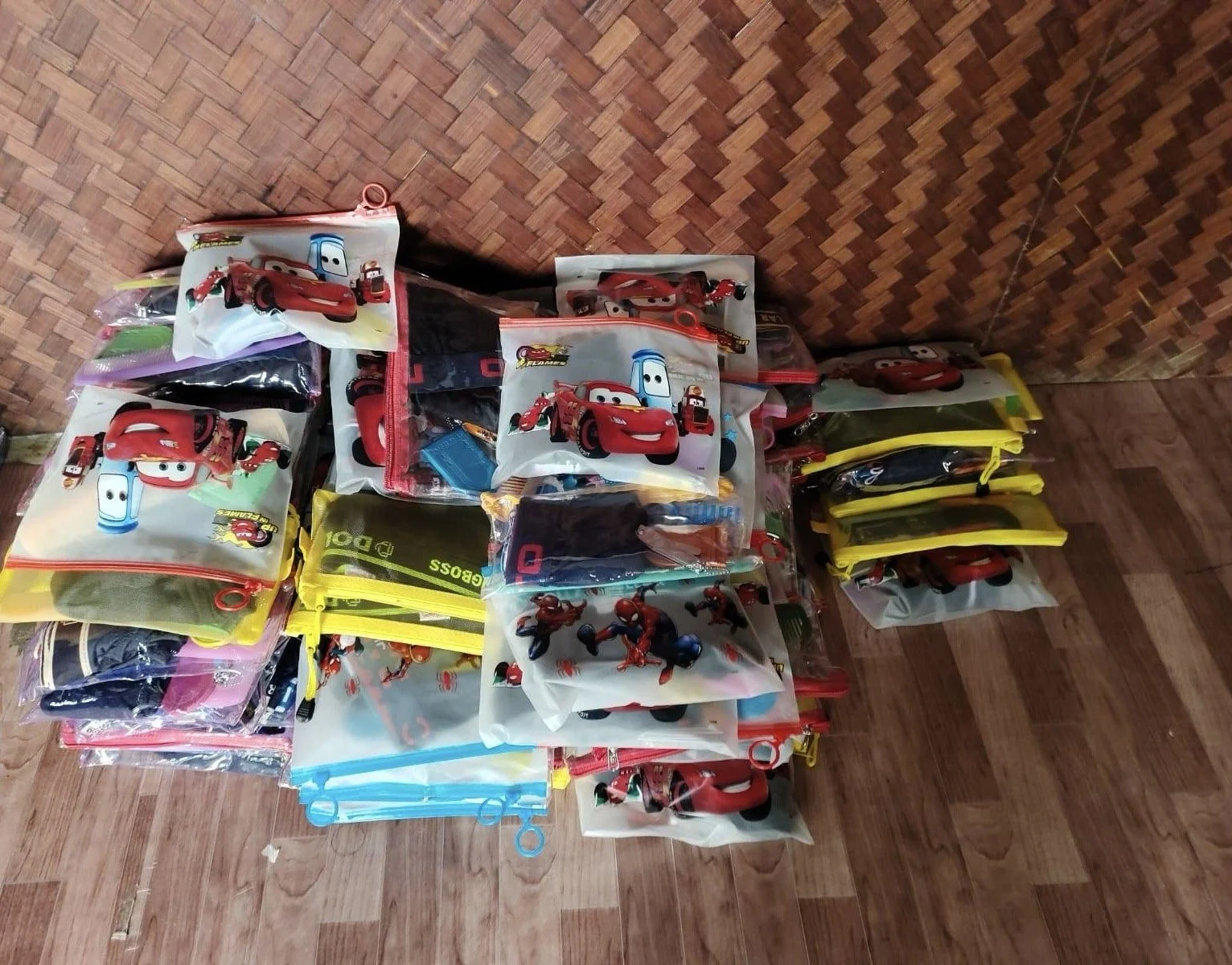
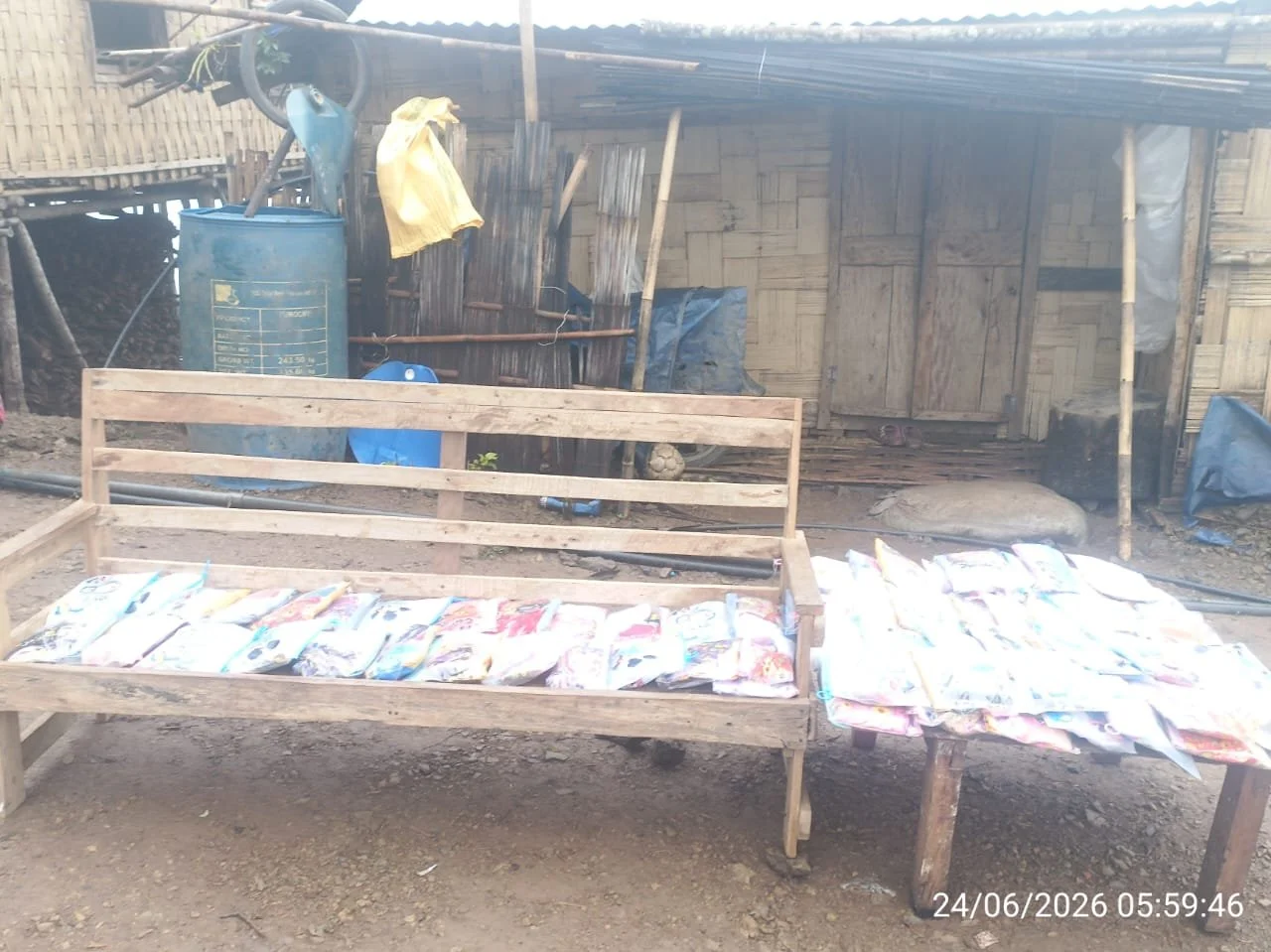
Girls received underwear, a vest, a comb, a handheld mirror, a nail clipper, and a personal pouch to safely keep their belongings. Boys received their own set of underwear, a comb, mirror, nail clipper, and personal pouch. Every kit was individually packed to preserve privacy and respect for each recipient.
While the contents were simple, the impact reached far beyond the physical items.
For adolescents navigating the challenges of displacement, these kits represent independence, self-respect, and the ability to care for themselves despite difficult circumstances.
Alongside the distributions, local volunteers and community leaders also facilitated hygiene awareness sessions, helping young people learn healthy practices for personal cleanliness, caring for clothing, nail and hair hygiene, and safely storing their personal items.
One refugee community representative reflected on how meaningful the project has become for families.
During the first phase, many parents saw positive changes in the girls who received hygiene kits. Having personal belongings of their own gave them greater confidence, a stronger sense of privacy, and improved emotional wellbeing.
When Phase 2 returned, families were overjoyed, not only because girls who had missed the first distribution were finally included, but because boys also received support for the very first time.
Some parents were moved to tears.
As one community leader shared, the project is about much more than hygiene items. It reminds children that they are seen, remembered, and valued, even while living far from home as refugees.
Across the refugee camps of Laki, Zyhno, Lopu, and Khaikhy, the project reached:
300 adolescents between the ages of 11 and 15
200 girls and 100 boys
Four refugee communities in Siaha District, Mizoram
By easing the financial burden on families and promoting healthy hygiene practices, the project strengthened both physical wellbeing and emotional resilience among refugee youth.
Conflict has forced countless children to grow up in uncertainty, but even in the most difficult circumstances, dignity should never be a luxury.
Something as simple as a comb, a mirror, or a clean set of clothing can help restore confidence, foster healthy habits, and remind a young person that their future still matters.
Thanks to the generosity of compassionate supporters, 300 refugee adolescents now carry a renewed sense of confidence, hope, and belonging.
Together, we continue to stand with displaced communities, ensuring that even the smallest acts of kindness can help build a more dignified future.