
The Road to Better Health
For many families living in conflict-affected areas of Thai-Myanmar border, seeing a healthcare worker isn't as simple as visiting the nearest clinic. Long distances, ongoing insecurity, and limited medical facilities often leave communities with few options when illness strikes.
That's why mobile medical outreach remains an essential lifeline.
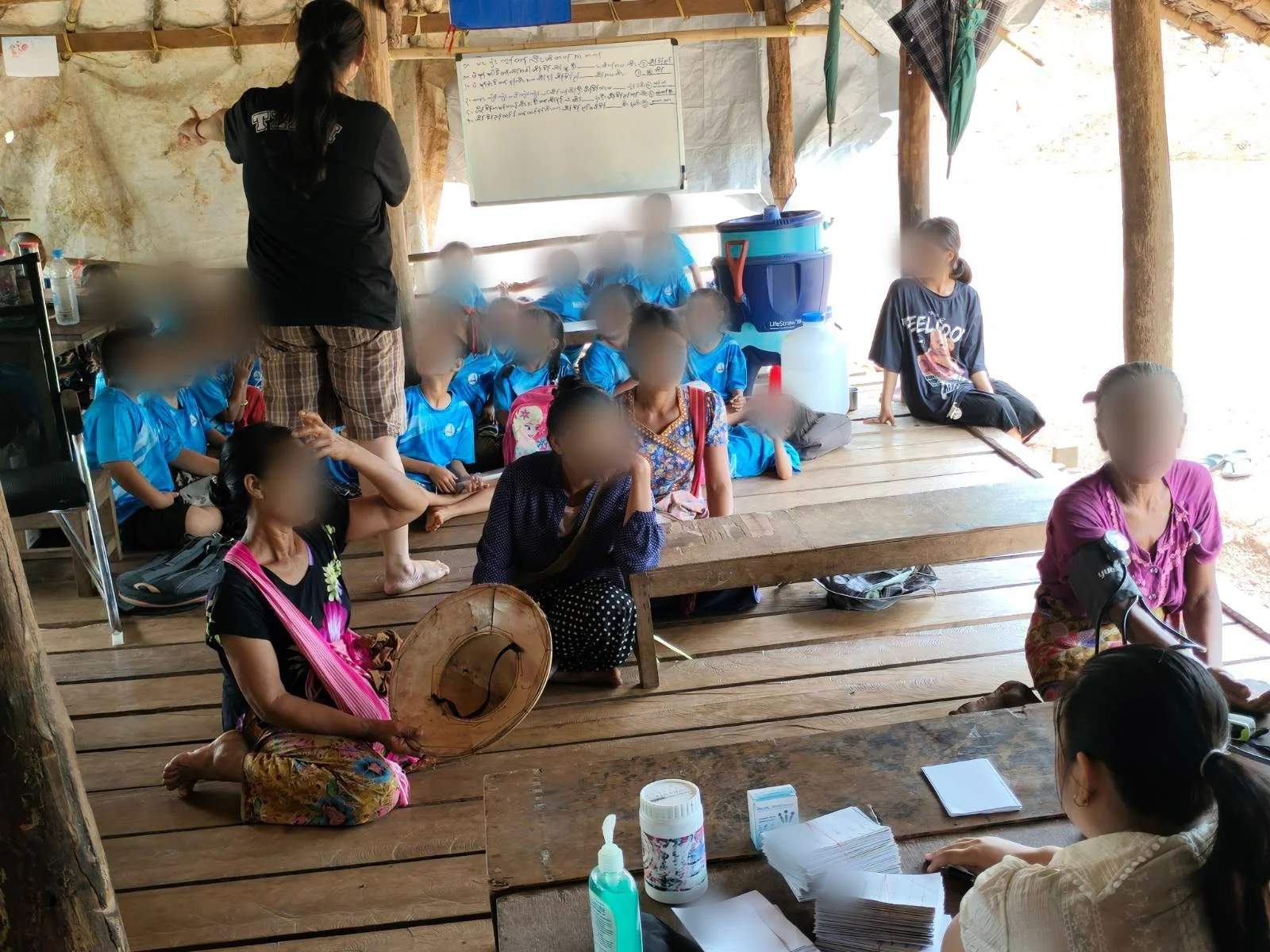
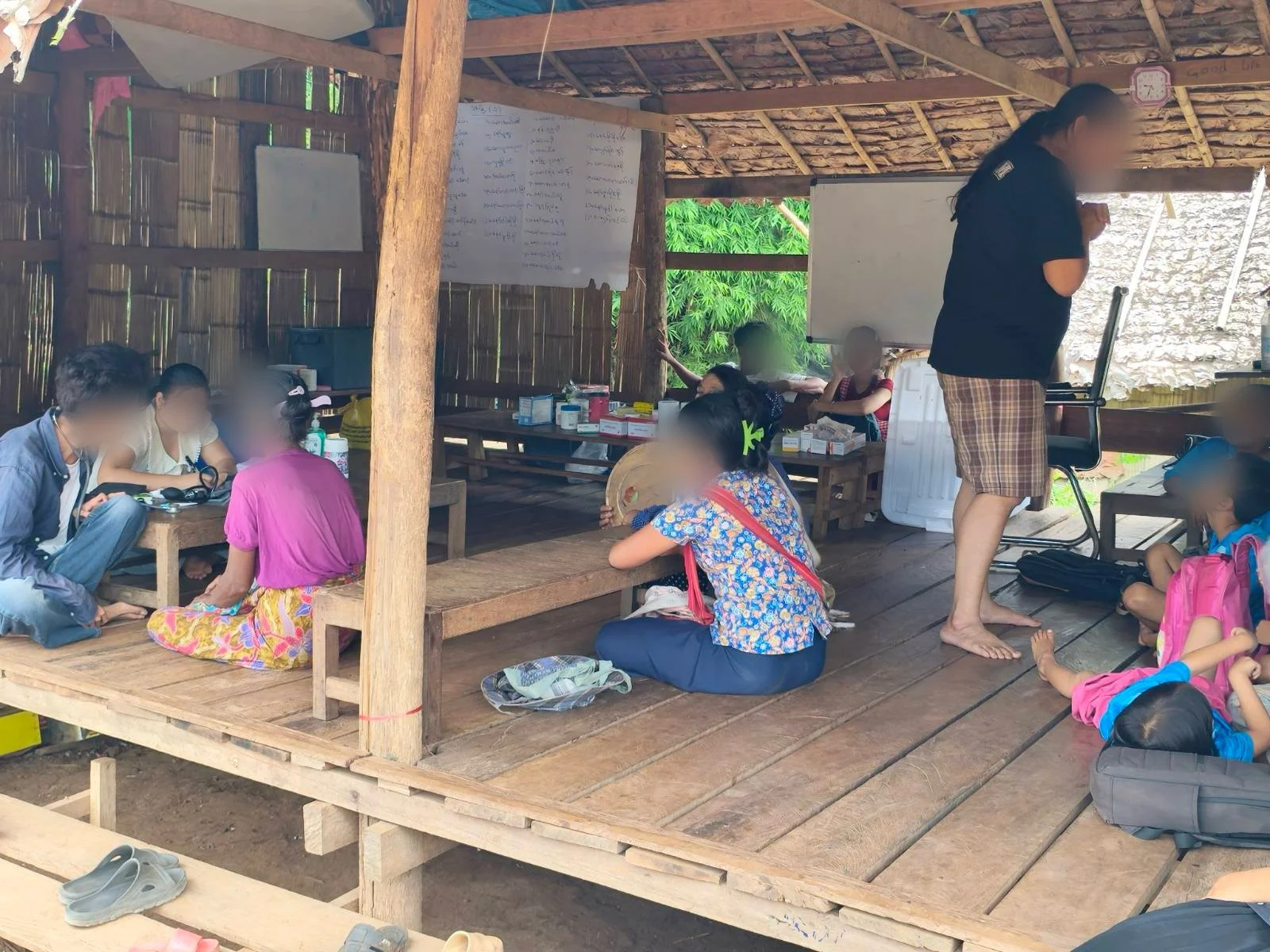
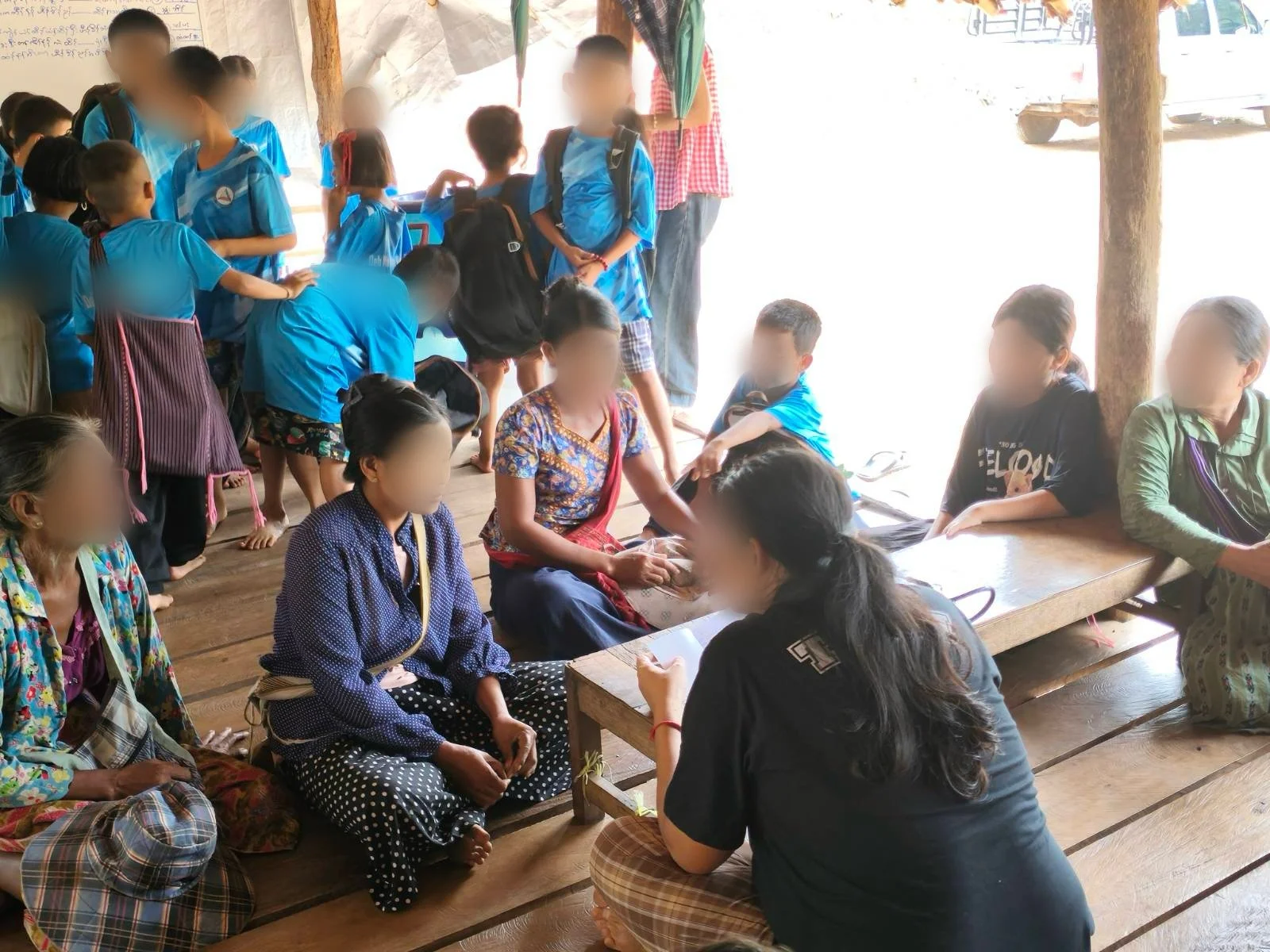
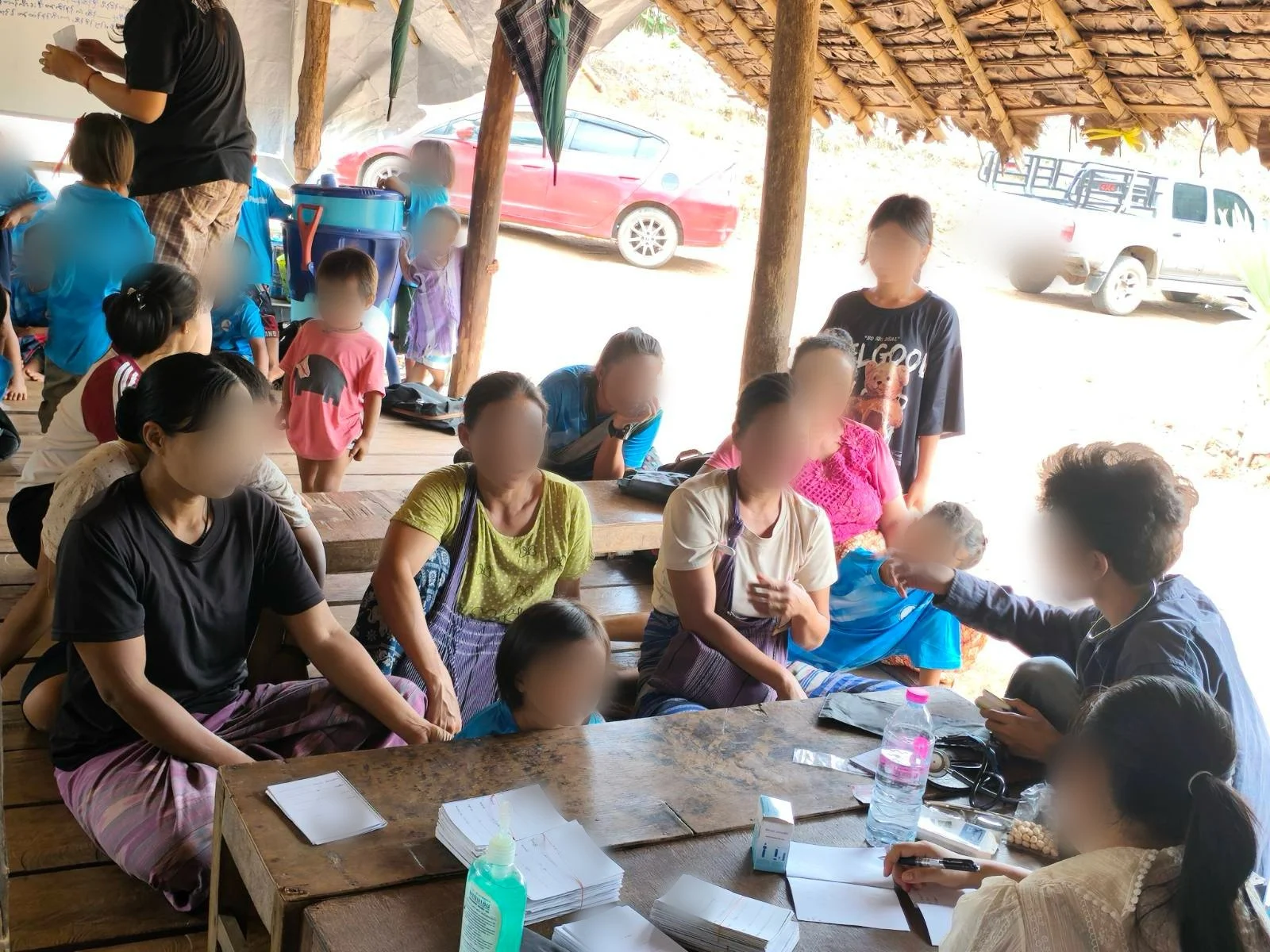
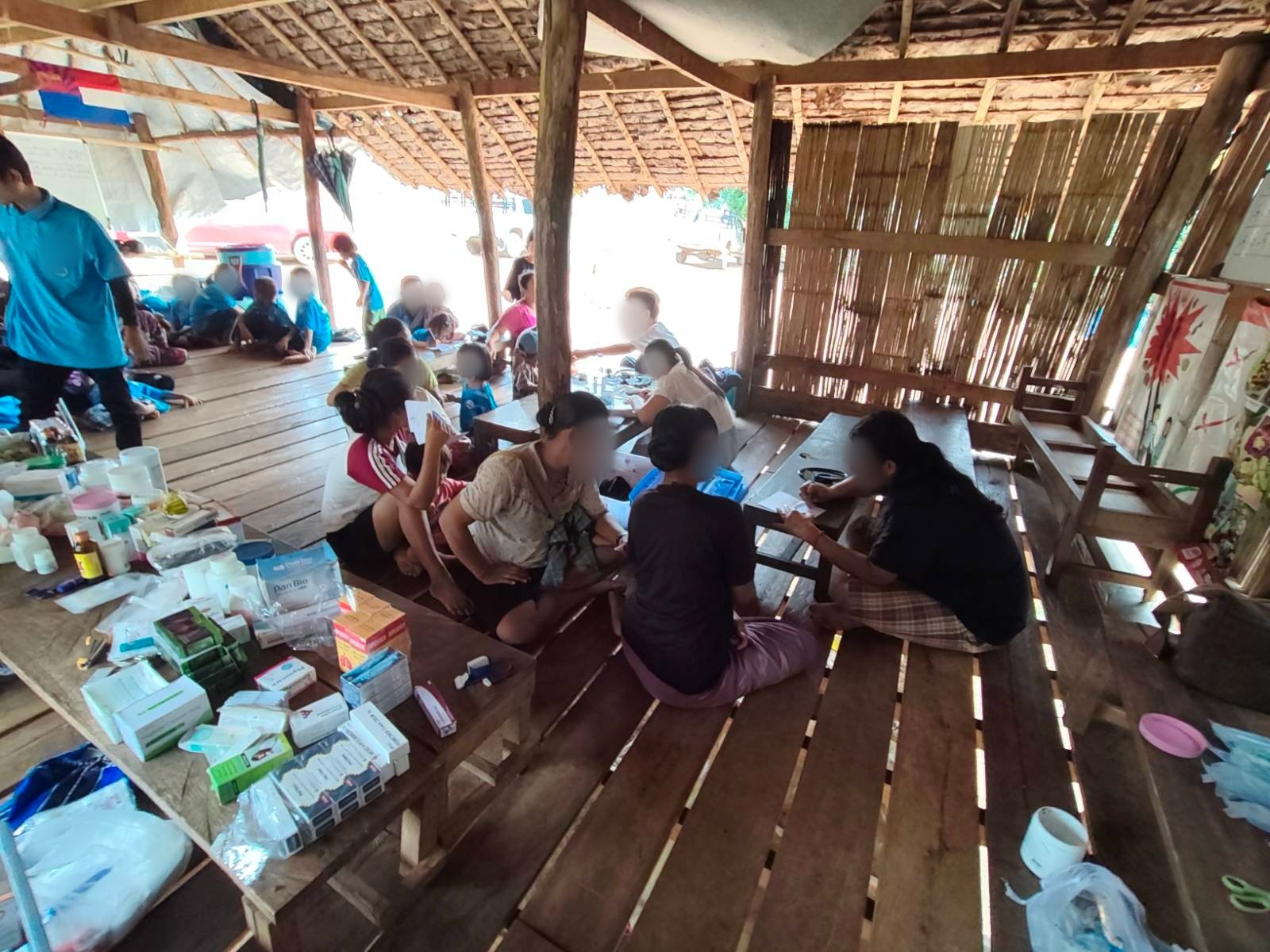
On June 26, our partner medical team traveled to a village in KNU Brigade 6 territory to provide healthcare directly to those who needed it most. Rather than asking patients to travel, often an impossible journey, the team brought medical care to their community.
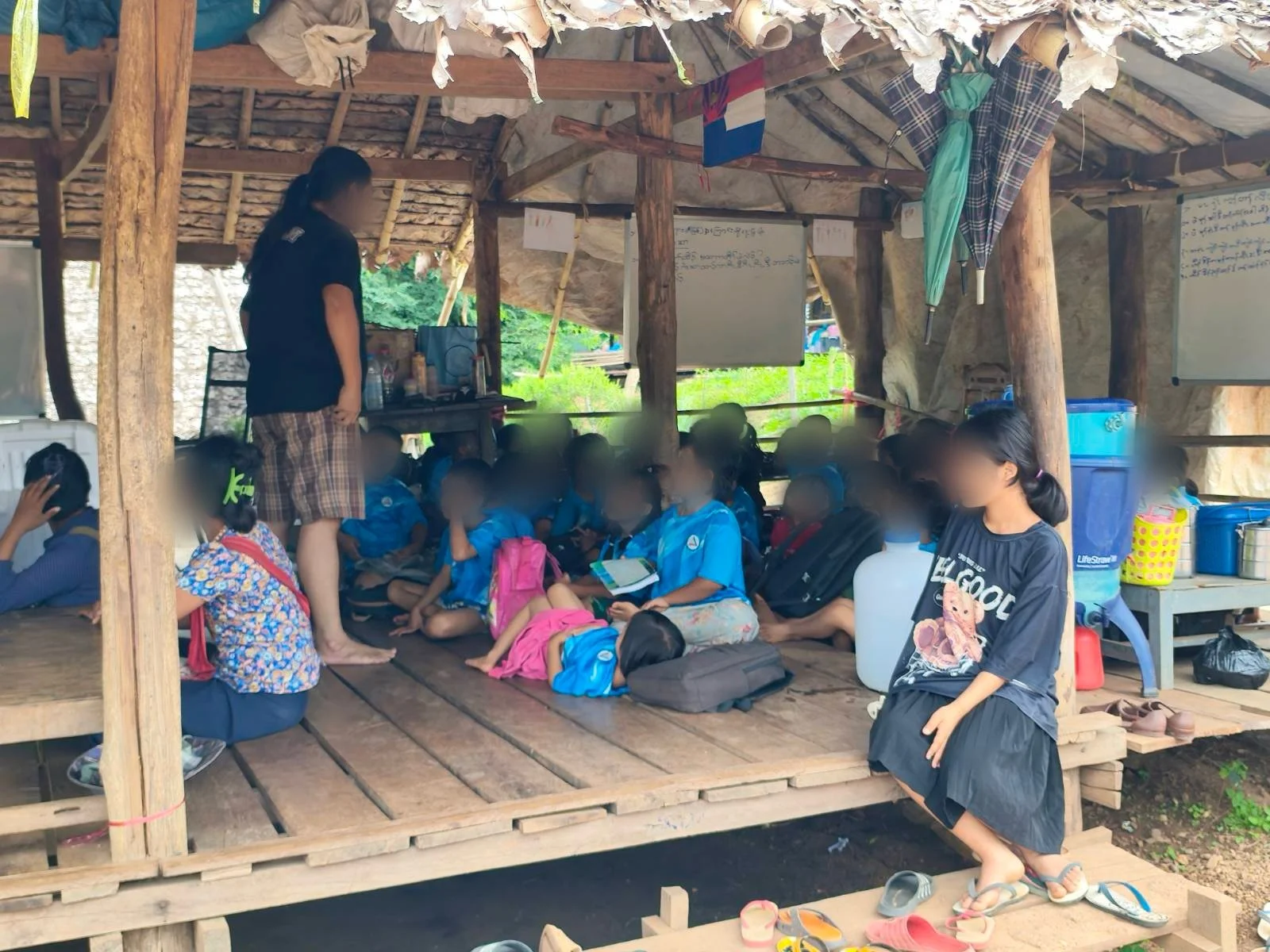
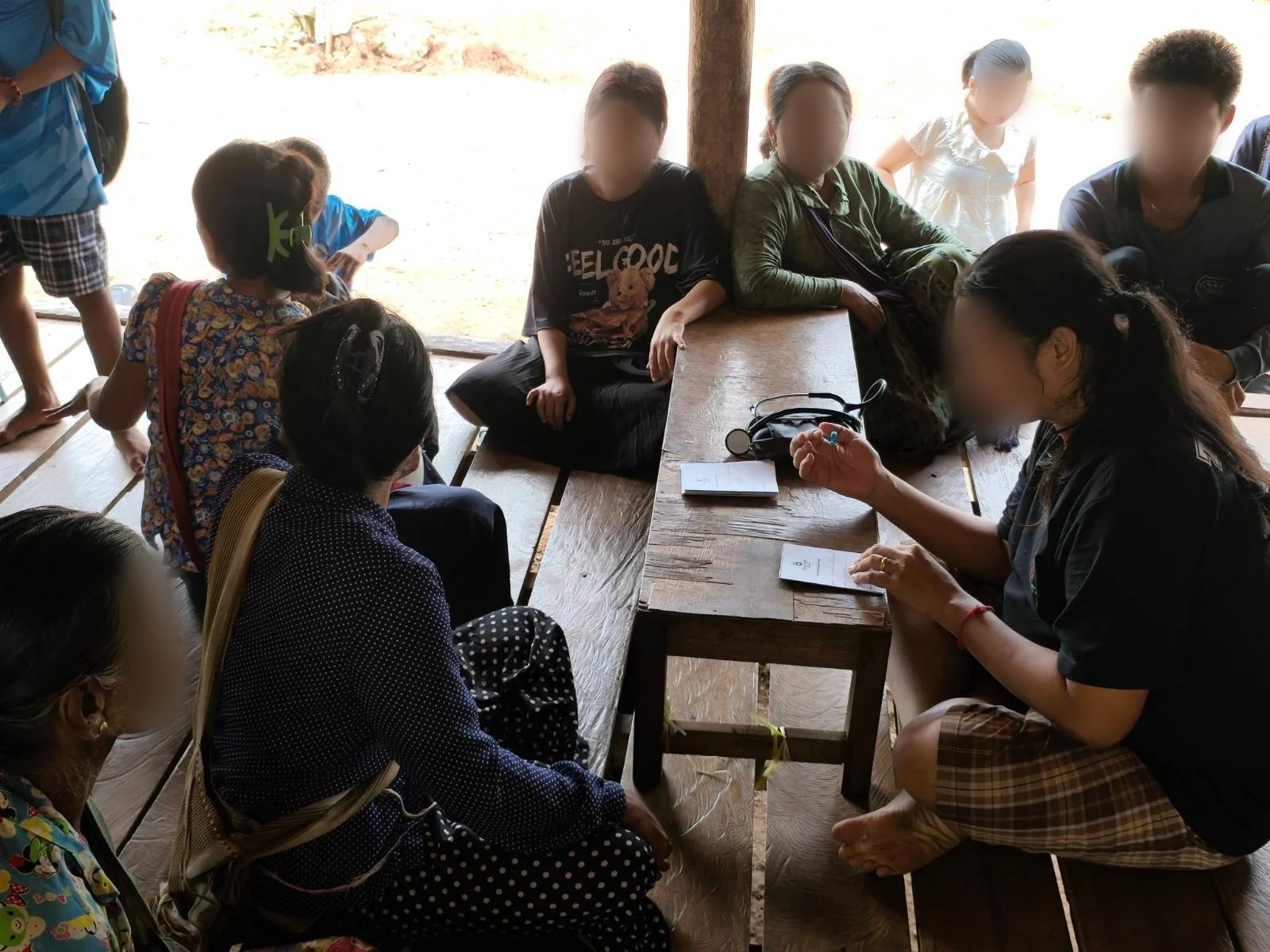
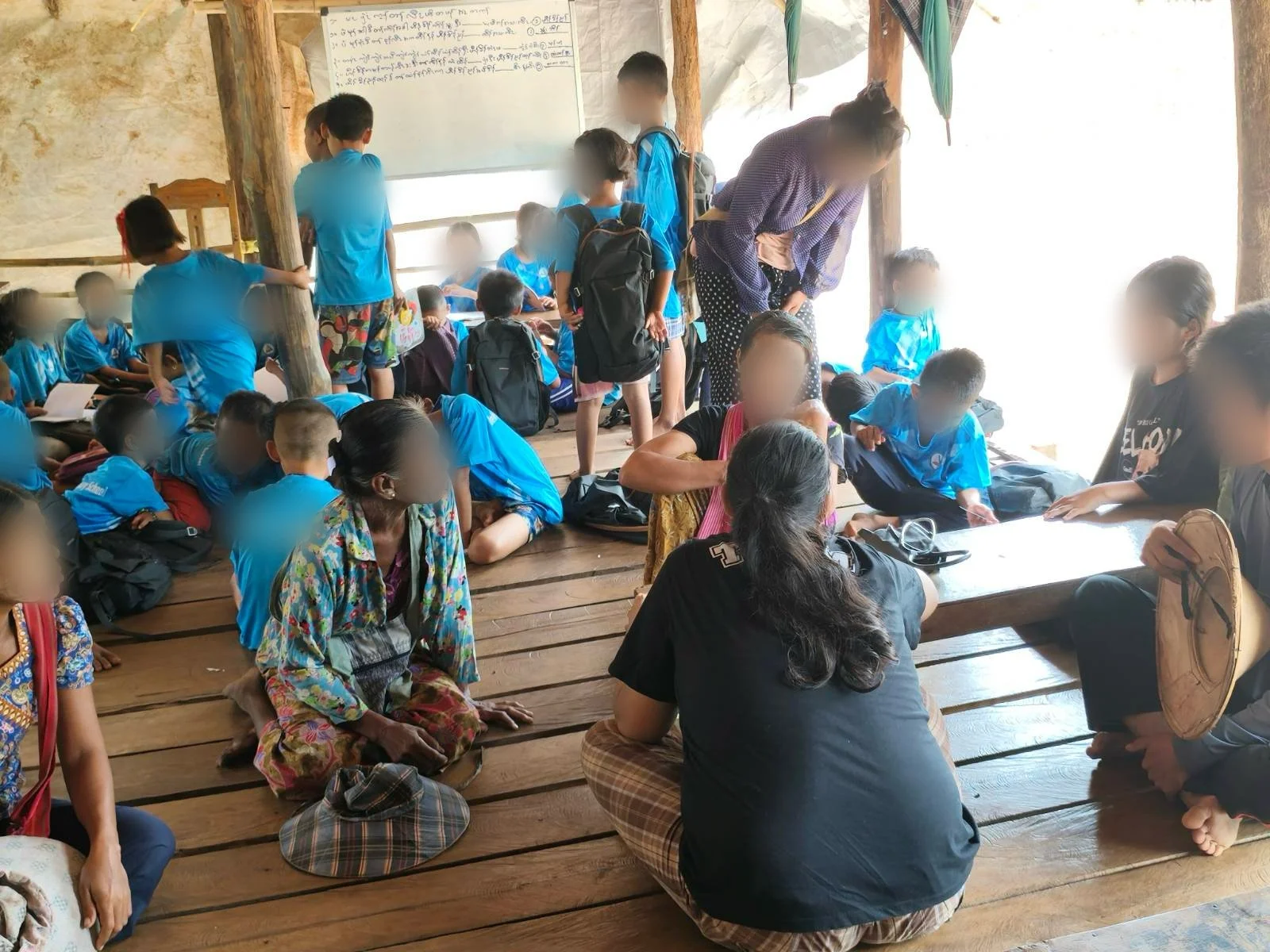
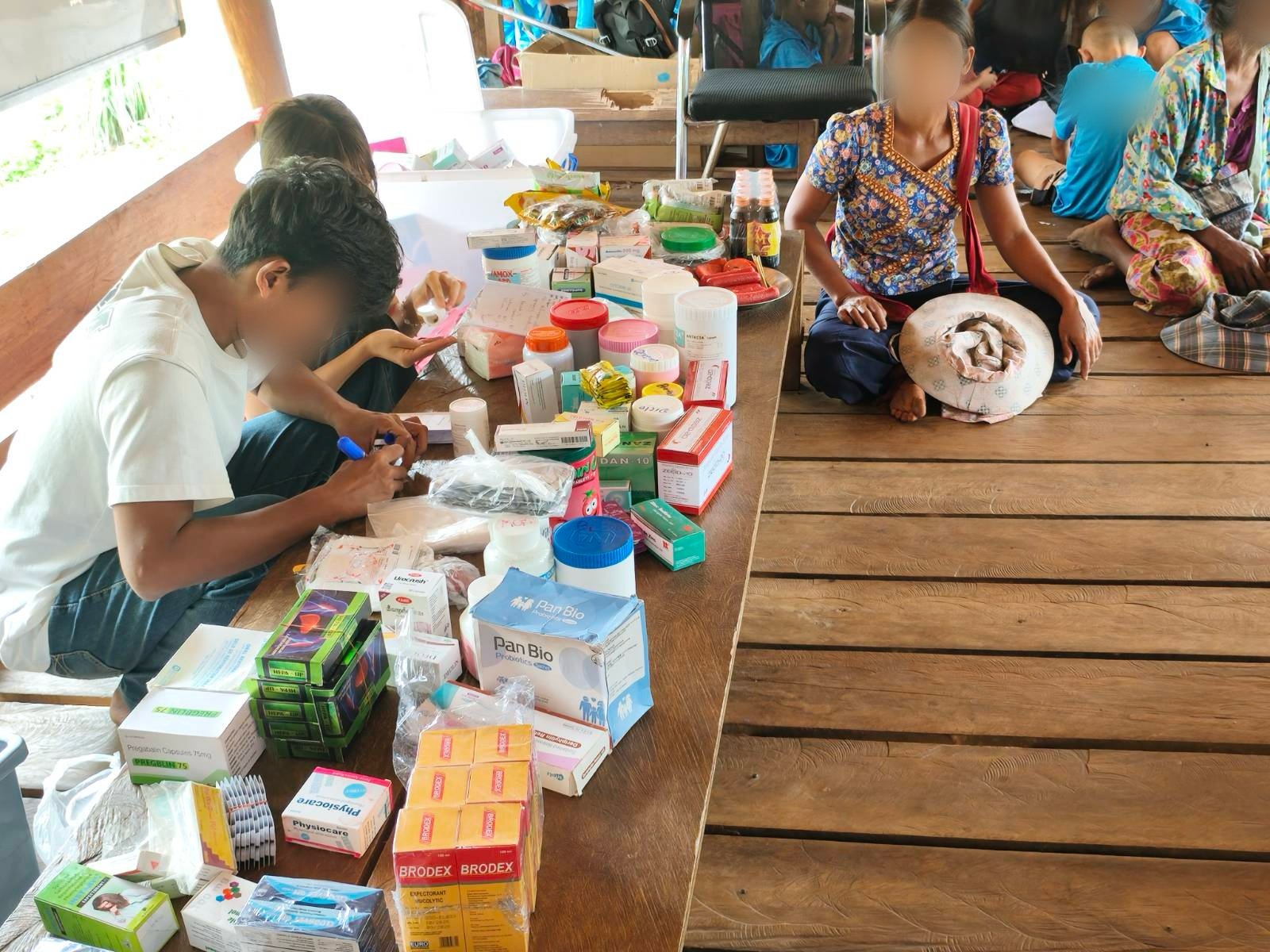
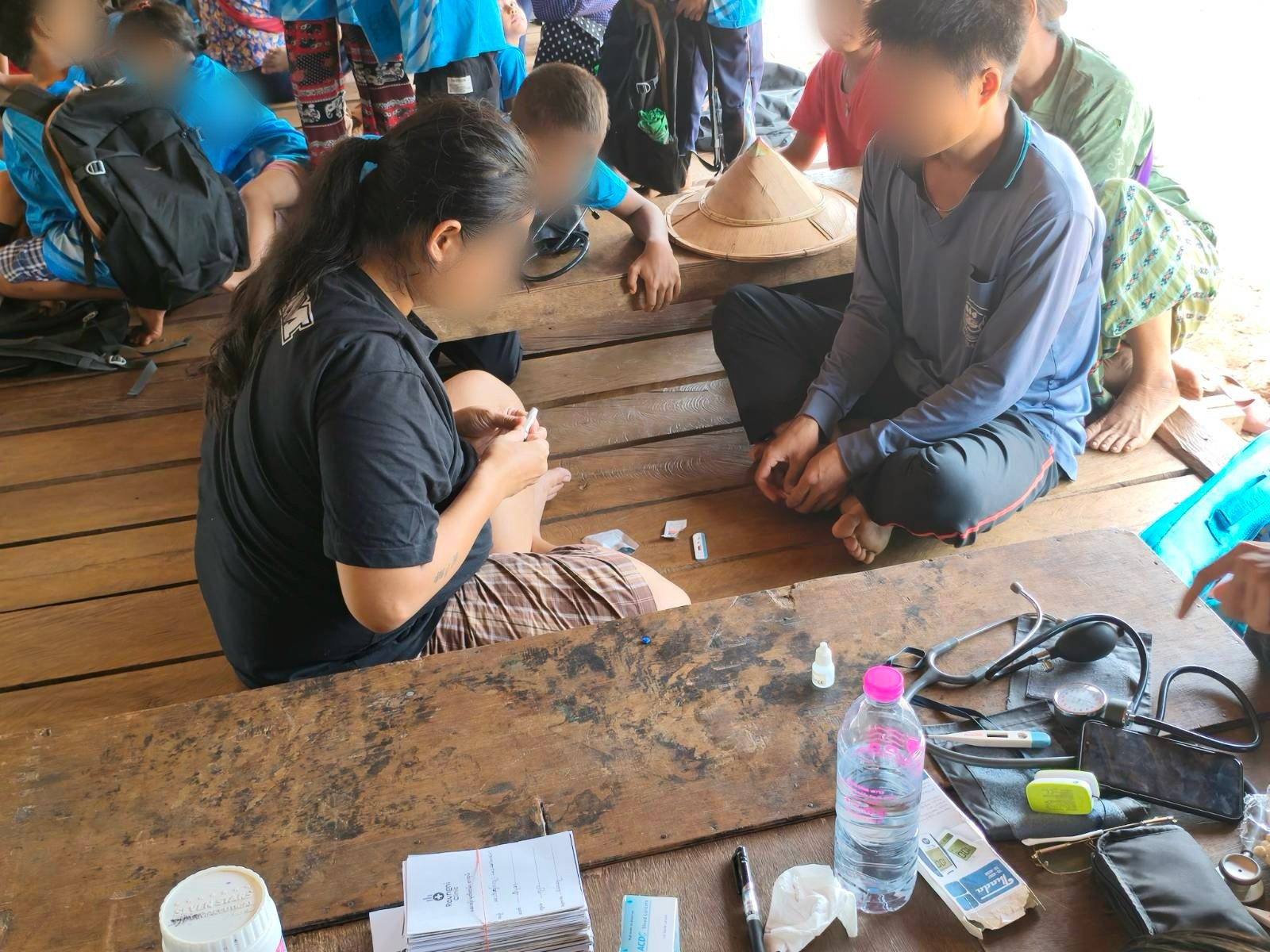
Throughout the day, villagers gathered at a simple community space, where patients waited patiently to be seen. Mothers sat with young children, older residents sought treatment for ongoing health concerns, and healthcare workers moved from one consultation to the next, offering examinations, medications, and advice.
By the end of the outreach, 18 patients had received care, including 15 women, 3 men, and 4 children under the age of 15.
Each patient represents someone who may otherwise have gone without medical attention. In remote communities where access to healthcare is limited, even routine illnesses can become serious when left untreated.
Beyond treating immediate health concerns, these visits also build trust. Families know that someone is willing to travel difficult roads to reach them, bringing not only medicine but reassurance that there is help.
The need for mobile healthcare continues across many conflict-affected areas of Myanmar. As displacement and instability persist, access to basic medical services remains one of the greatest challenges facing vulnerable communities.
Every outreach is a reminder that healthcare should not depend on where someone lives. By supporting local medical teams already serving these communities, we can help ensure that essential care reaches people where they are.
Please continue supporting our Mobile Clinic project so we can reach more underserved communities with essential healthcare. Together, we can help ensure that distance and conflict are not barriers to receiving medical care.