
Clinic on the Move
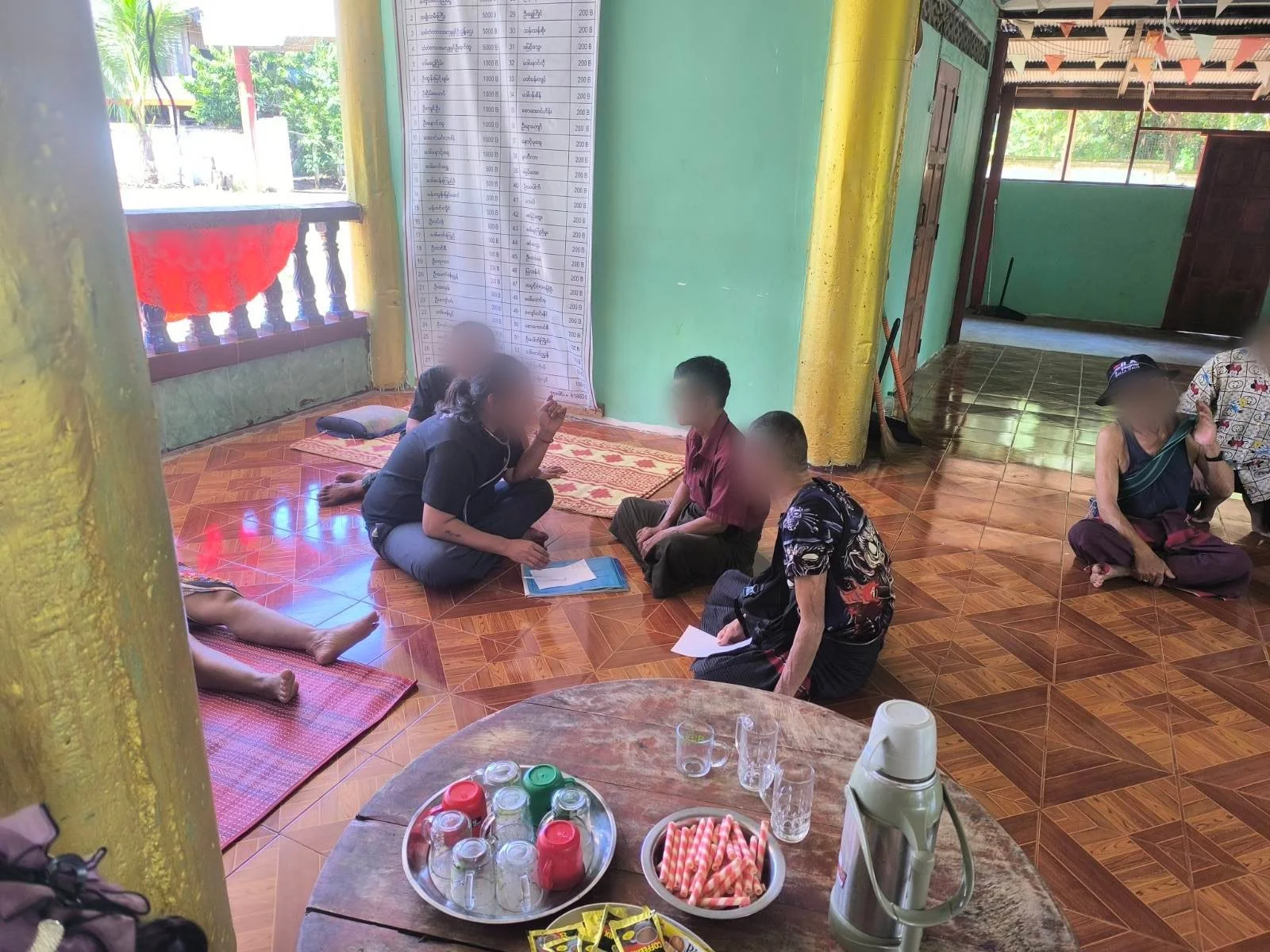
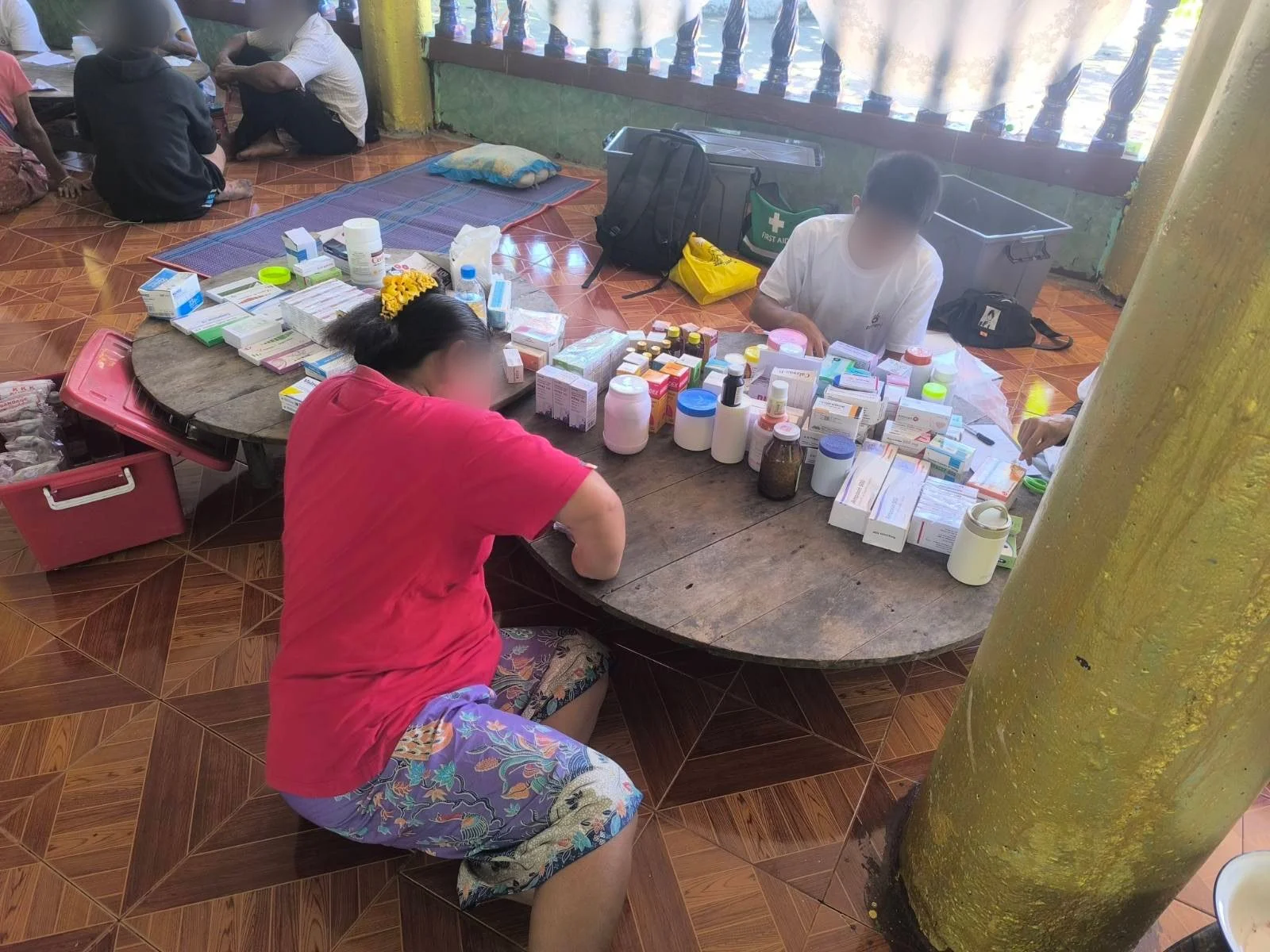
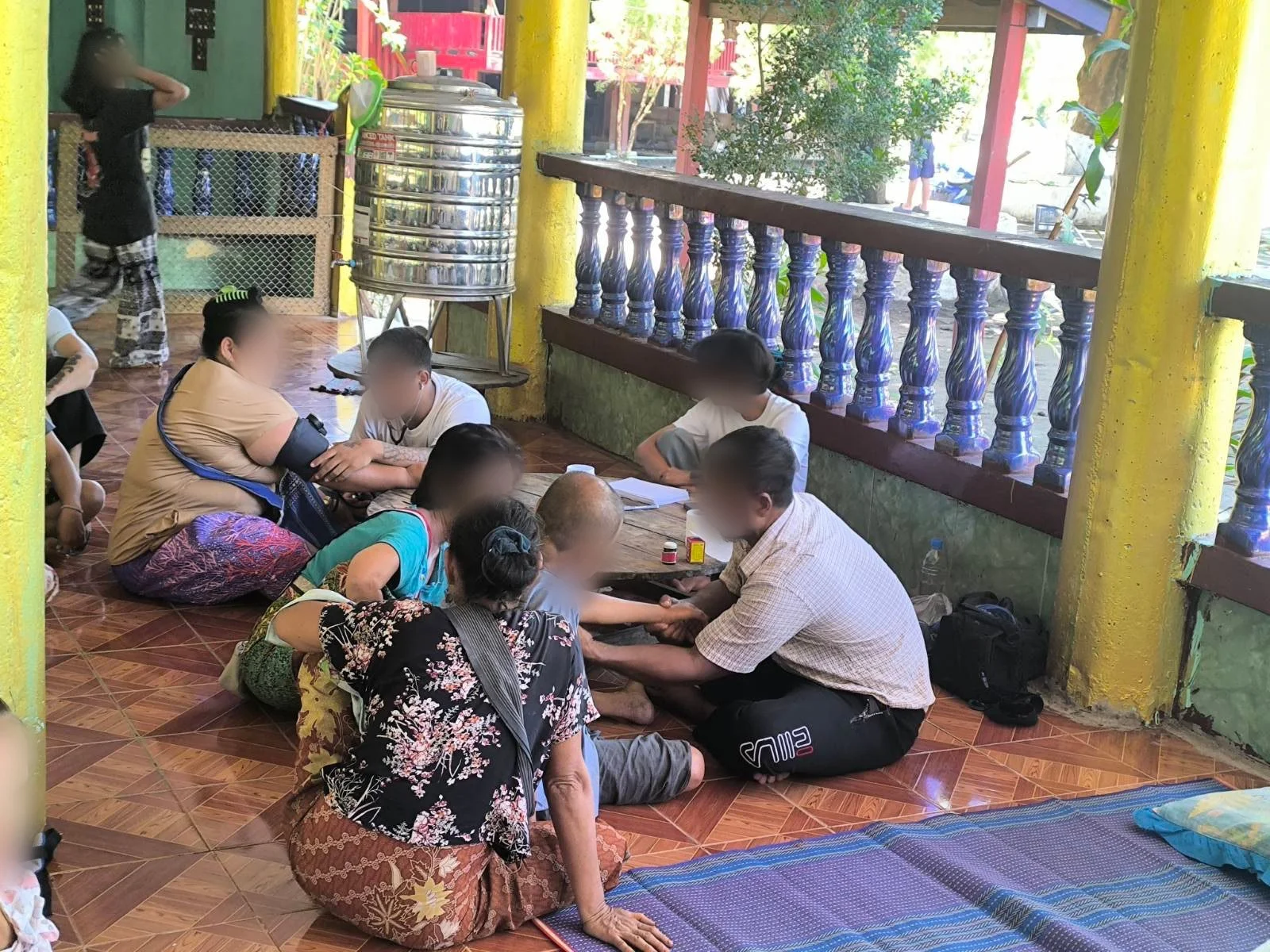
After weeks of uncertainty and travel restrictions, a local medical team we’ve been supporting was finally able to resume their mobile clinic trips on October 2025. These trips are a lifeline for communities scattered along the Thai–Myanmar border, where medical access has become increasingly difficult for both long-term residents and people displaced by conflict.
Across the border region, people are facing tighter movement controls, rising costs, and growing gaps in basic healthcare. For displaced families especially, reaching a hospital or permanent clinic can mean days of travel, paperwork, and expenses they simply don’t have.
That’s why mobile clinics matter: instead of asking patients to cross impossible distances, care comes to them quietly, consistently, and with trust built over time.
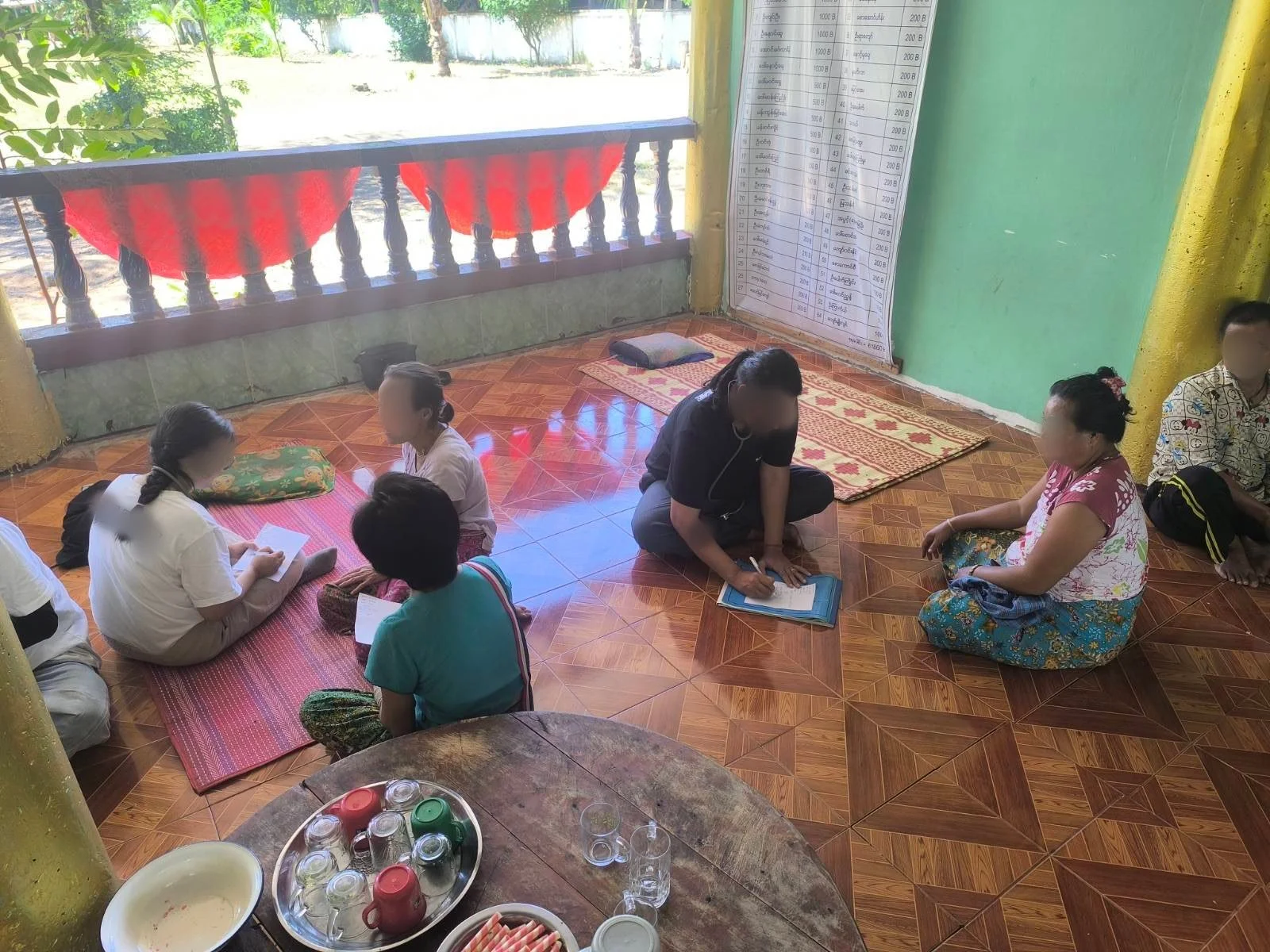
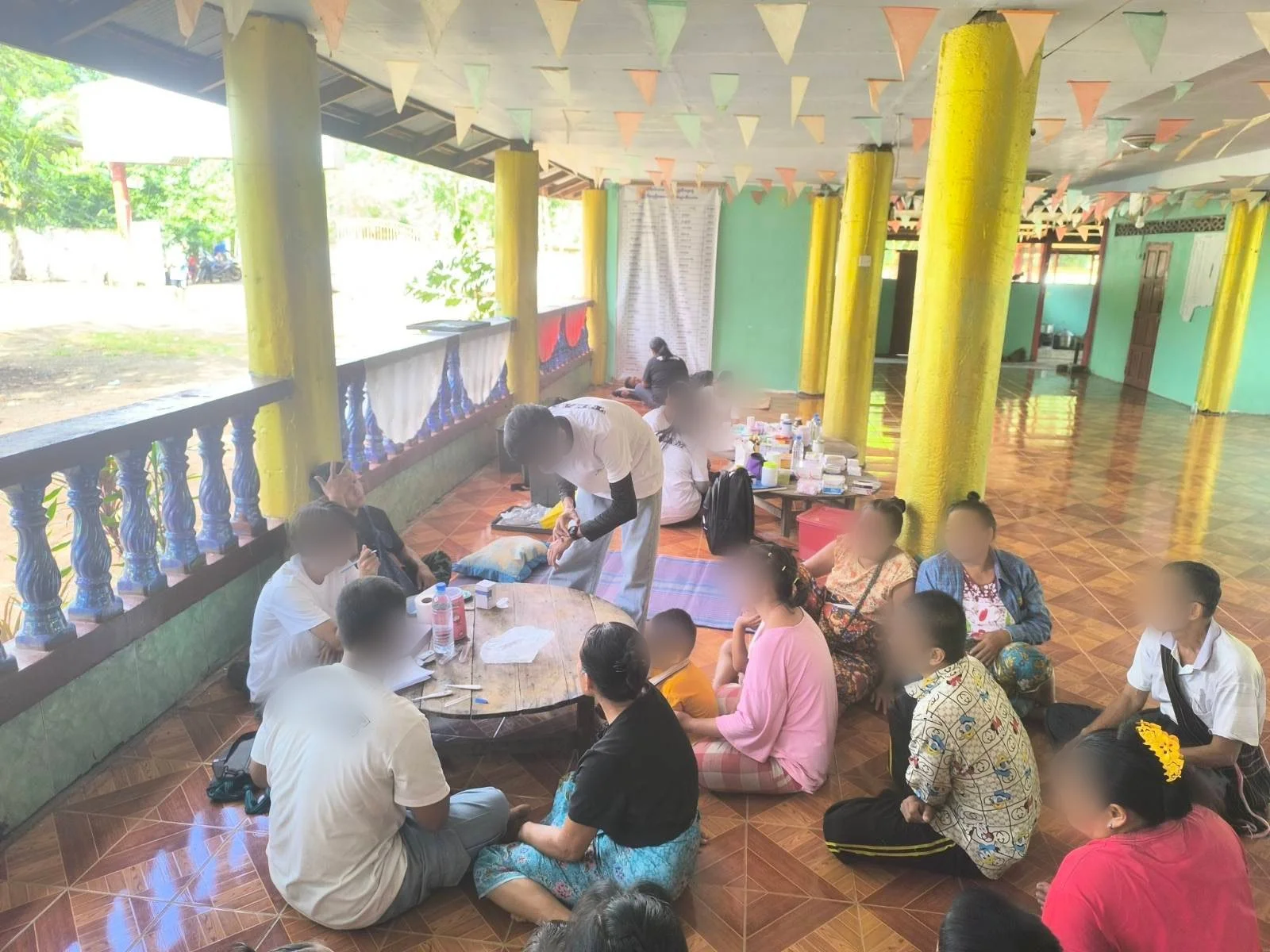
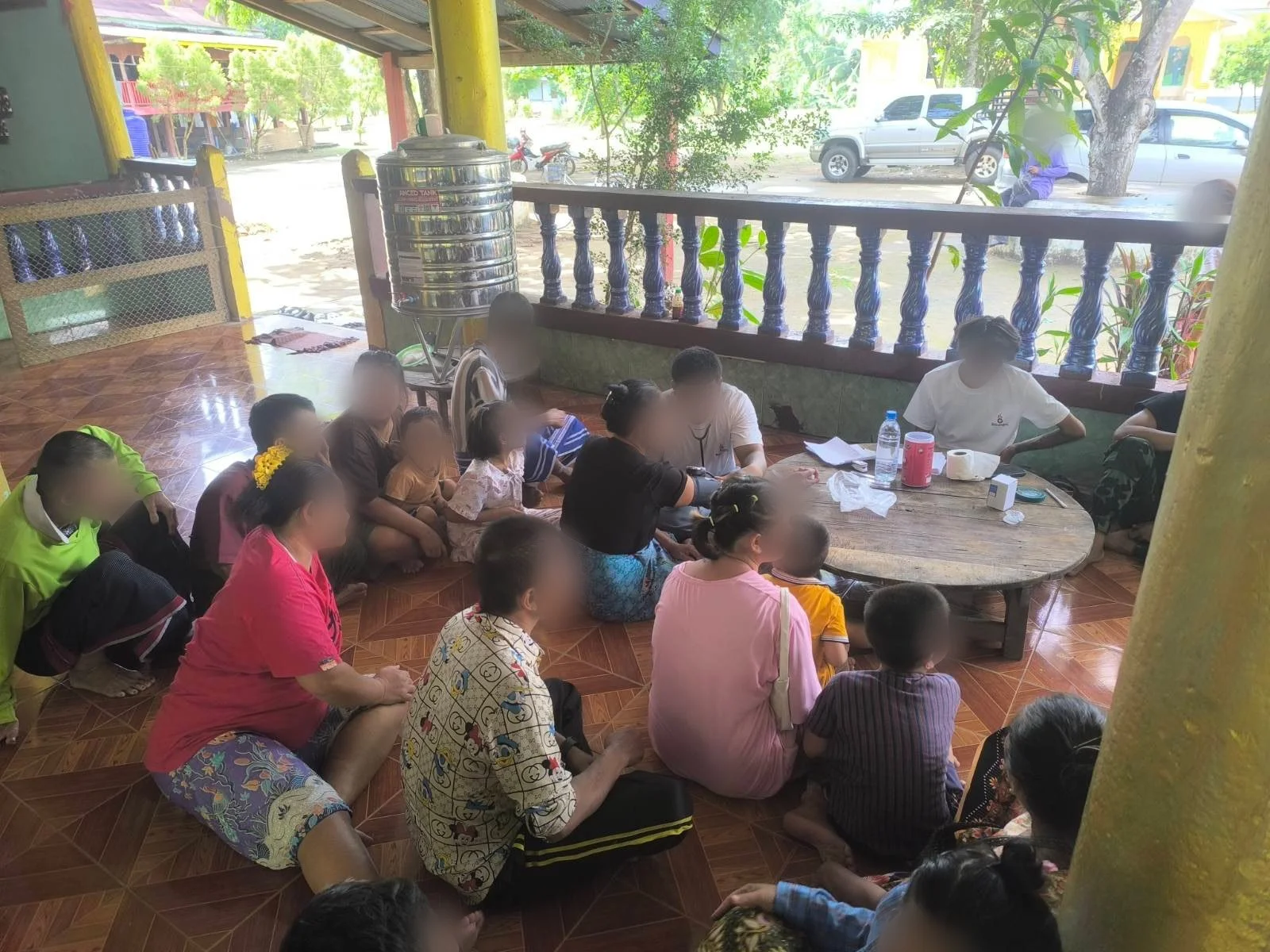
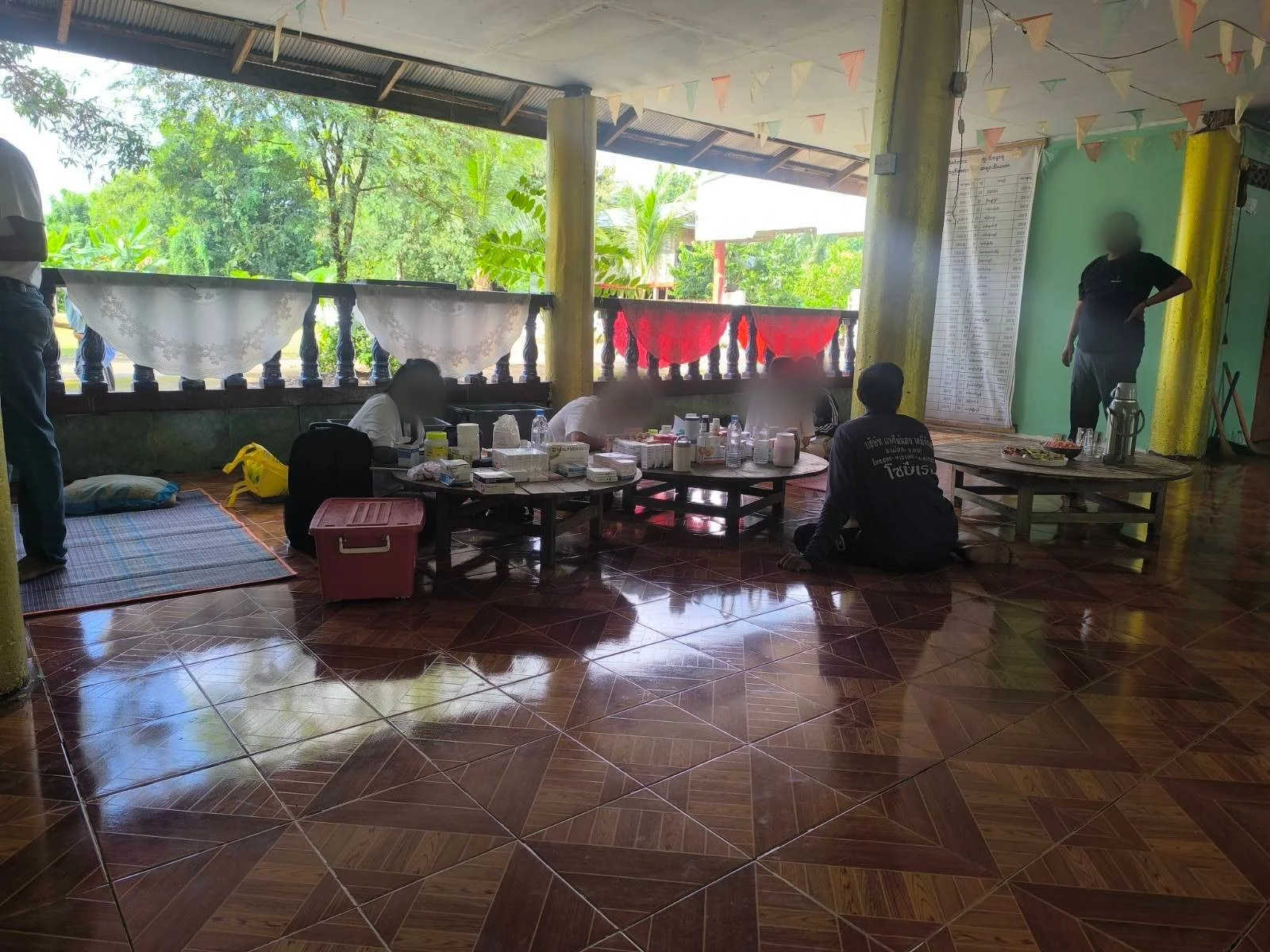
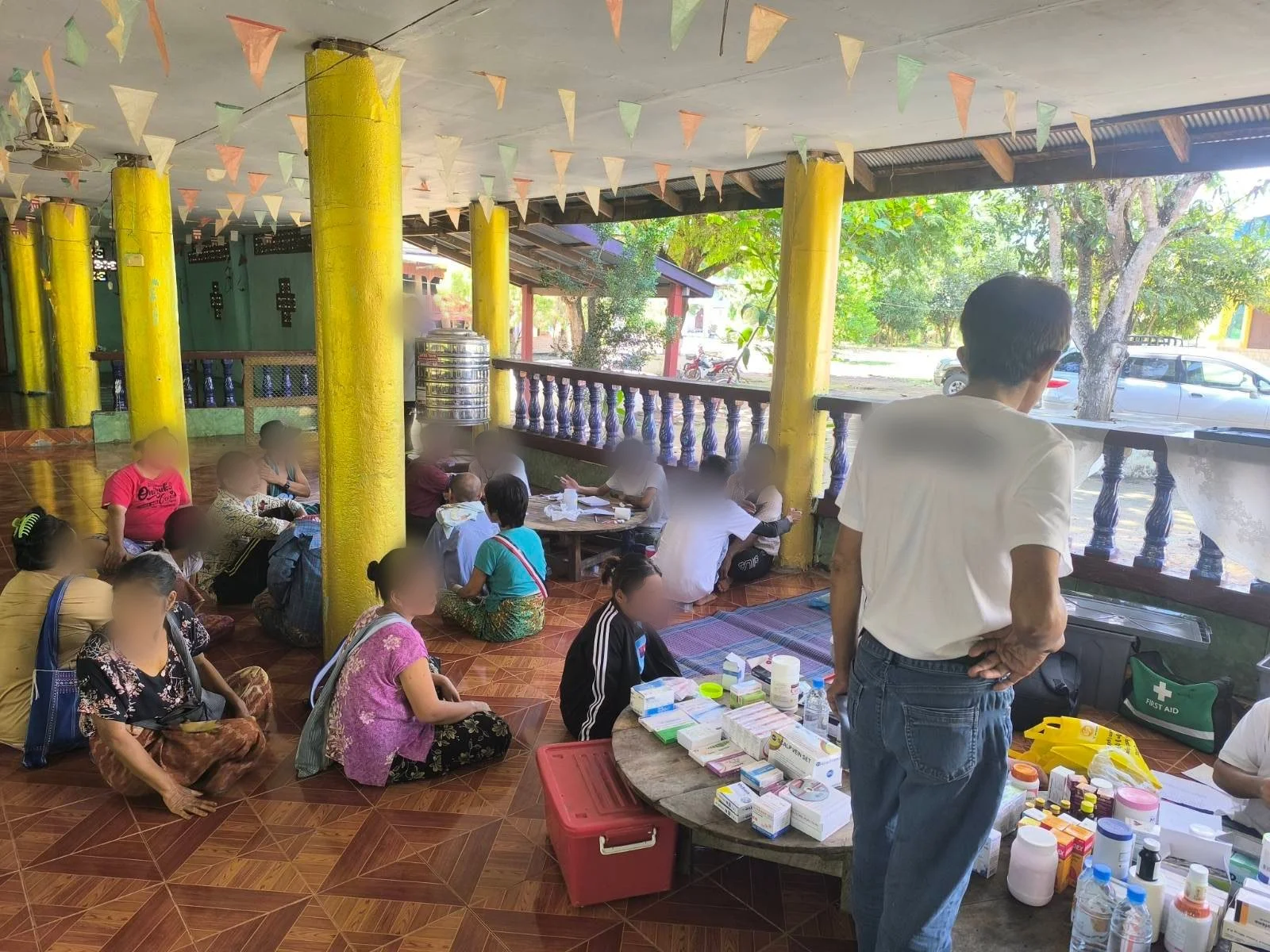
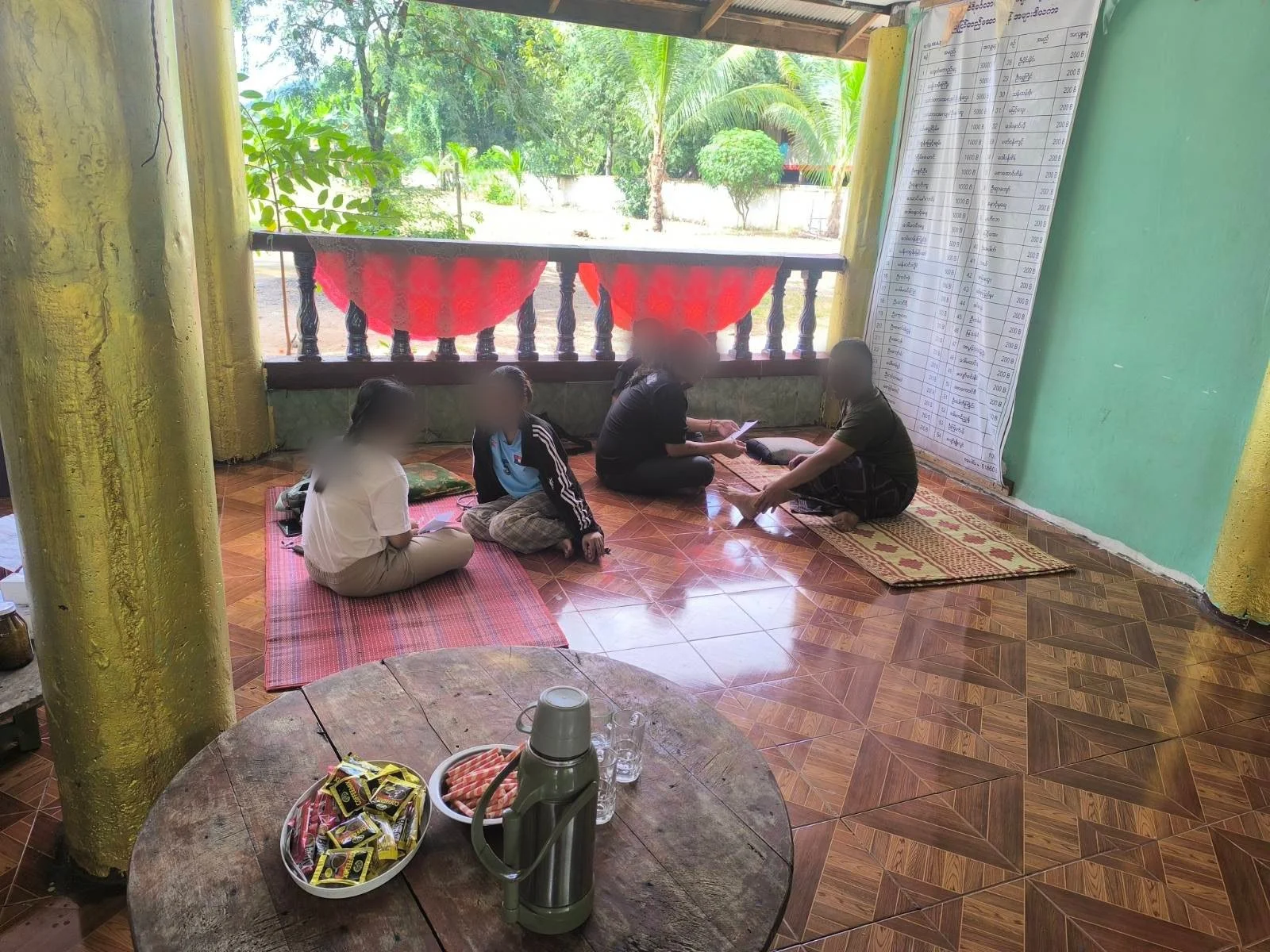
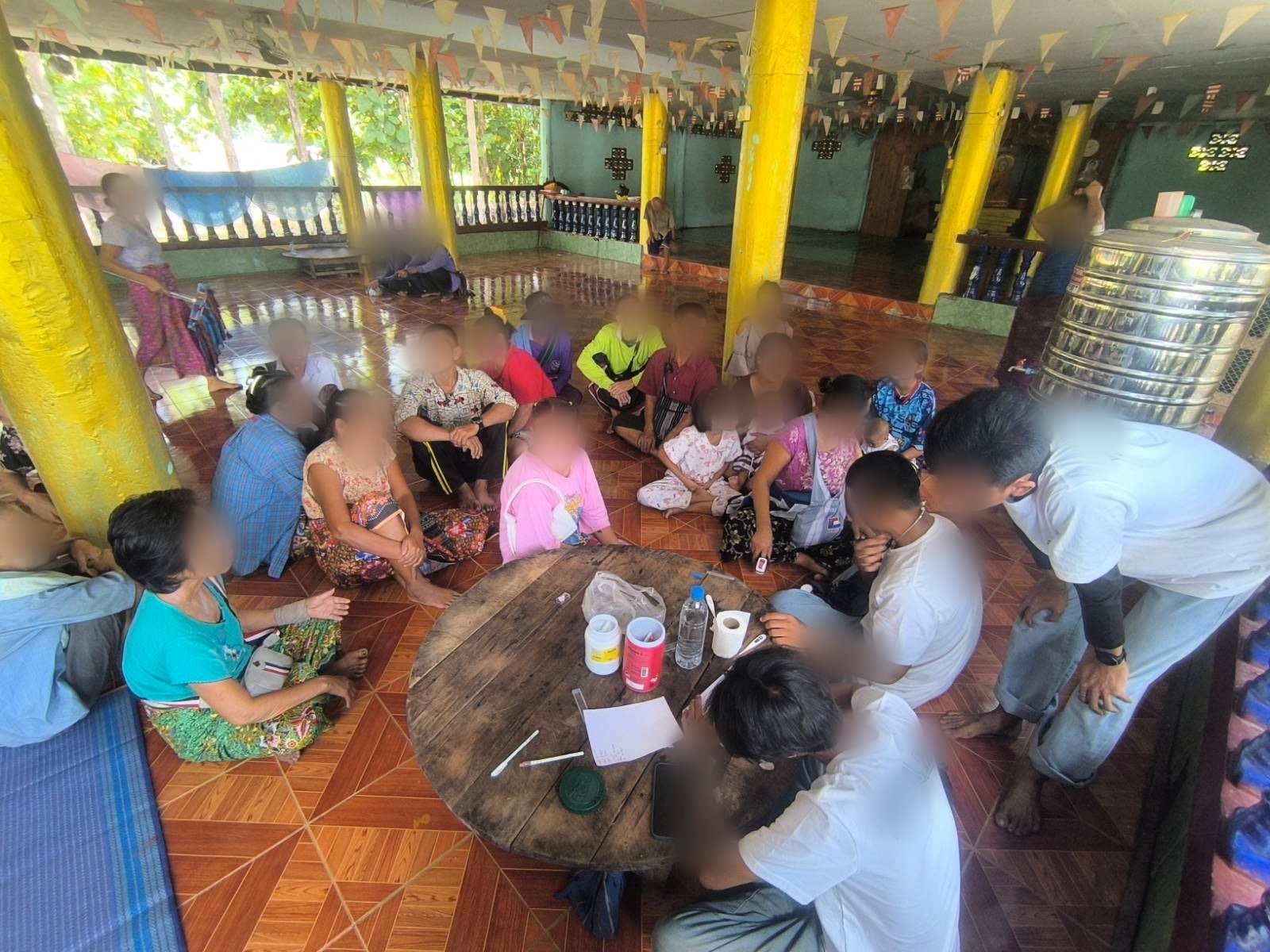
On this first trip back, the team traveled to a village with a population of over 400 people, including local villagers and some displaced families.
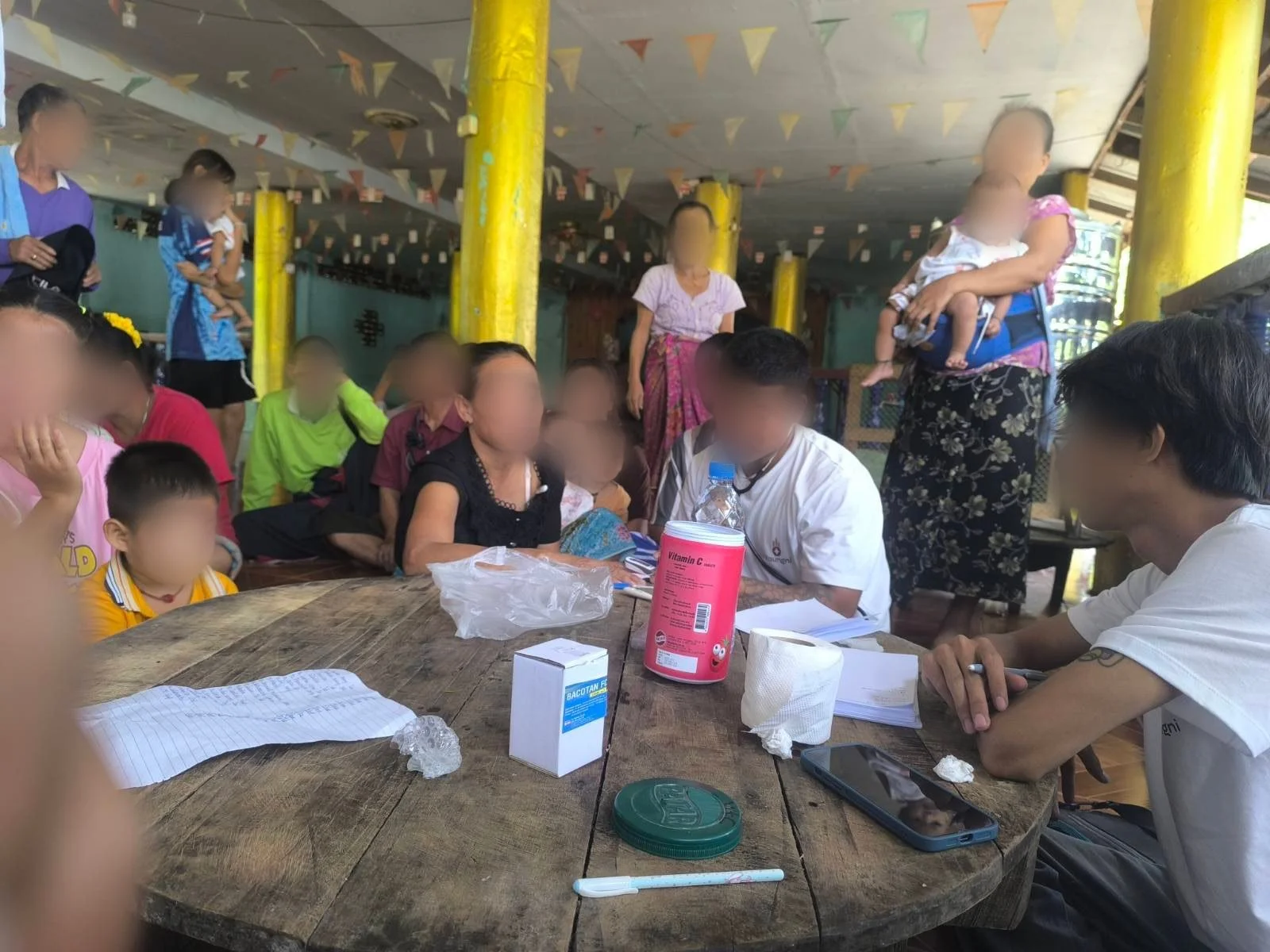
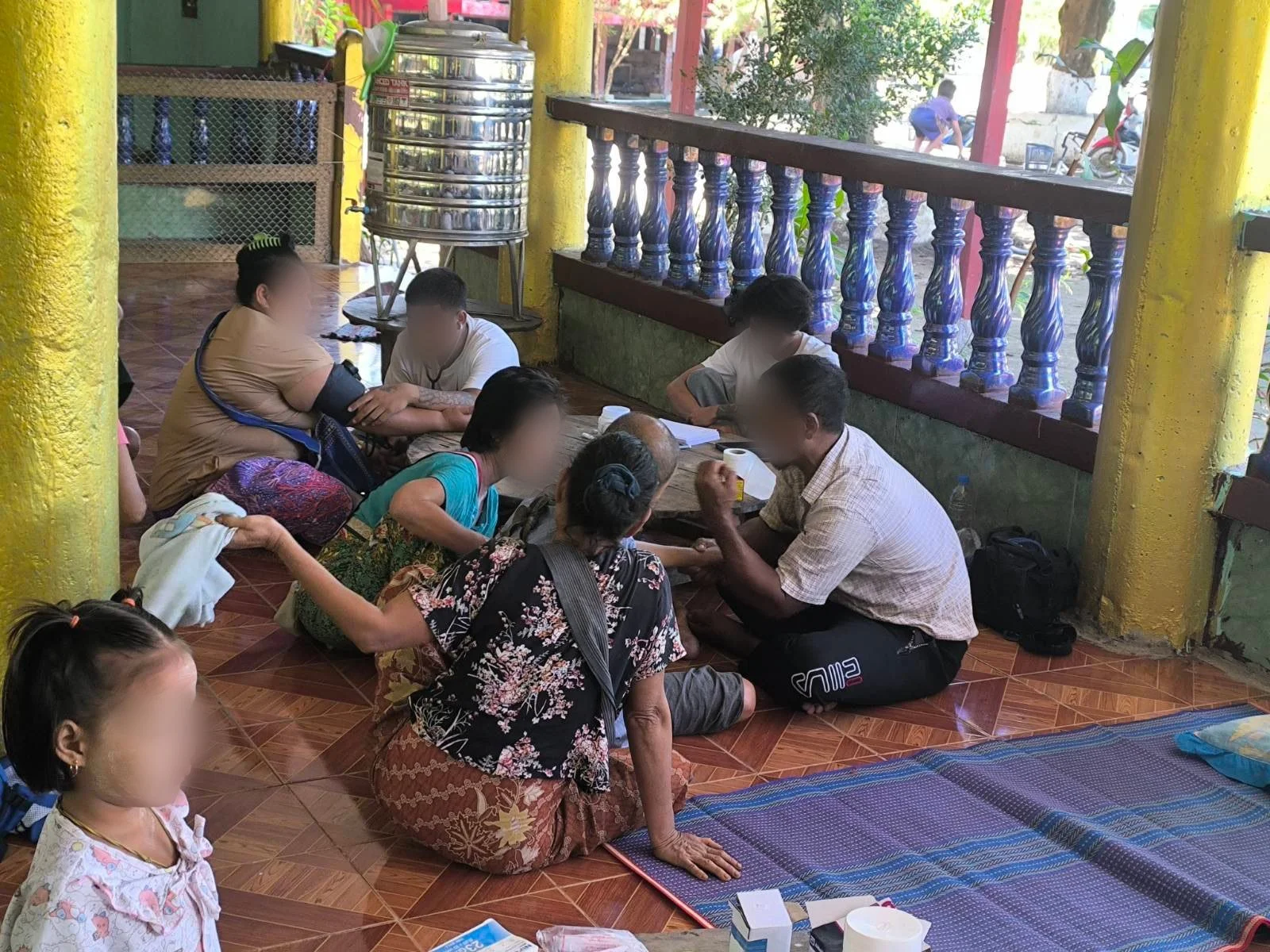
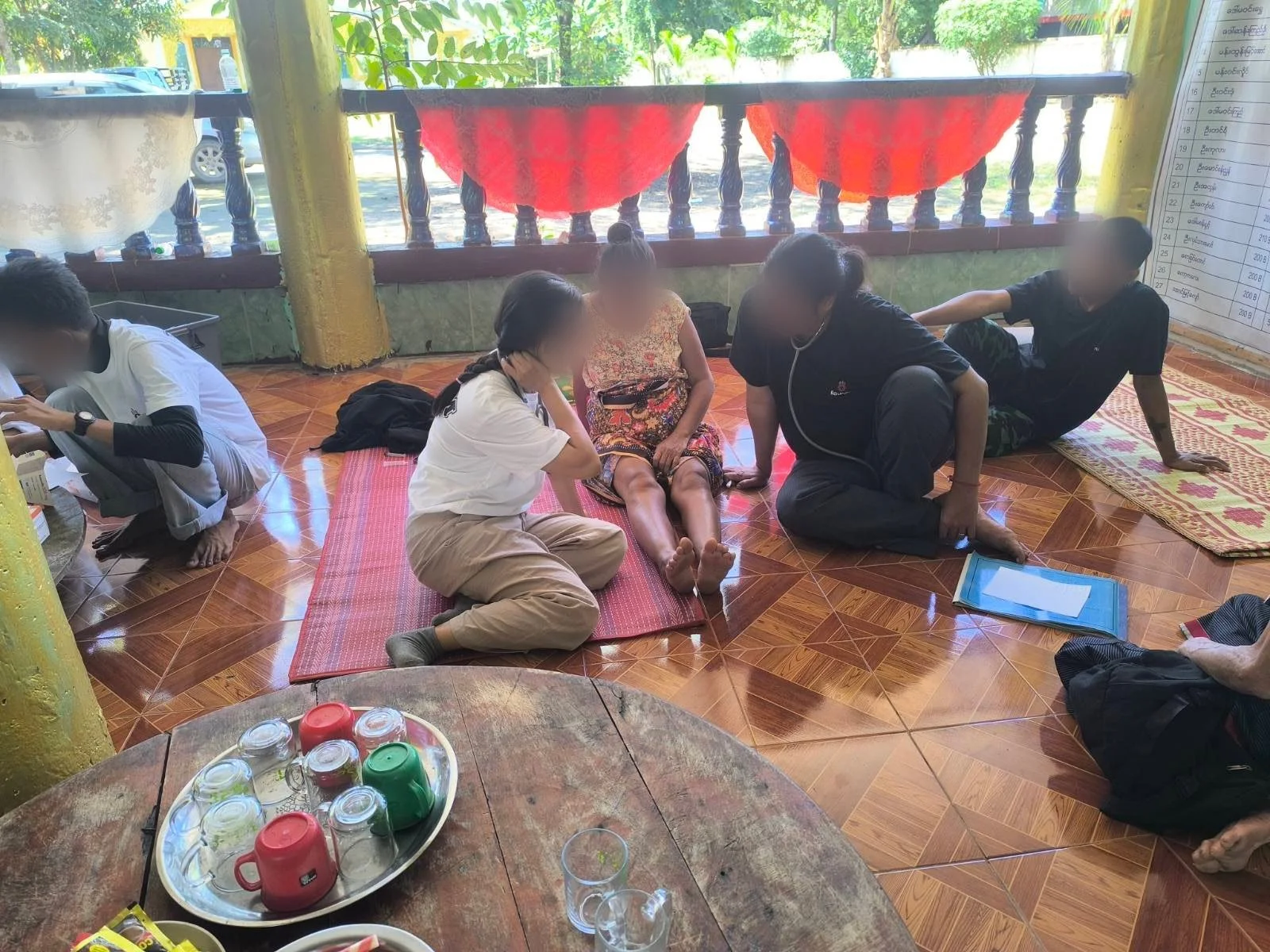
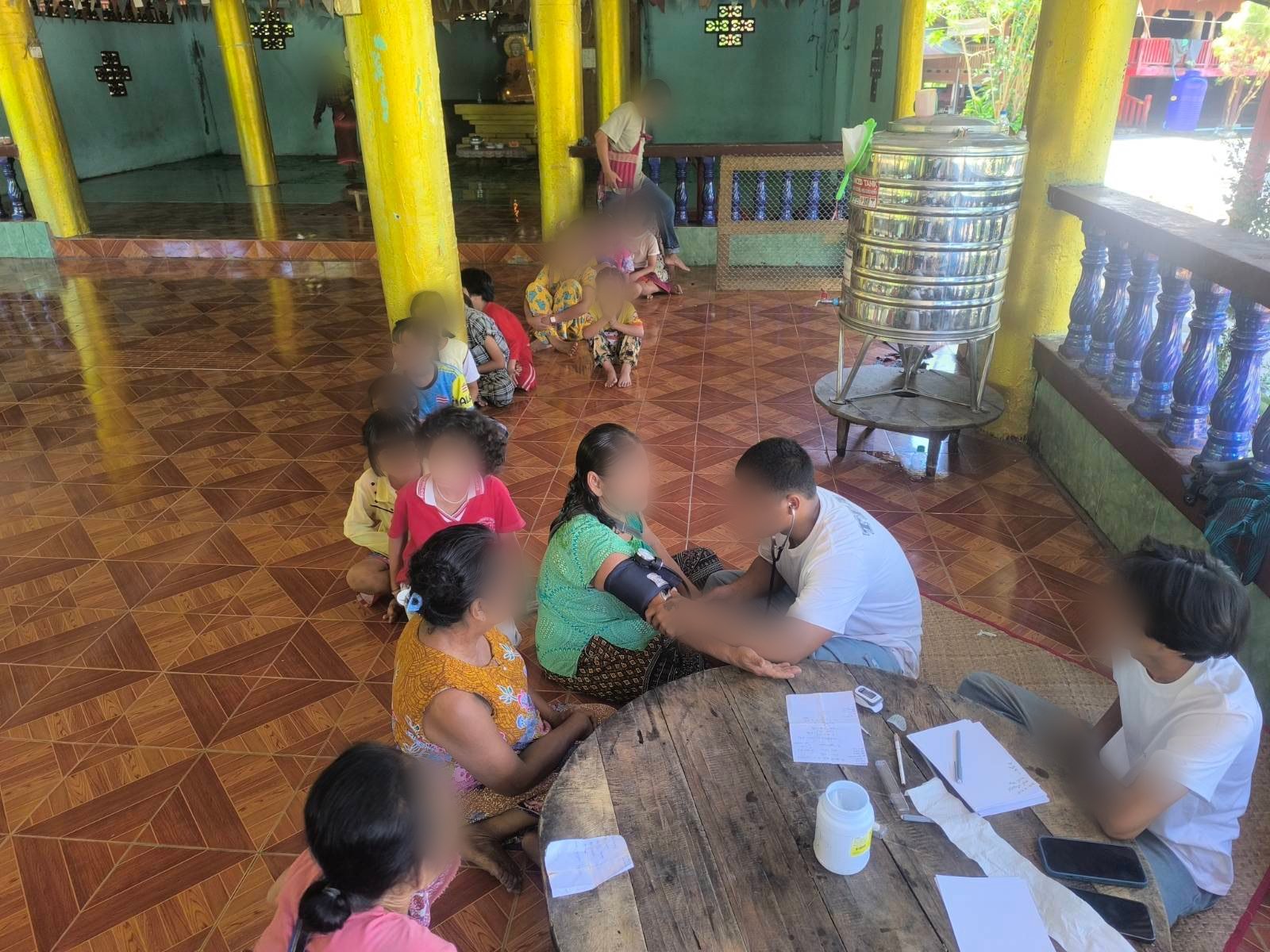
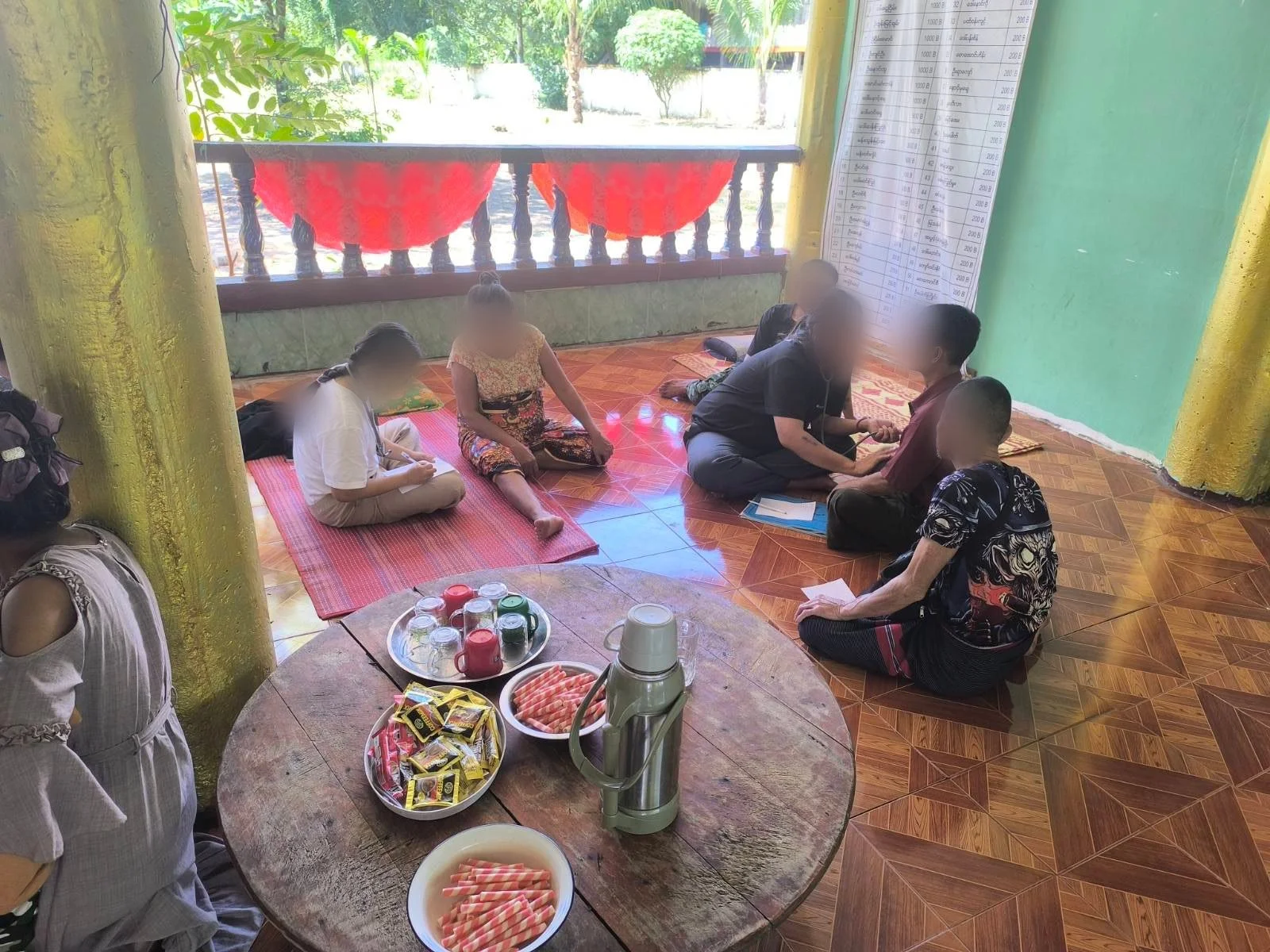
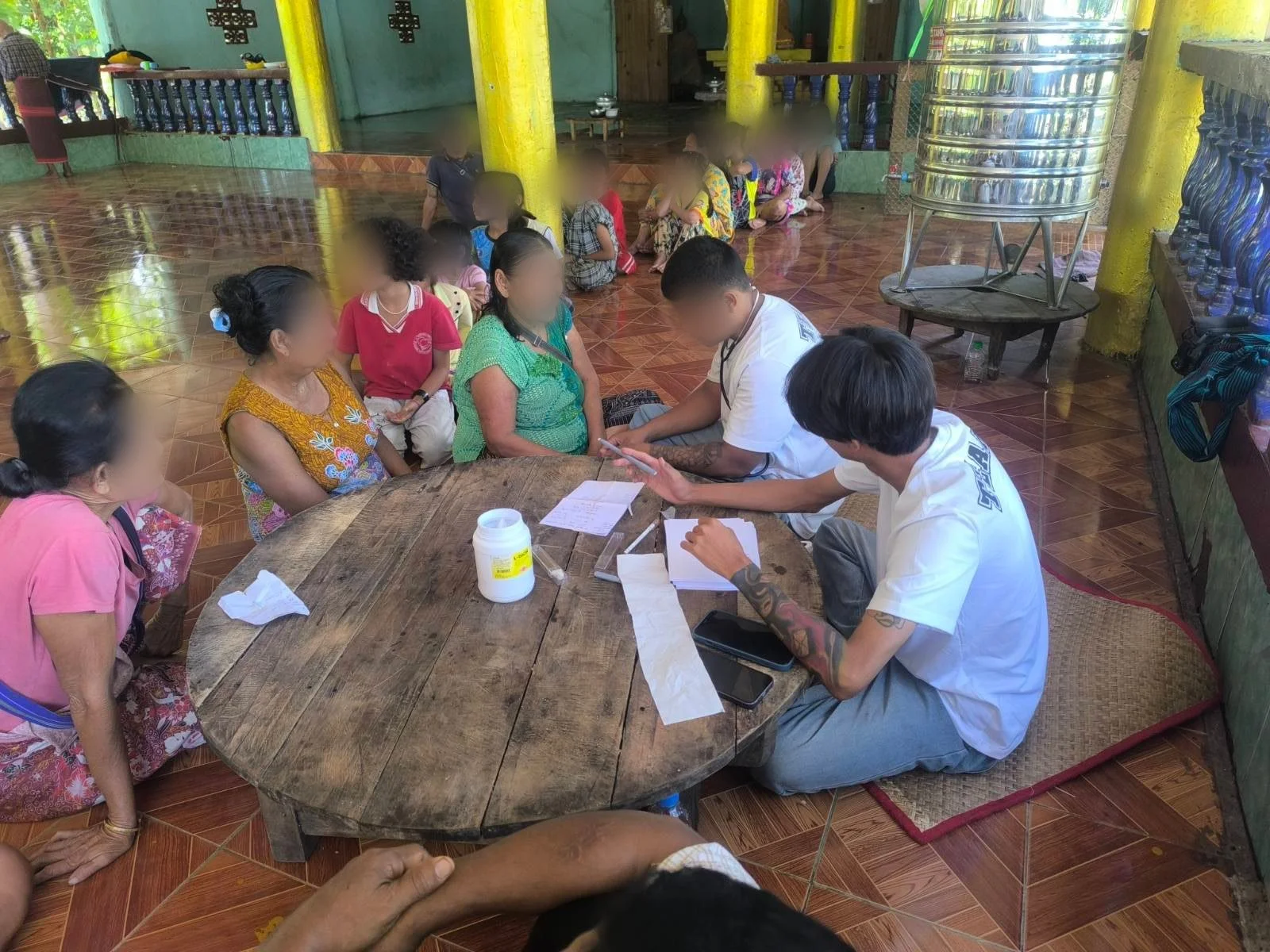
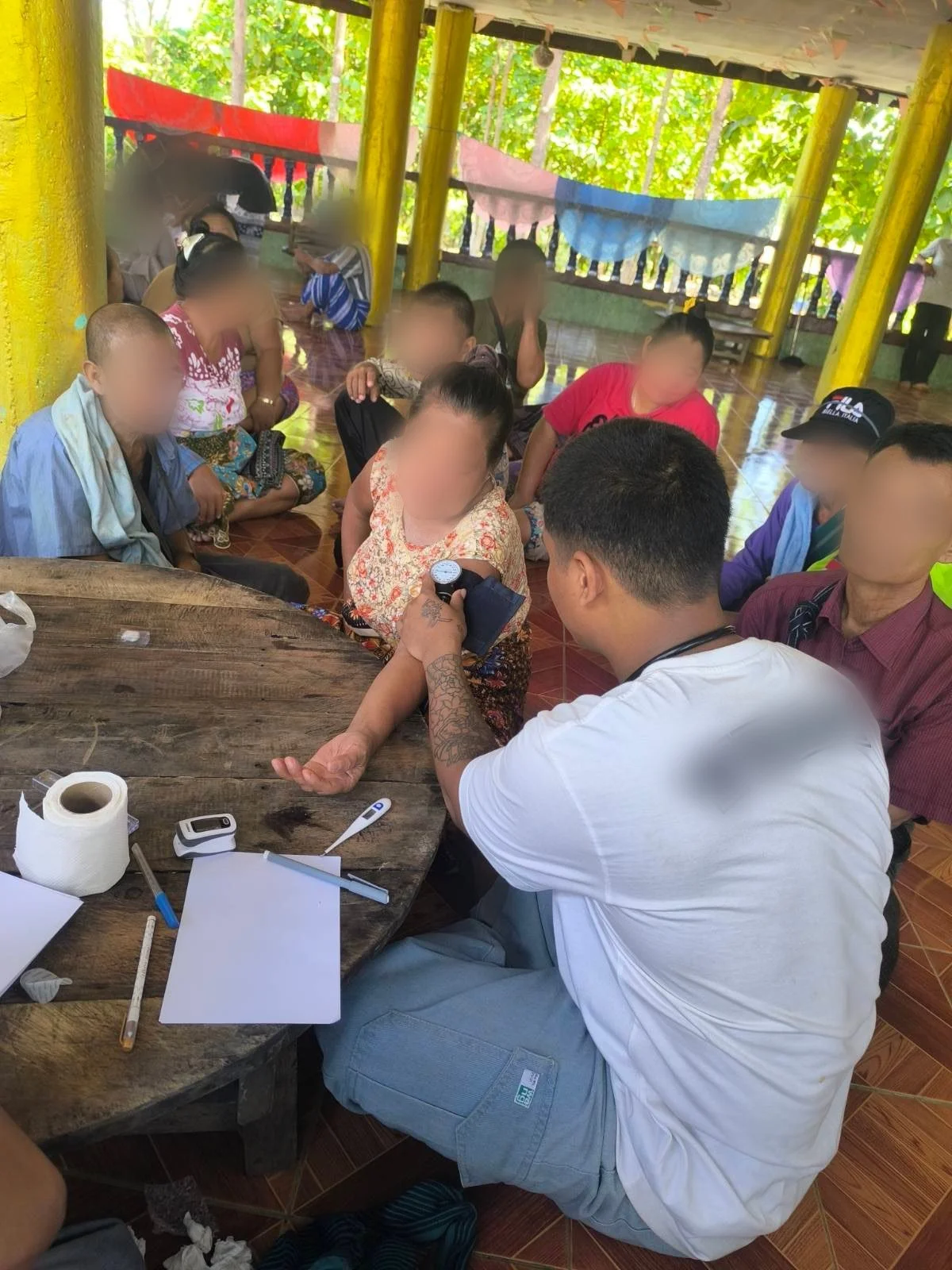
Over the course of one morning (9:30 a.m. – 12:30 p.m.), they provided consultations, checkups, and essential treatment to 60 patients—people who had been waiting for care as health needs piled up and options stayed out of reach.
It was a simple trip on paper. In reality, it was a return of hope.
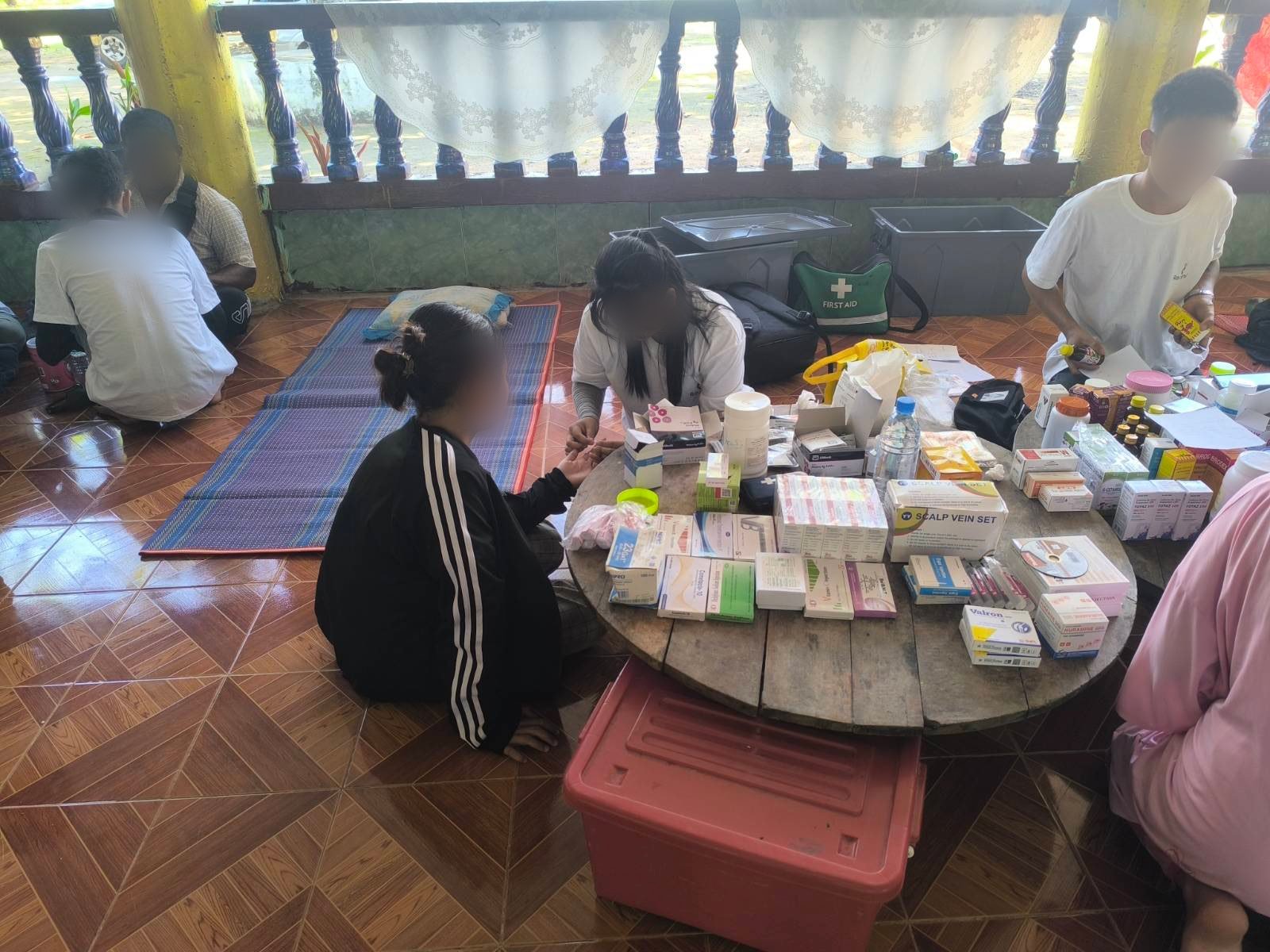
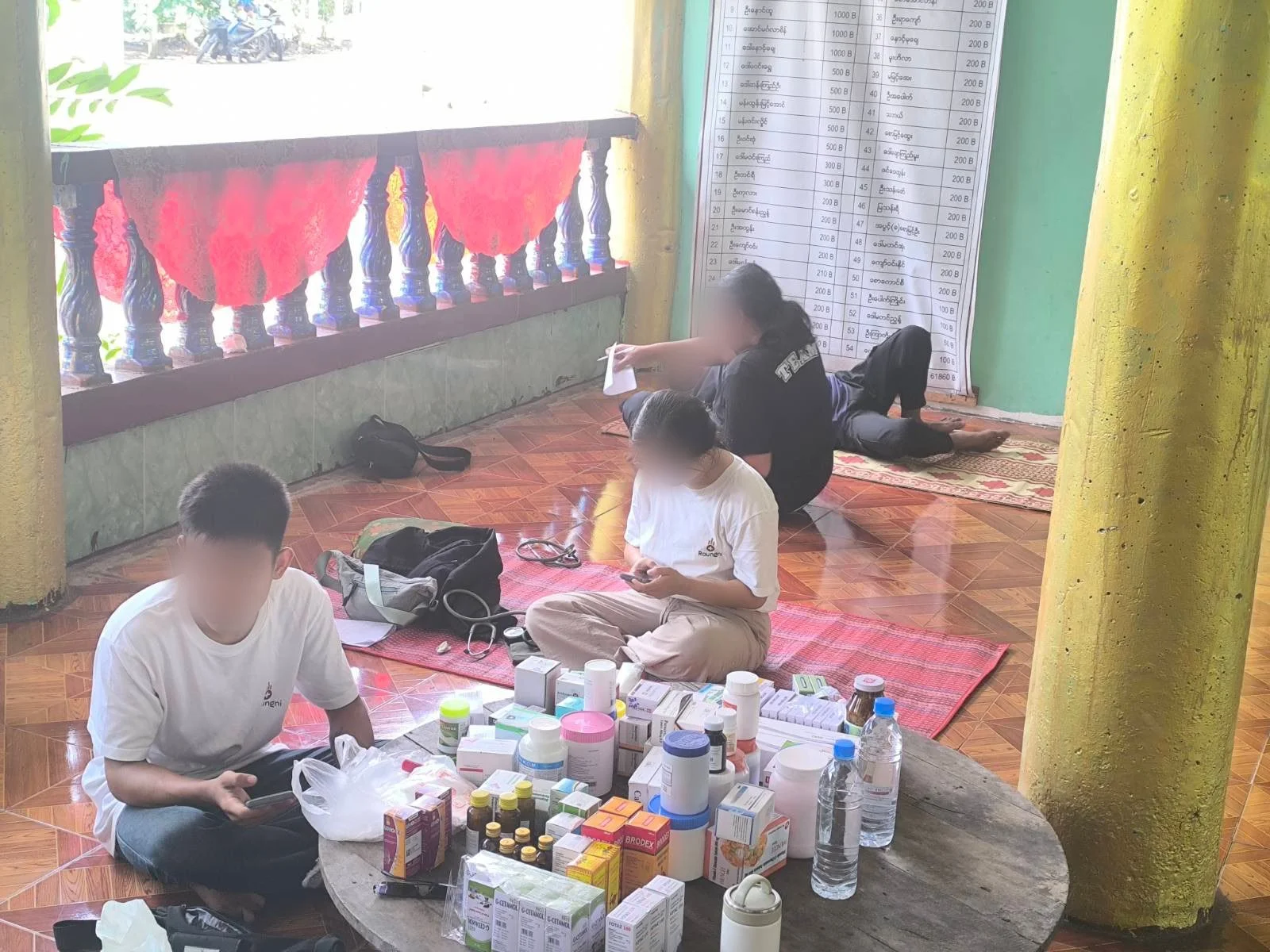
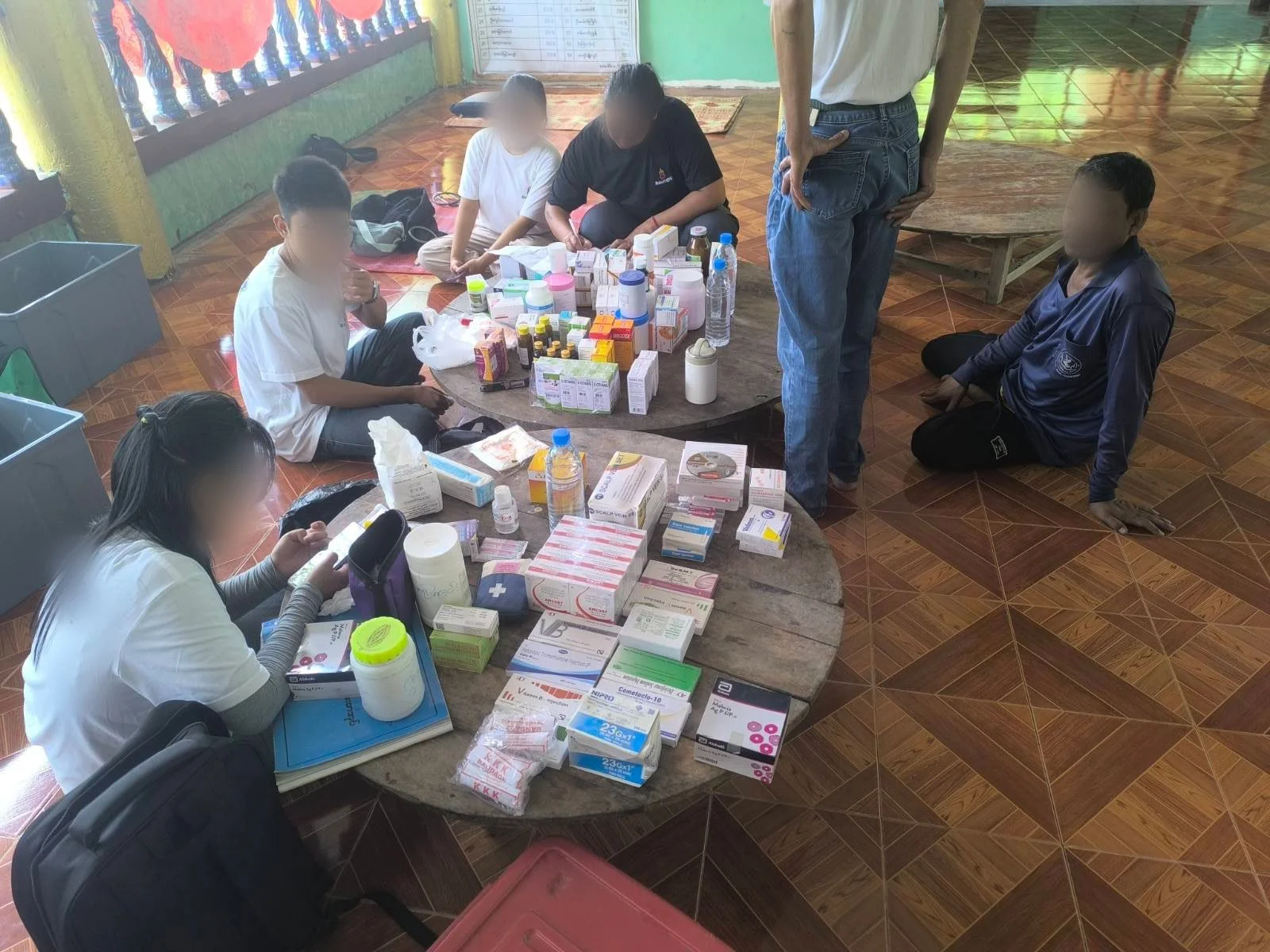
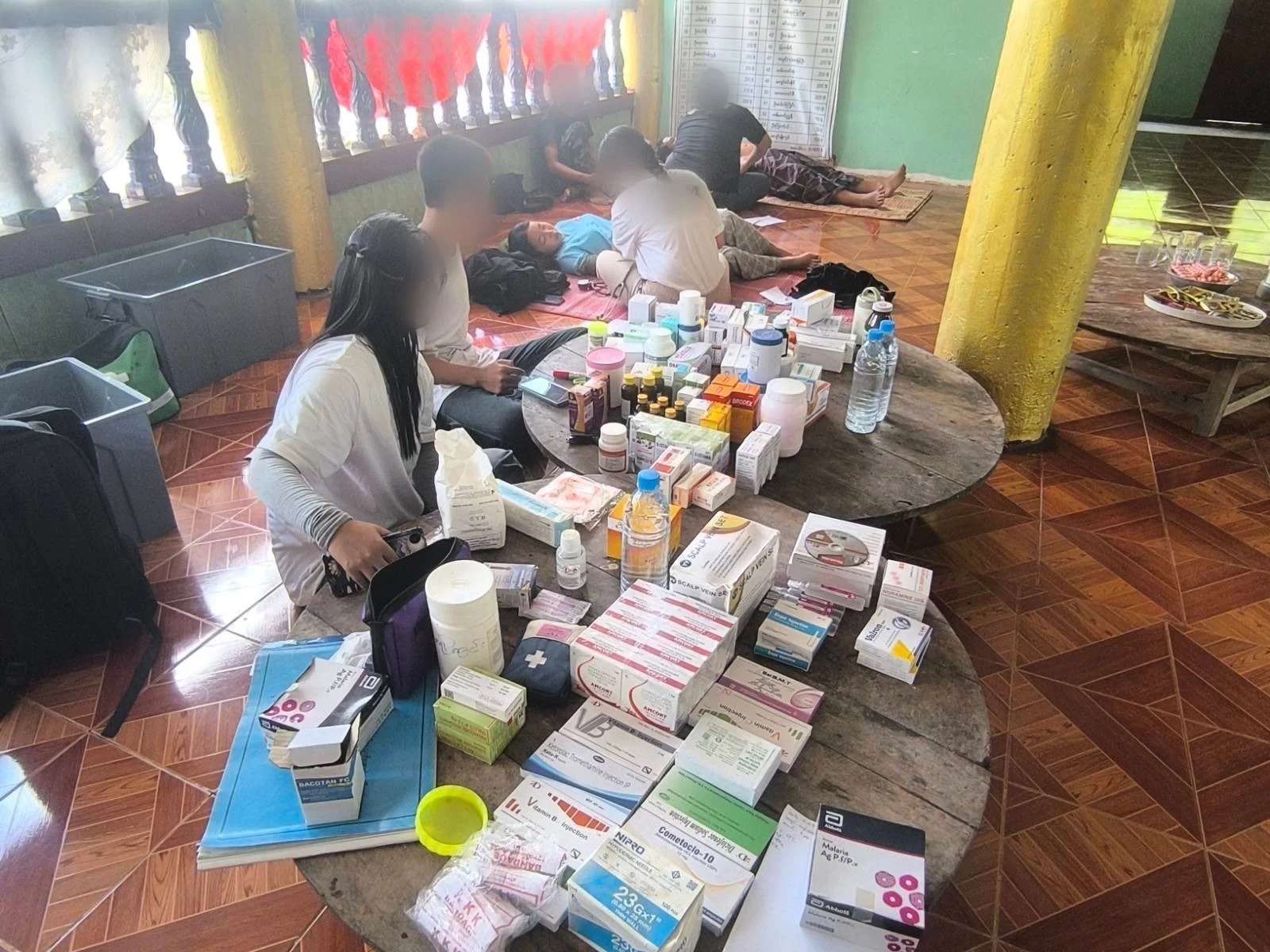
The outreach isn’t limited to “basic checkups.” These mobile trips routinely cover the kind of care that makes survival possible in fragile settings, including:
Maternal care
Minor operations and urgent medical procedures
Dental health services
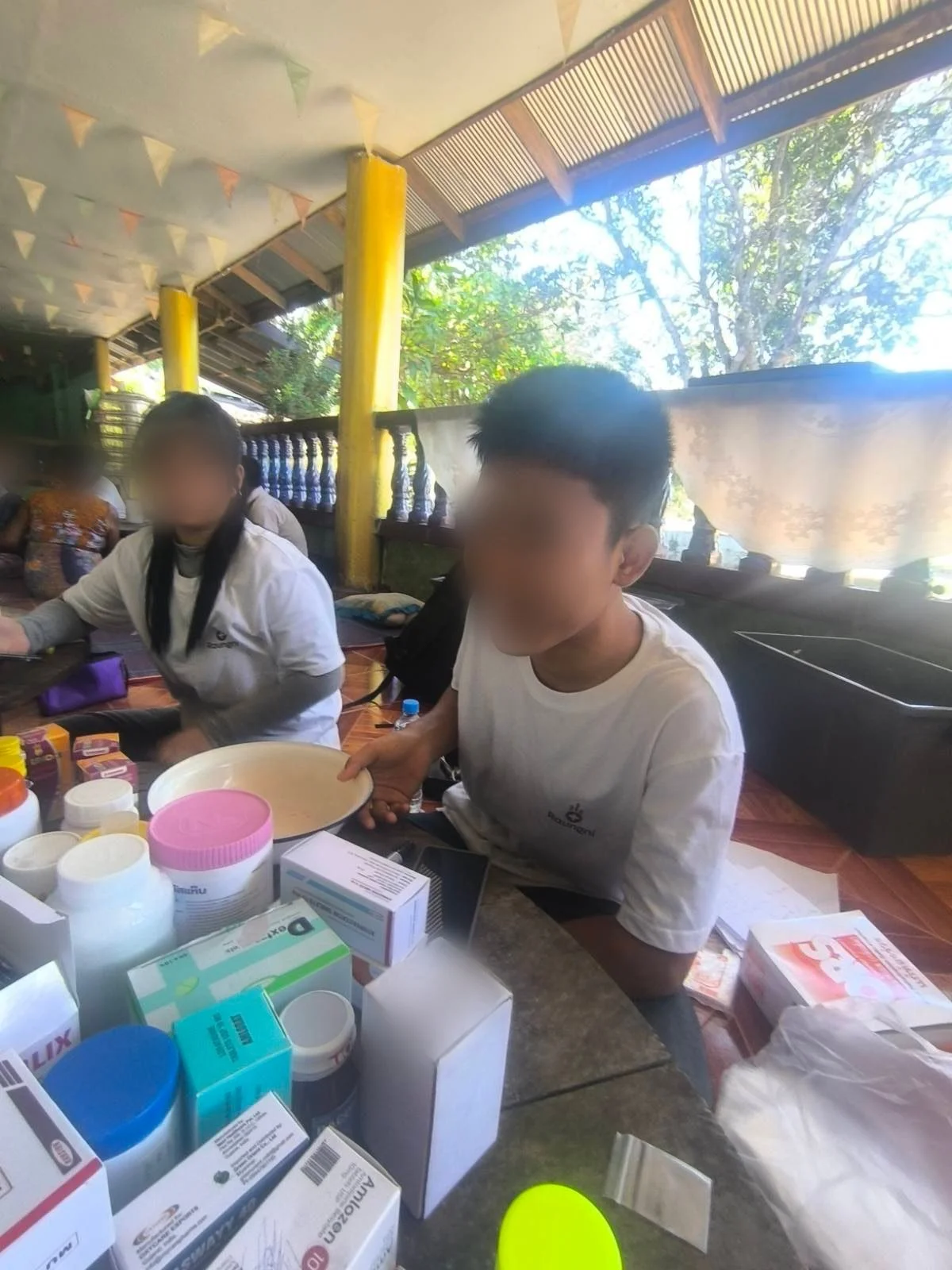
Distribution of essential medical supplies and medicines
Follow-up care for chronic illness and injuries
In places where clinics are few and hospitals are far, this range of services can be the difference between a treatable condition and a permanent loss.
Since early October, the mobile clinic has been able to restart a regular schedule, visiting villages every two weeks to provide medical relief and monitor ongoing cases. That steady rhythm matters. Health crises don’t arrive once; they return. So the care must return too.
This work is led by local health workers who know the terrain, the risks, and the needs better than anyone else. Their ability to move, adapt, and keep serving communities under pressure is exactly what community-driven humanitarian aid should look like.
Better Burma is grateful to walk alongside them, helping sustain these trips so care keeps reaching the people who need it most.
How You Can Help
Mobile clinics run on fuel, medicine, equipment, and the sheer determination of the people providing care. Supporting these trips means supporting life-saving access for communities cut off from the health system.
If you’d like to help keep the mobile clinic moving, please consider donating or sharing this update. Each contribution helps the clinic reach one more village, one more patient, one more day of healing.