
Fighting A Silent Outbreak in Rakhine
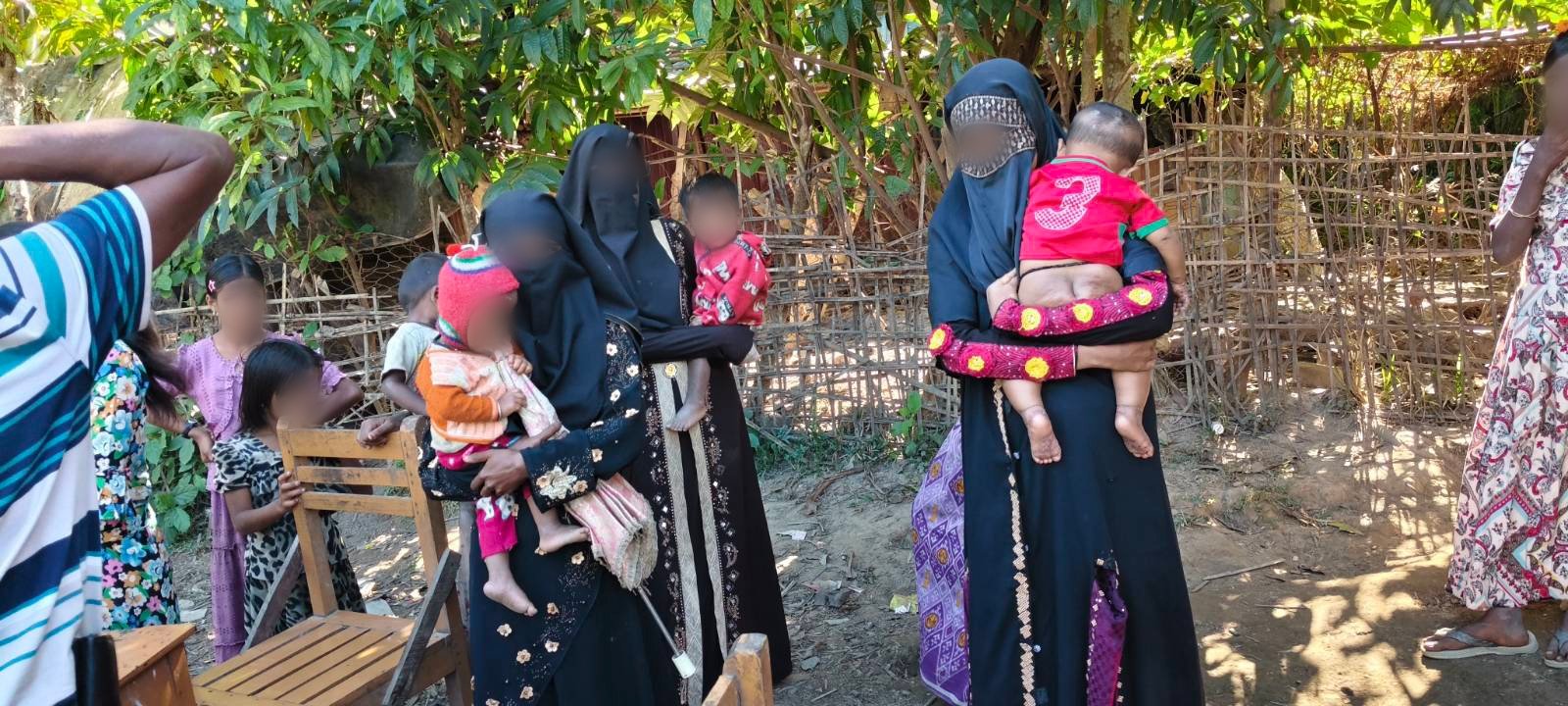
Across the villages of Kyauktaw Township in Rakhine State, a sudden outbreak of severe diarrhea has shaken rural communities already facing hardship and lack of basic services. In towns where clean water is scarce and medical access limited, this outbreak has quickly become a crisis demanding urgent action.
The outbreak is linked to unsafe drinking water and poor hygiene, conditions that are all too common in villages with limited infrastructure. Local residents were soon quarantined, unable to travel beyond their villages to access care or support. A health ministry team arrived to monitor patients and provide crucial guidance: boil drinking water, wash hands with soap after using the toilet and before meals, and use water purification tablets if available. Community health workers were selected and trained to educate families about hygiene and to report daily on new cases.
Yet these basic instructions underscore a deeper inequality. Many families cannot afford to see a doctor. When illness strikes, they rely on traditional remedies that do little to address dehydration and infection. Tragically, this has already cost lives, even as countless others struggle to recover with proper medical support.
Across five villages, more than 100 people, many of them children, fell ill as waterborne sickness spread. In places where access to medical care is constrained by distance, poverty, and conflict, waiting for help can cost precious time and lives.
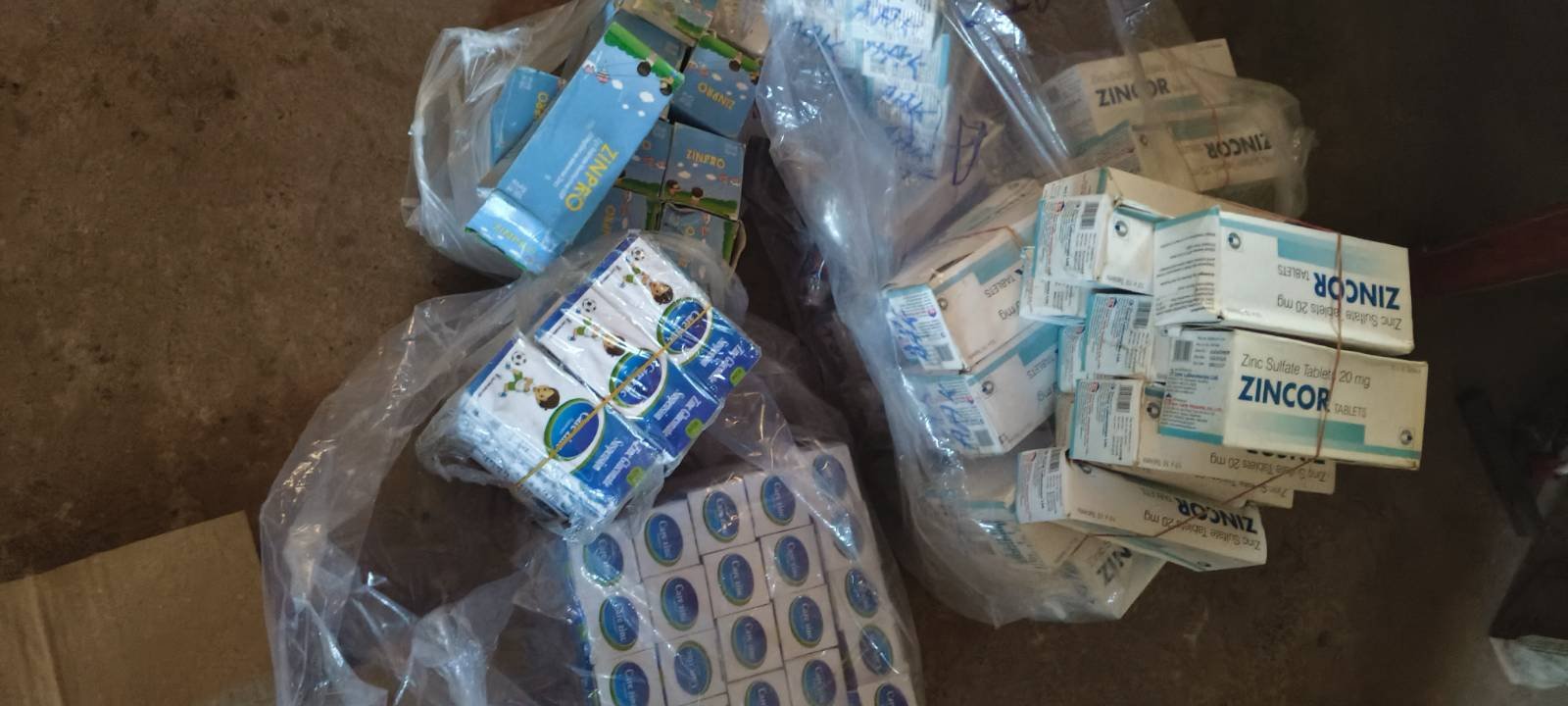
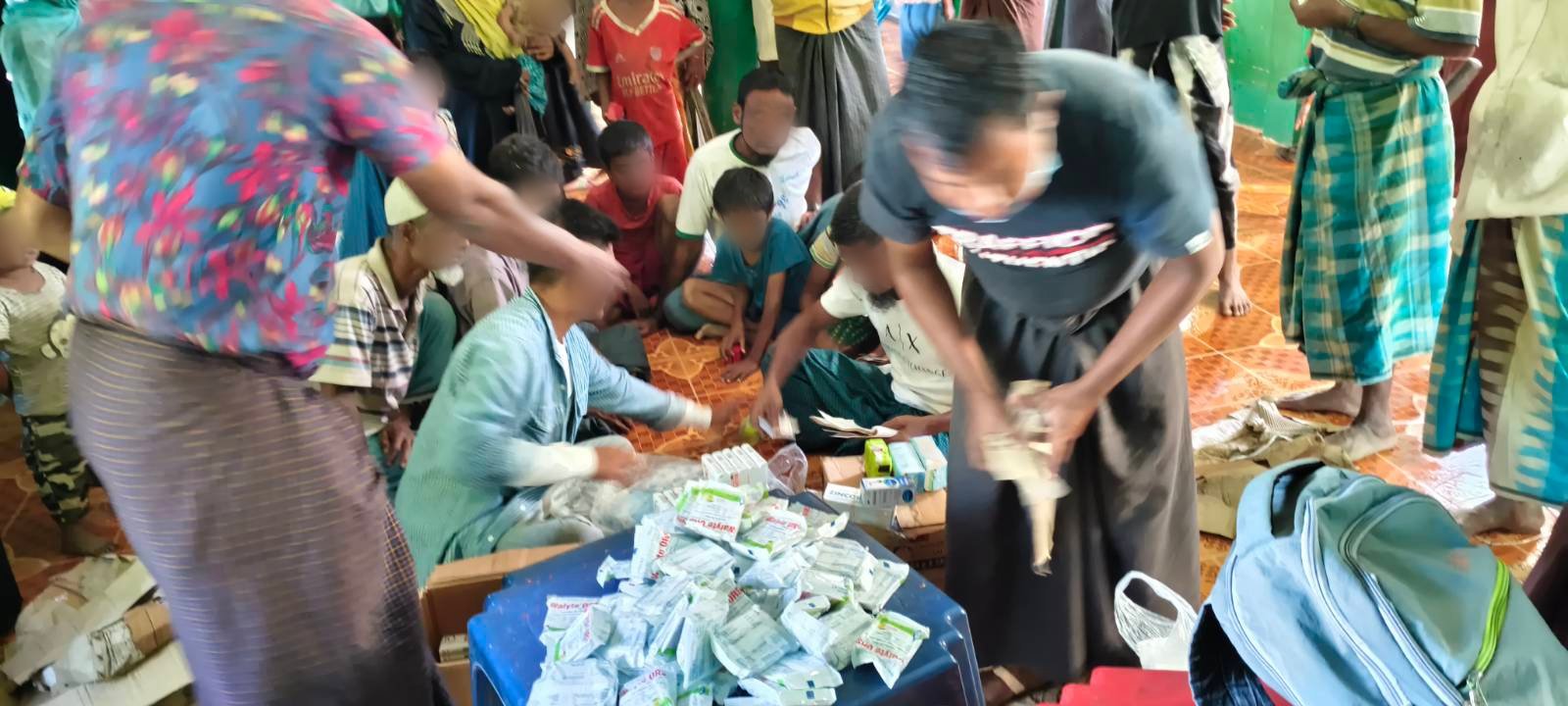
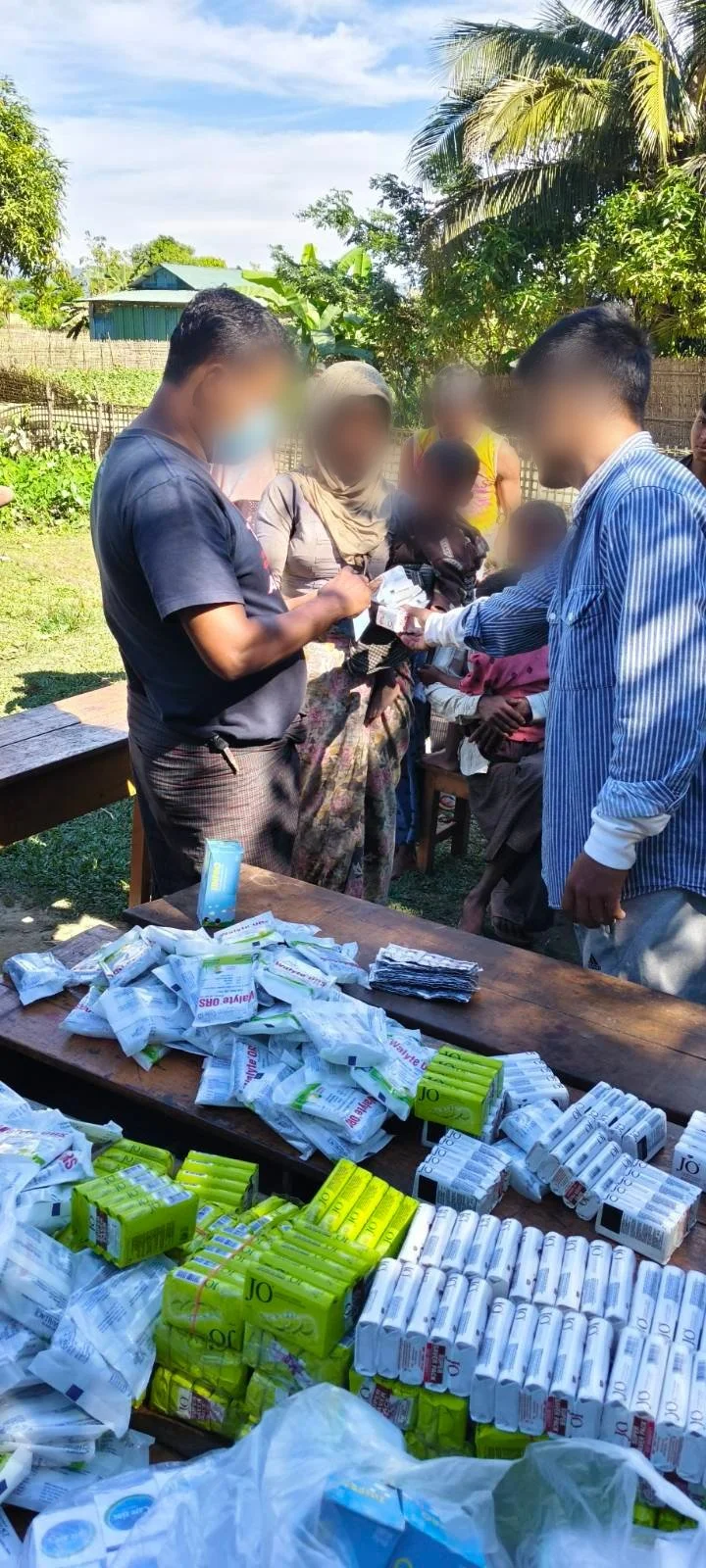
Better Burma through your support, responded immediately by mobilizing emergency medical aid to the affected communities. We provided oral rehydration solution (ORS), zinc supplements, and soap, simple, lifesaving supplies that help prevent dehydration, support recovery, and reduce the spread of disease. These basic items are among the most effective tools against diarrheal disease, yet they are often unavailable where they are needed most.
This outbreak illustrates a painful truth: when basic services like clean water and sanitation are out of reach, preventable illnesses can become emergencies. It also shows how local health workers, village residents themselves, are on the frontlines, educating families, monitoring conditions daily, and doing everything they can to protect their neighbors.
We remain committed to supporting these communities with both immediate relief and advocacy for long-term access to clean water and healthcare. Your support makes this work possible. In moments like these, when a simple glass of clean water can mean the difference between life and death, every contribution counts.
Together, we can ensure that communities not only survive crises like this one but are better prepared to prevent the next.