
A Flock of New Beginnings
In November 2024, a Rohingya family with eight children lost everything in a single moment. Their home in Buthidaung, Rakhine State was burned down during fighting between the SAC military and the Arakan Army (AA). With their belongings gone and no safety left behind, they faced a choice no parent should ever have to make: where can we take our children to survive and still have a future?
They chose Thailand, not because it was easier, but because they believed their children might still have a chance at something more than survival.
Their journey to Thai-Myanmar border took nearly three months. It included traveling by boat, walking long distances, hiding in jungles for weeks, and living in constant fear, moving forward only for the sake of their children. In February 2025, they finally arrived in Thailand.
Reaching Thailand did not mean the hardship ended. Most of the family remains undocumented, facing daily insecurity and limited access to basic services. But with assistance from Better Burma through your support, the head of the household was able to obtain legal documentation (a pink card). Through community kindness, the family found a place to live and the children were able to begin attending school, something that once felt impossible.
Why Poultry?
When families are displaced, the world often focuses on emergency relief and that support is critical. But as months pass, another need becomes urgent: a way to rebuild stability.
That’s why Better Burma we supported a small poultry livelihood project for this family.
It’s not a huge farm. But it’s powerful because it helps a family begin producing something of their own again, day by day.
This project included:
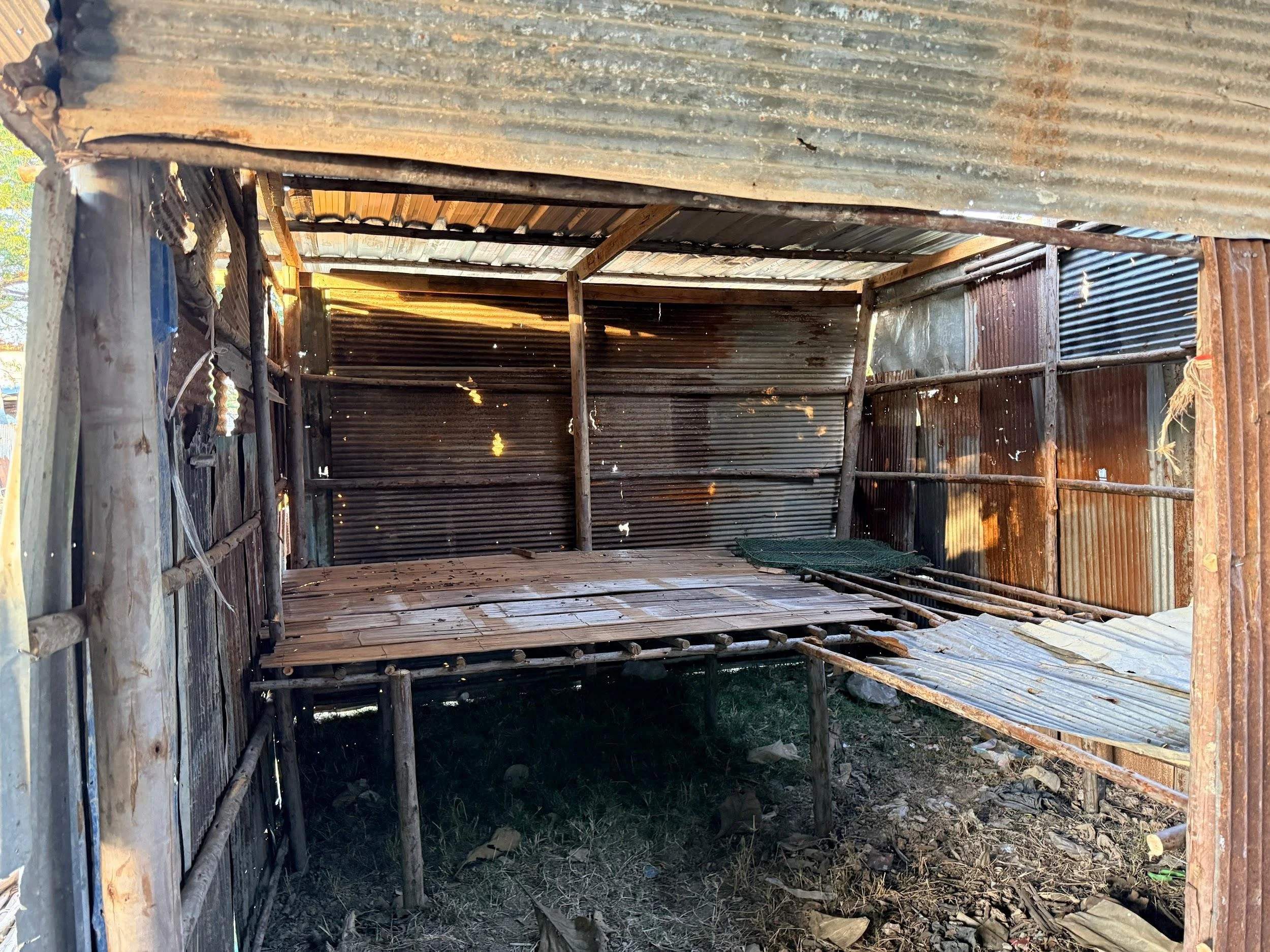
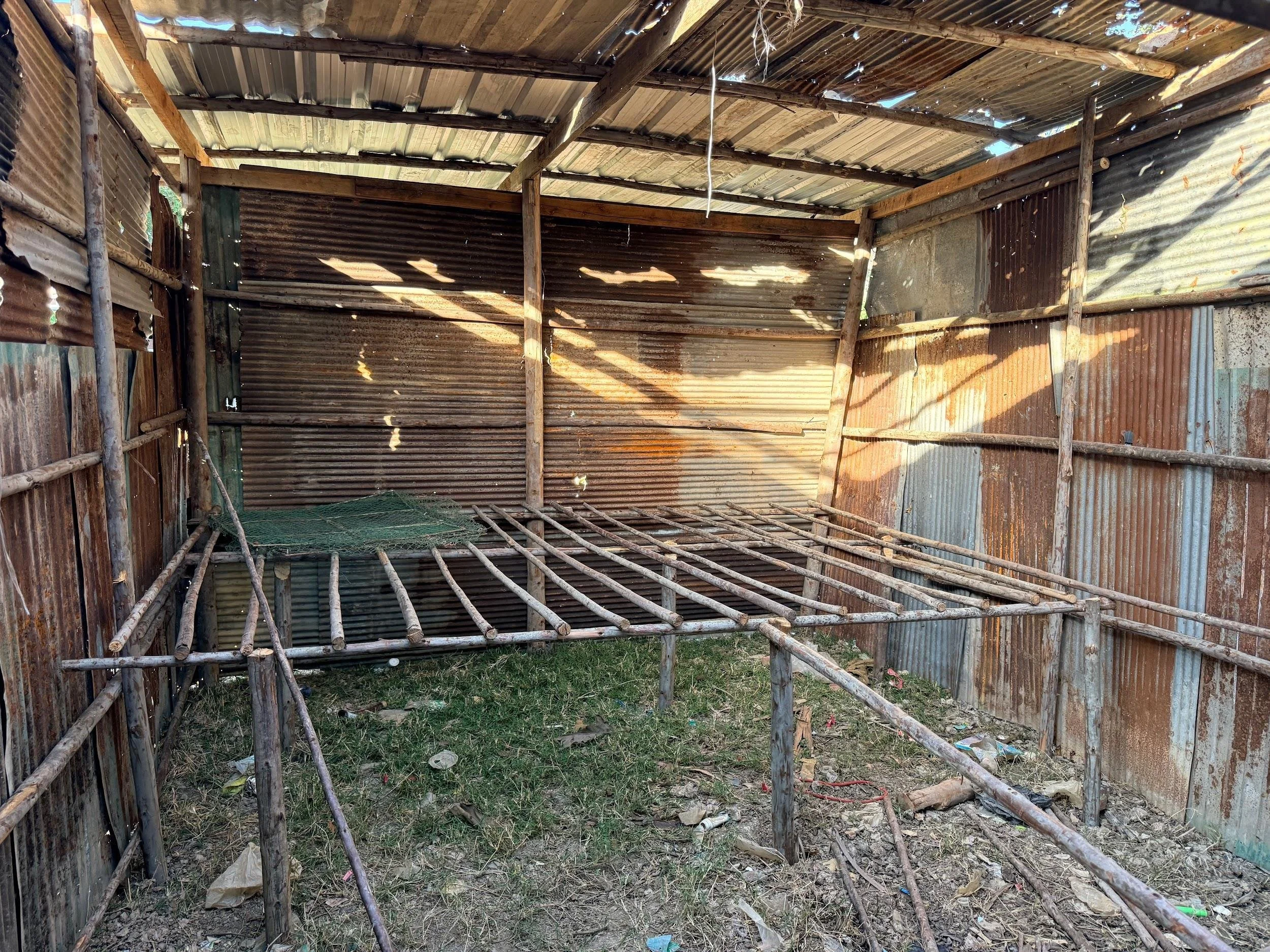
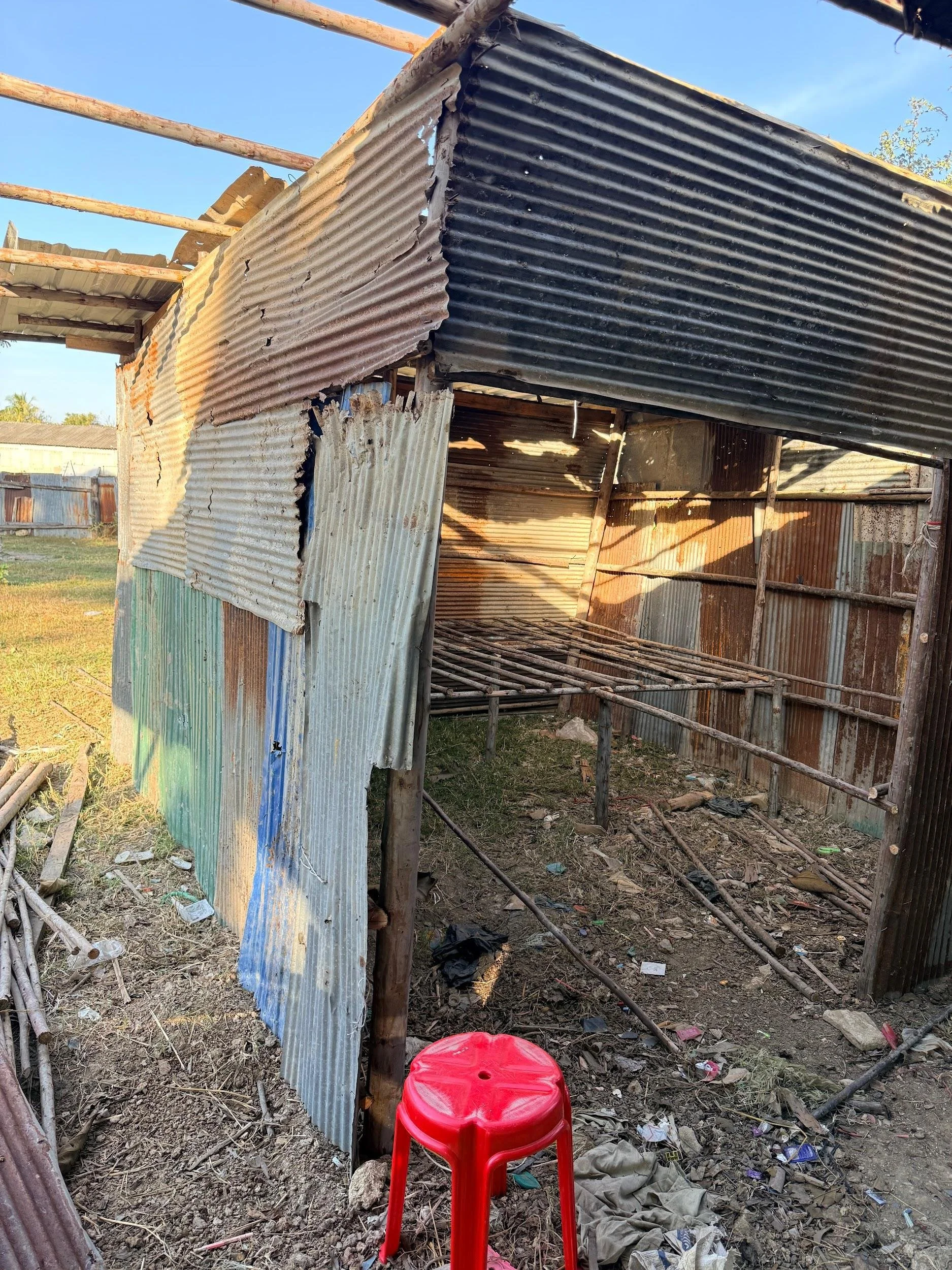
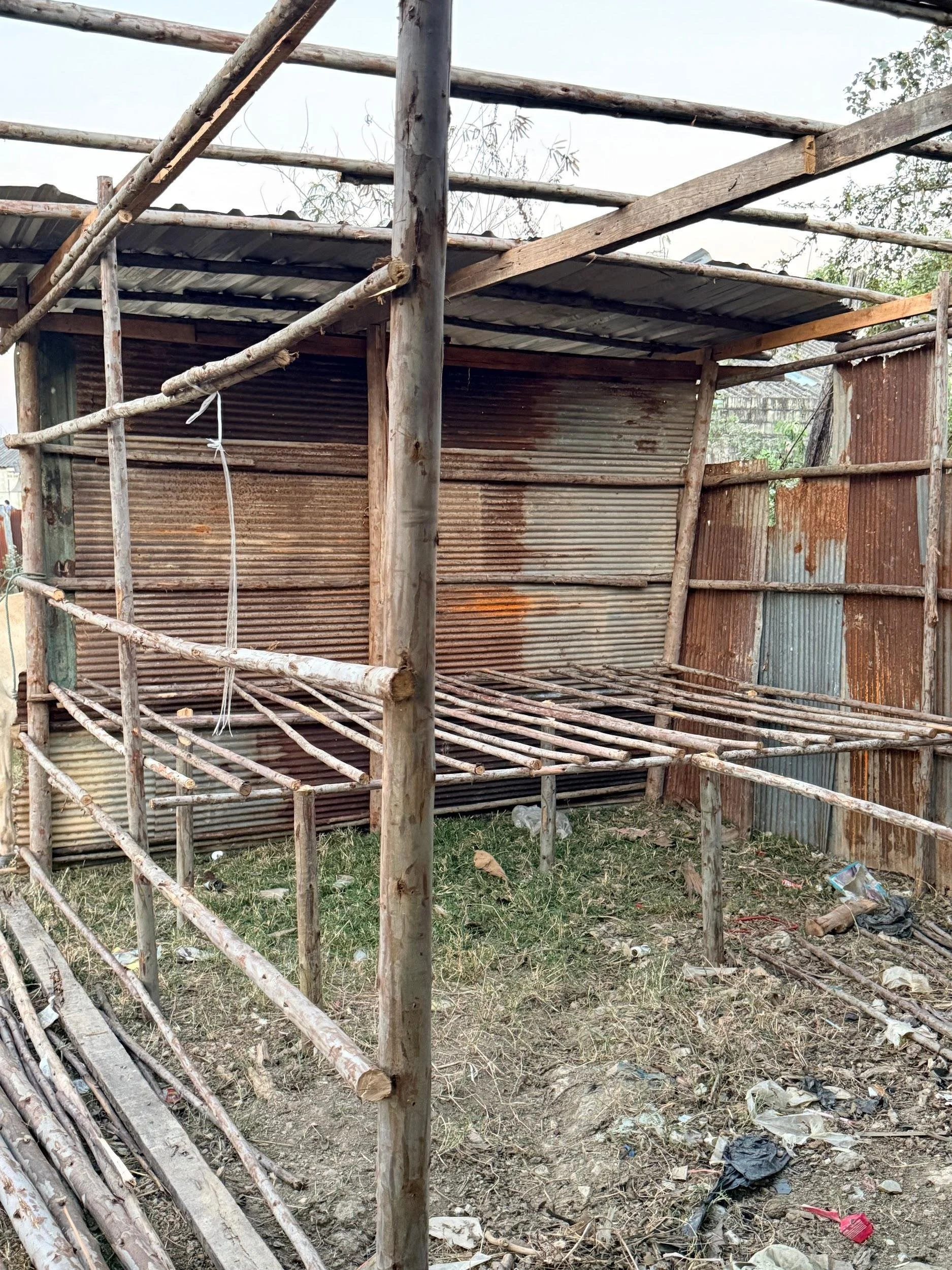
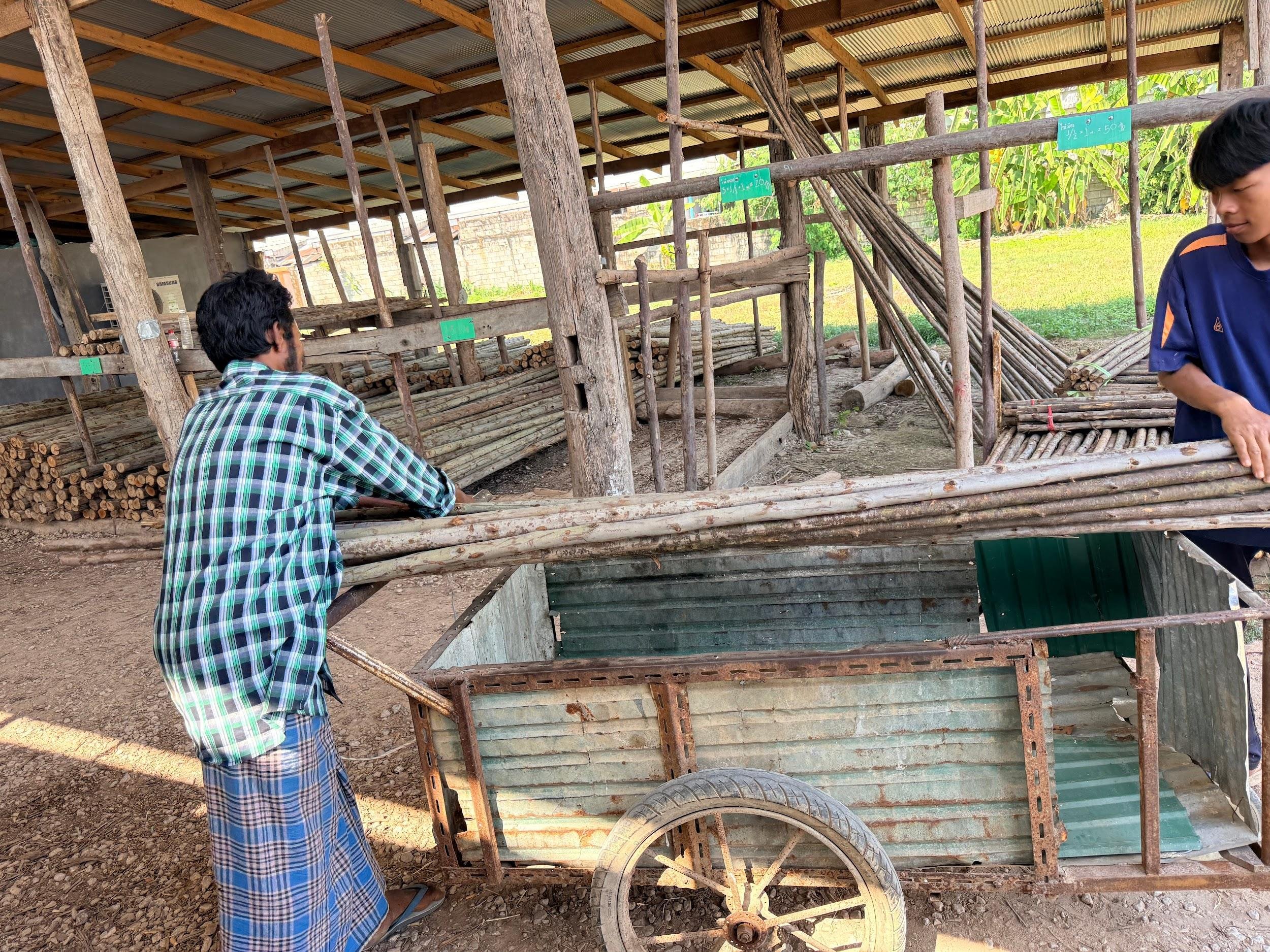
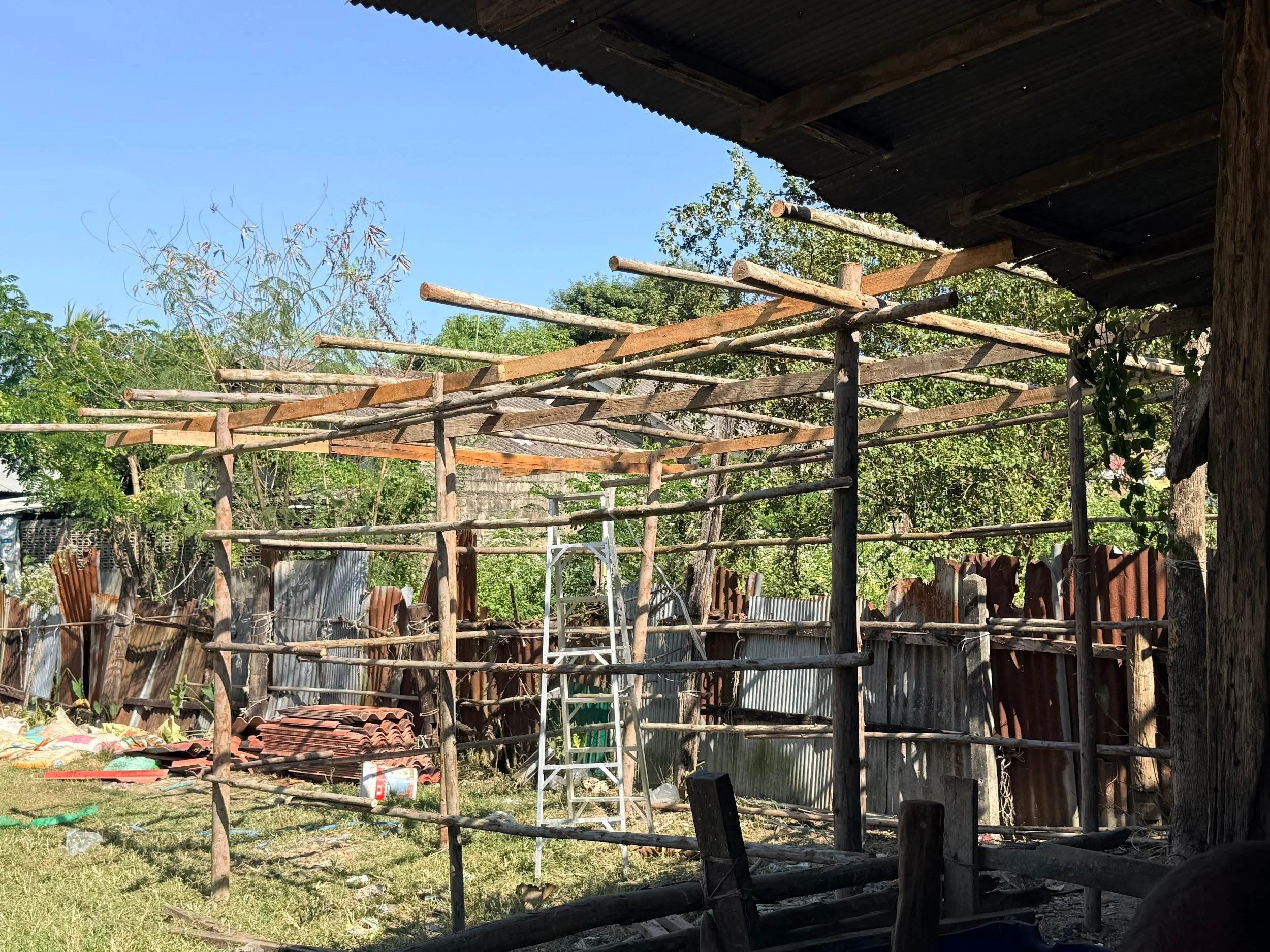
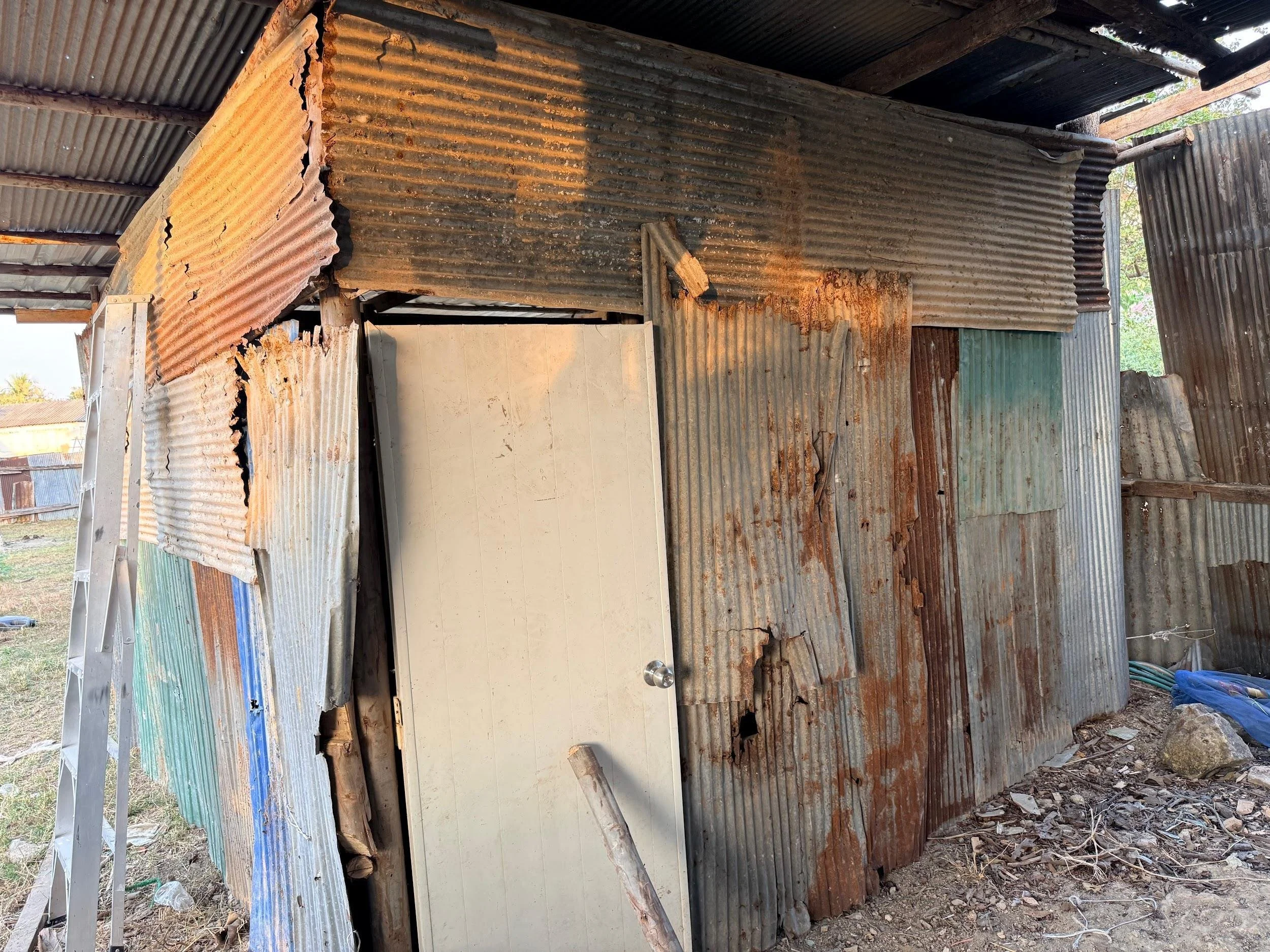
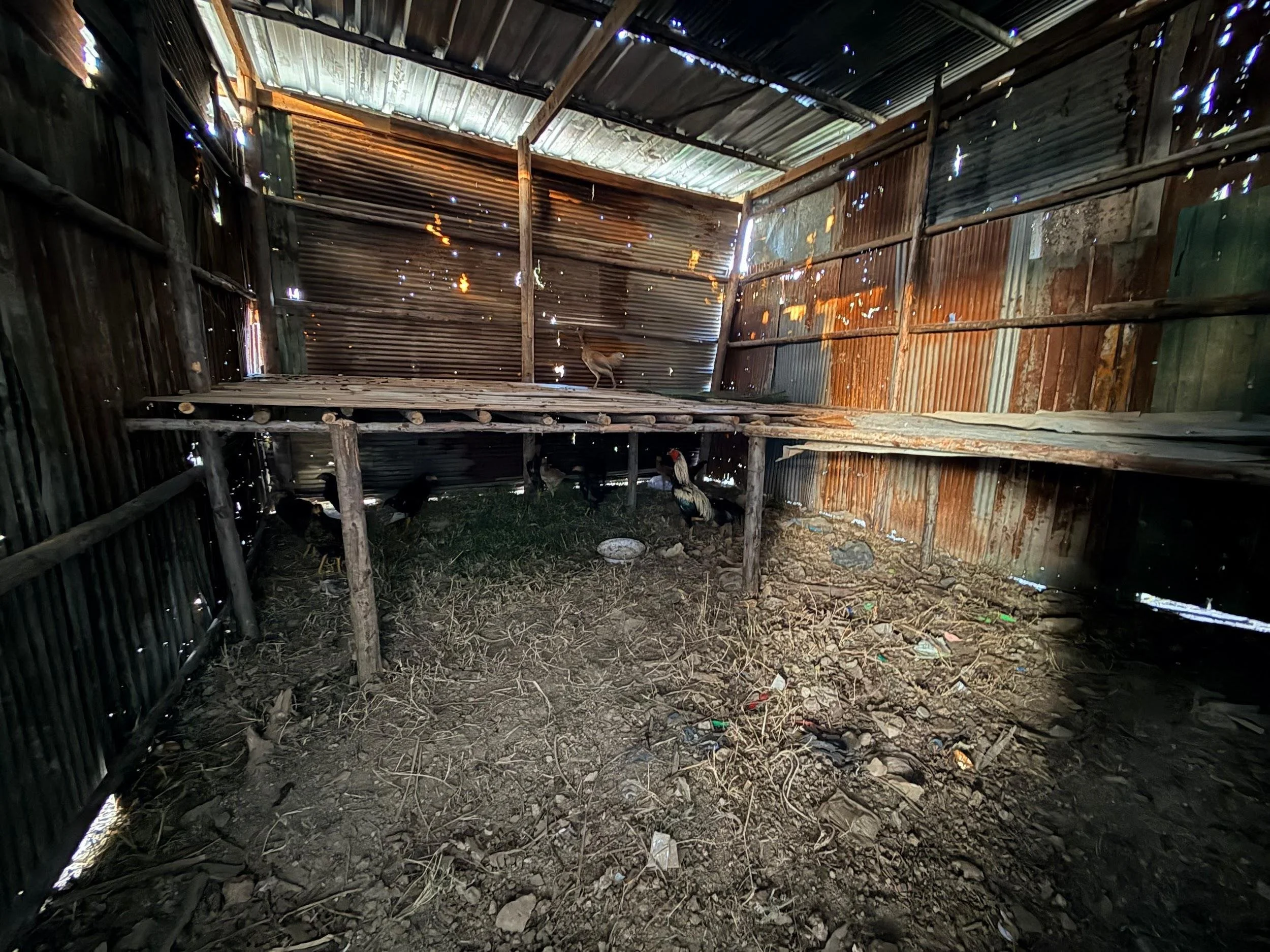
A chicken shelter (8 × 10 feet) built to keep the chickens safe from weather and predators and to support hygiene and care
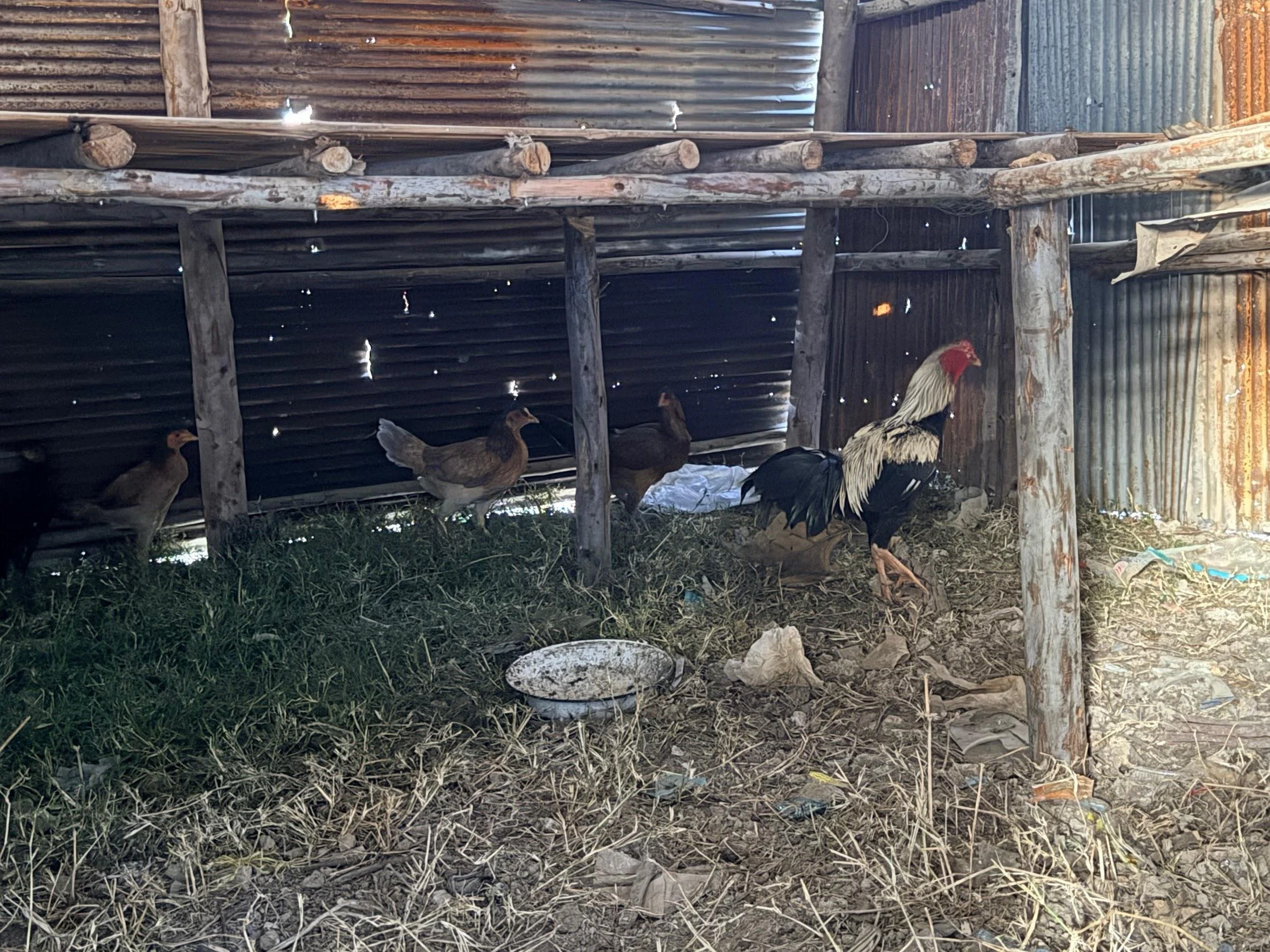
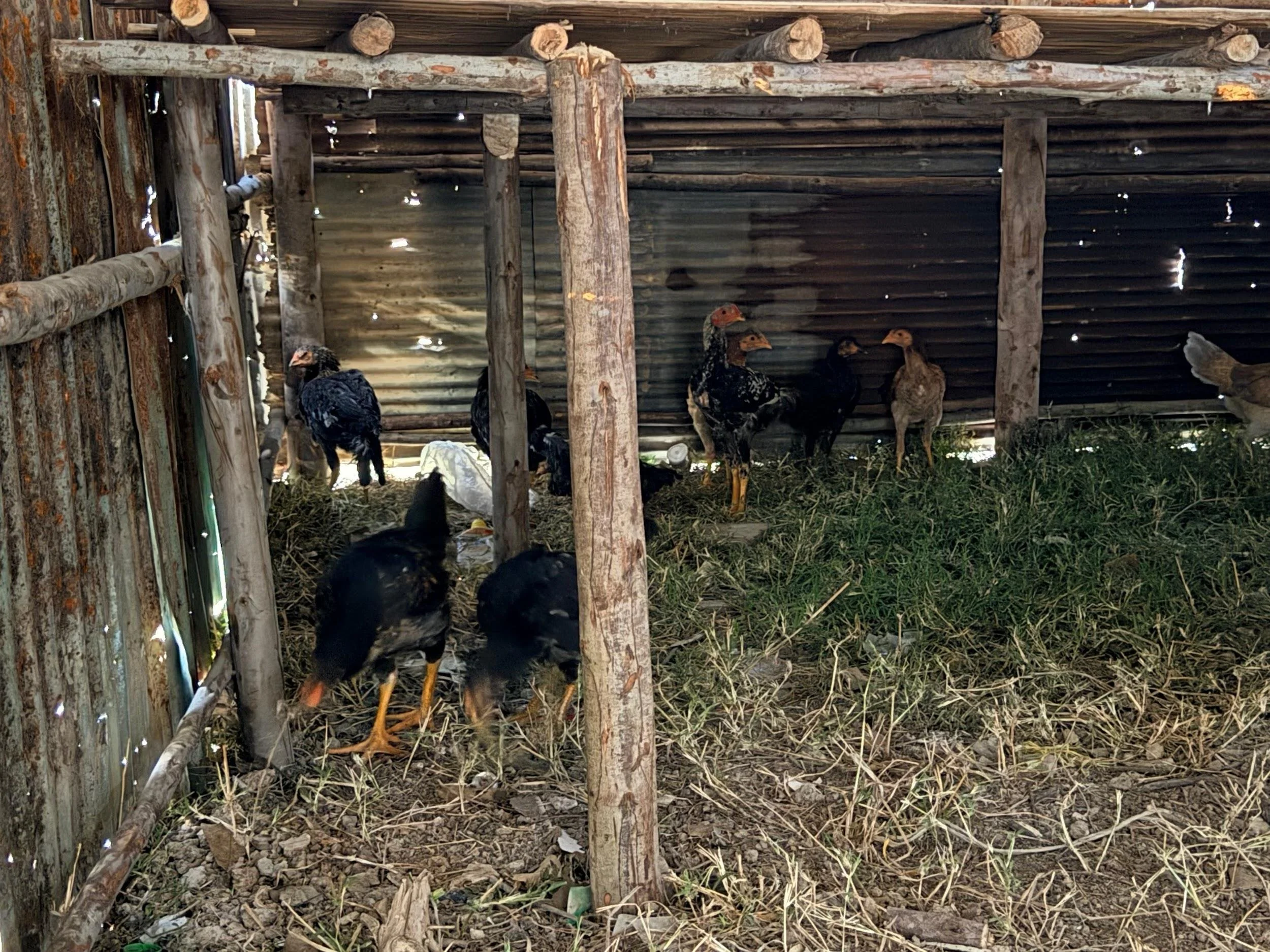
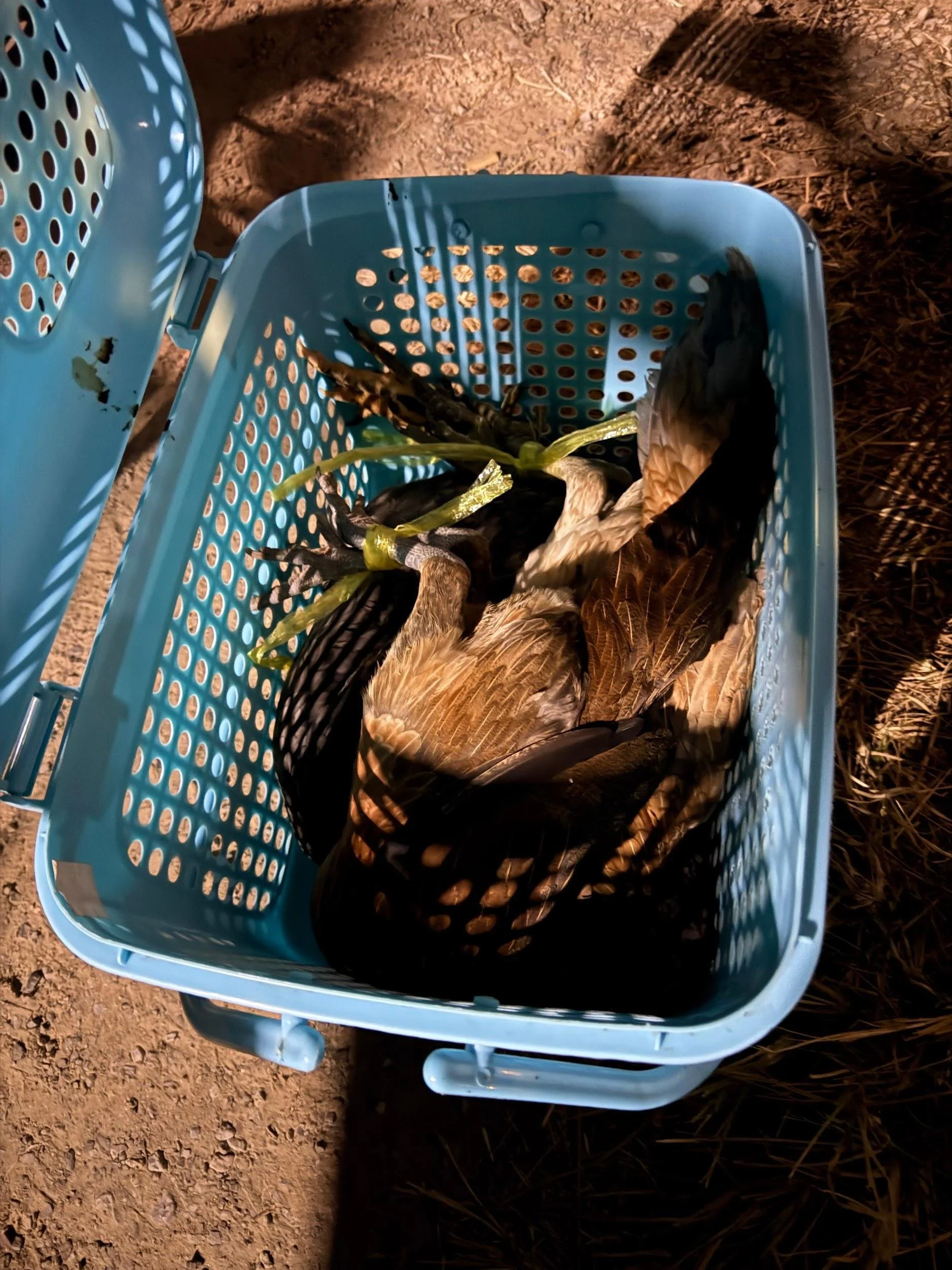
The purchase of 13 live chickens for breeding (including 6 larger chickens and 7 slightly smaller ones)
Basic poultry supplies such as initial feed and feeding/water containers
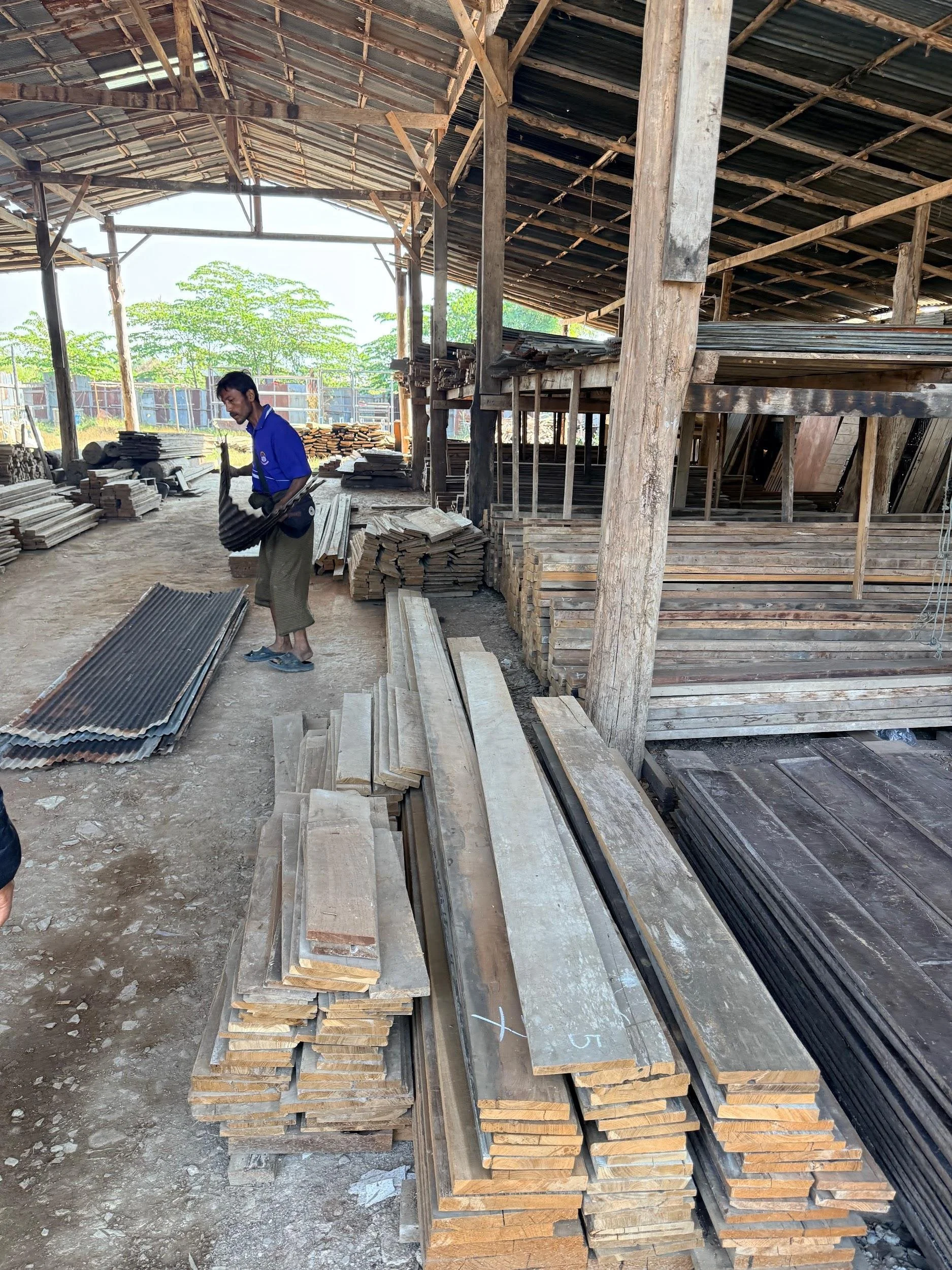
The update we received also documents the shelter construction process and chickens on-site with a photo showing the poultry shelter interior and the chickens being kept safely.
What This Changes for a Family
This poultry support means the family has a small but meaningful source of:
1) Daily nutrition
Eggs are one of the simplest, most effective sources of protein—especially important for growing children.
2) Stability
Even a small, consistent food source can reduce a family’s reliance on external assistance over time.
3) Possibility
If the chickens remain healthy and productive, the family may eventually sell surplus eggs or chickens occasionally, creating small income opportunities.
How We Measure Progress (and Protect the Project)
Better Burma will monitor outcomes such as:
Chicken survival rate after 3 months (target: ≥ 80%)
Egg production and household consumption (to be monitored)
The project also acknowledges real risks, especially for undocumented families living with uncertainty. One major risk is forced relocation if a landowner decides the family must move. To reduce the impact of this, the poultry shelter was designed using dismantle-friendly materials, so it can be moved and rebuilt if necessary.
Other risks include poultry disease outbreaks and rising feed prices, with simple mitigation strategies like hygiene practices, early isolation of sick chickens, and using locally available feed alternatives where possible.
A Shelter for Chickens—and Something More
For a family that lost everything to violence, this project is not only about poultry.
It’s the ability to provide something with your own hands again.
It’s the quiet kind that shows up in routine, responsibility, and care.
And it’s about a future where children can be more than displaced, they can be students, dreamers, and builders of a life that isn’t defined only by what was taken from them.
Better Burma is honored to stand beside families like this one, not just in crisis, but in the long work of rebuilding.