
Books Beyond Borders Begins
For children displaced by conflict, returning to a classroom can provide something their daily lives often lack: stability.
In the refugee camps along the Myanmar–India border, many children have arrived after leaving their homes with few or no belongings. Some traveled through forests and difficult terrain for several days before reaching safety. Others arrived without their parents and now live temporarily with relatives or other families in the refugee community.
Despite everything they have experienced, they are trying to continue their education.
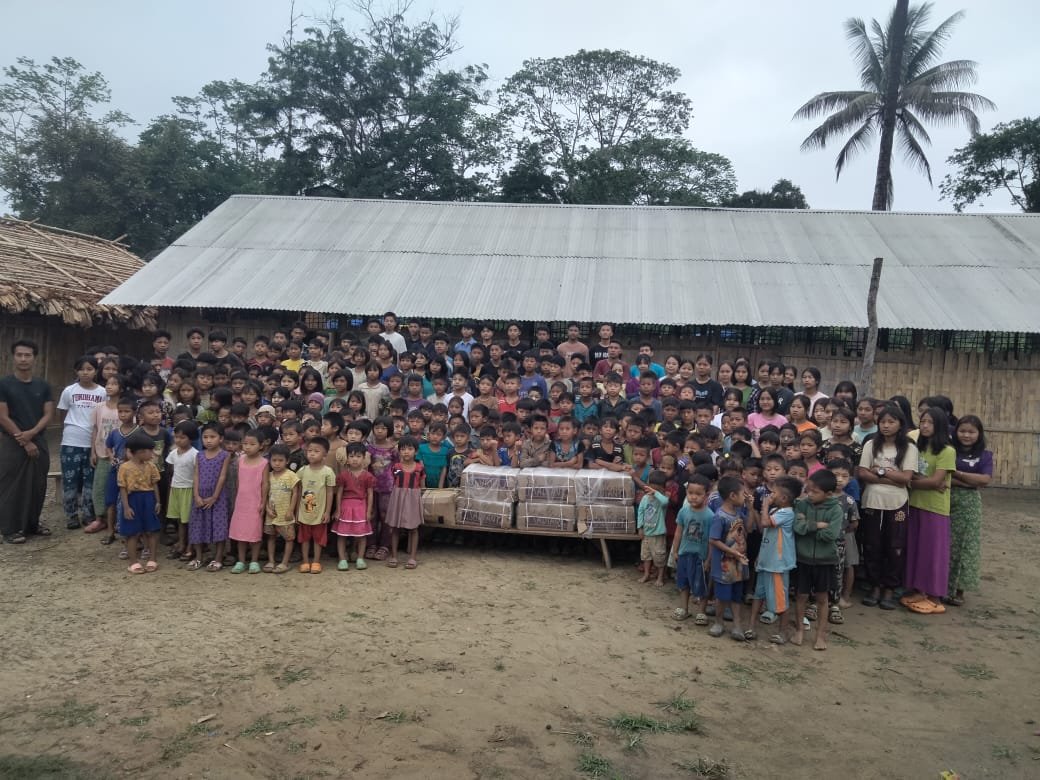
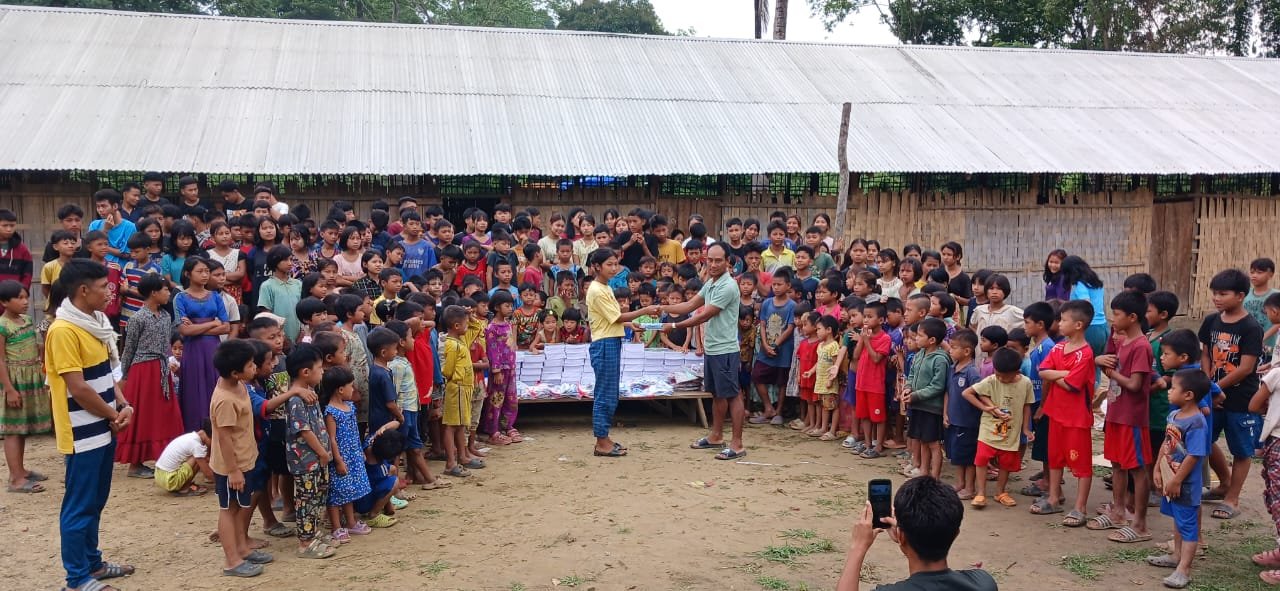
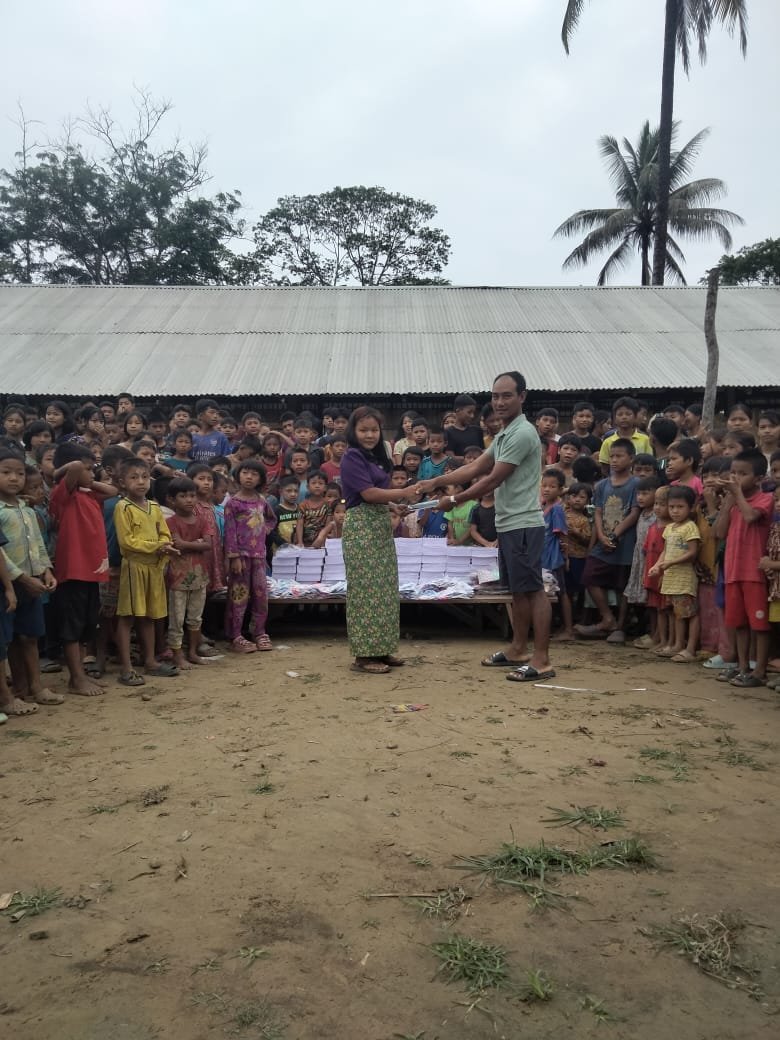
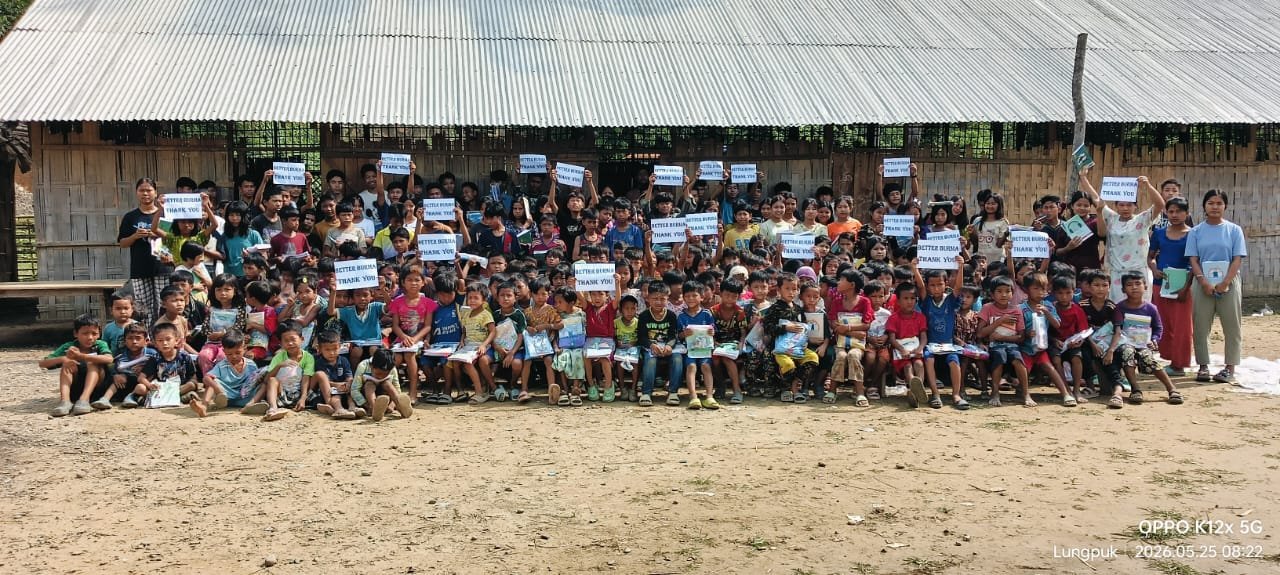
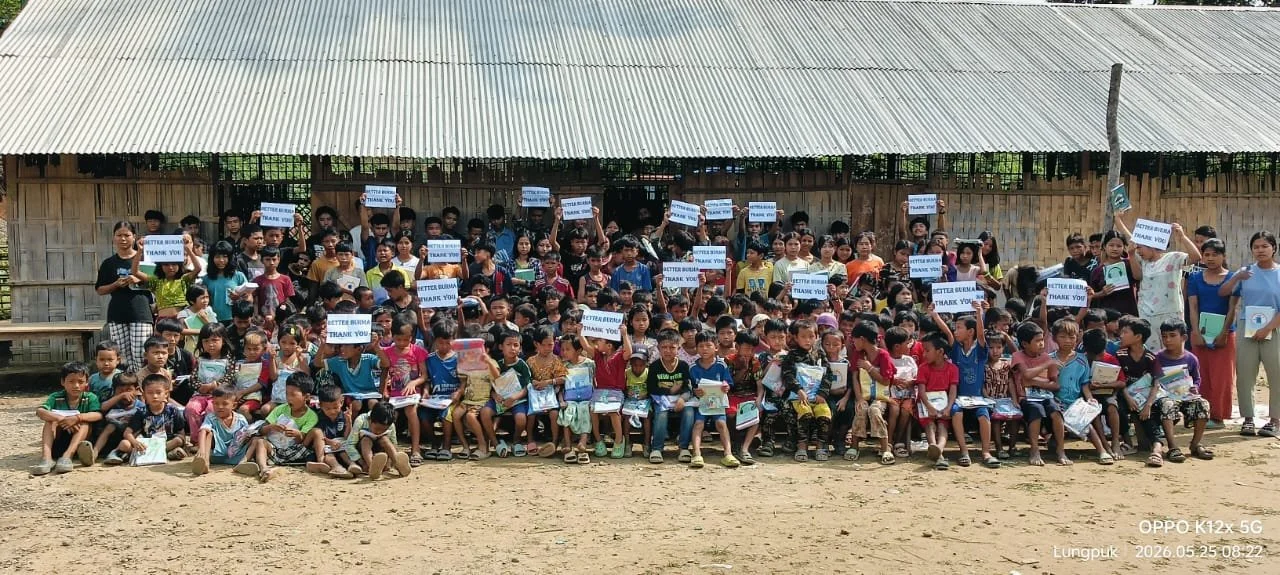
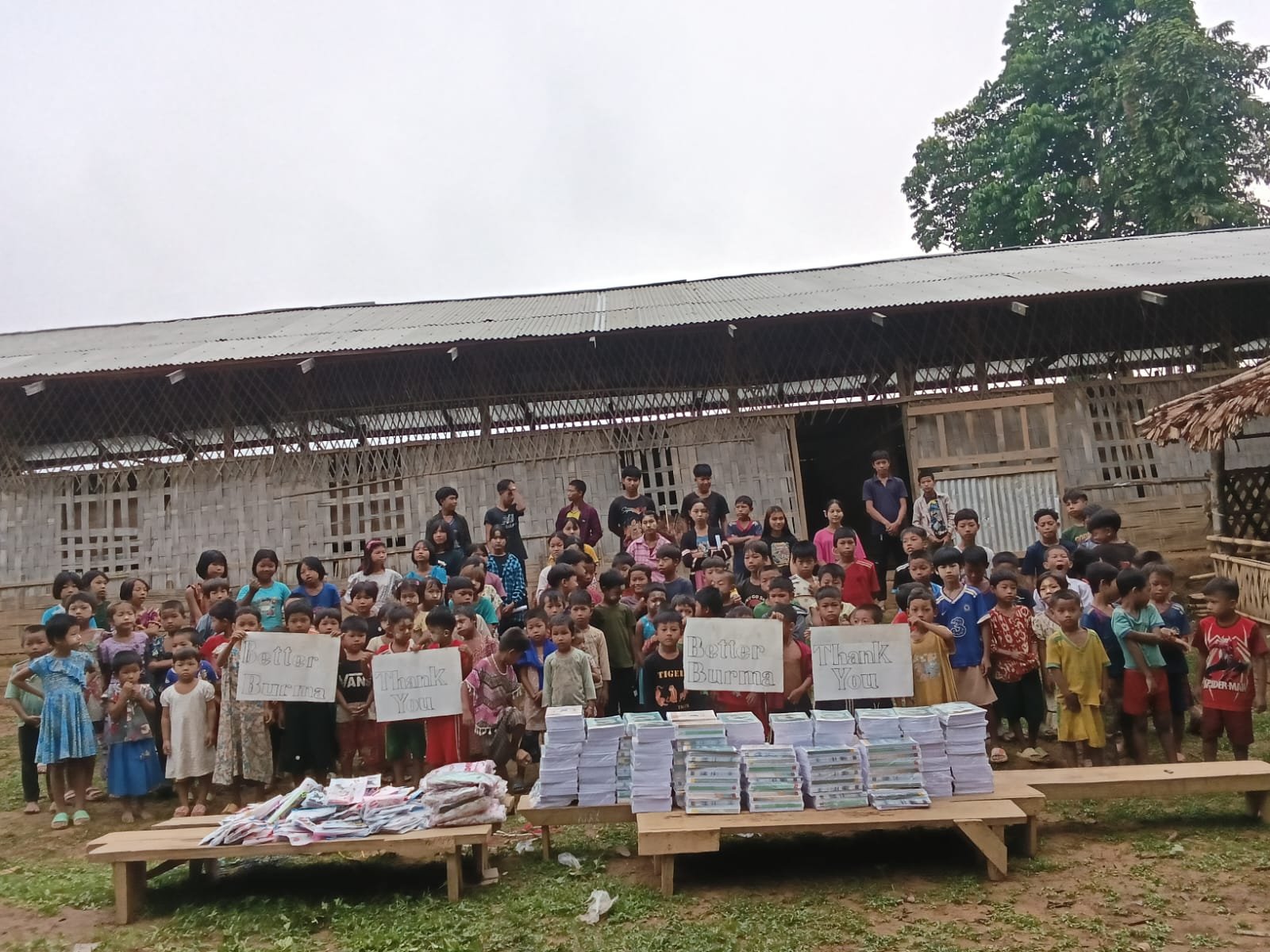
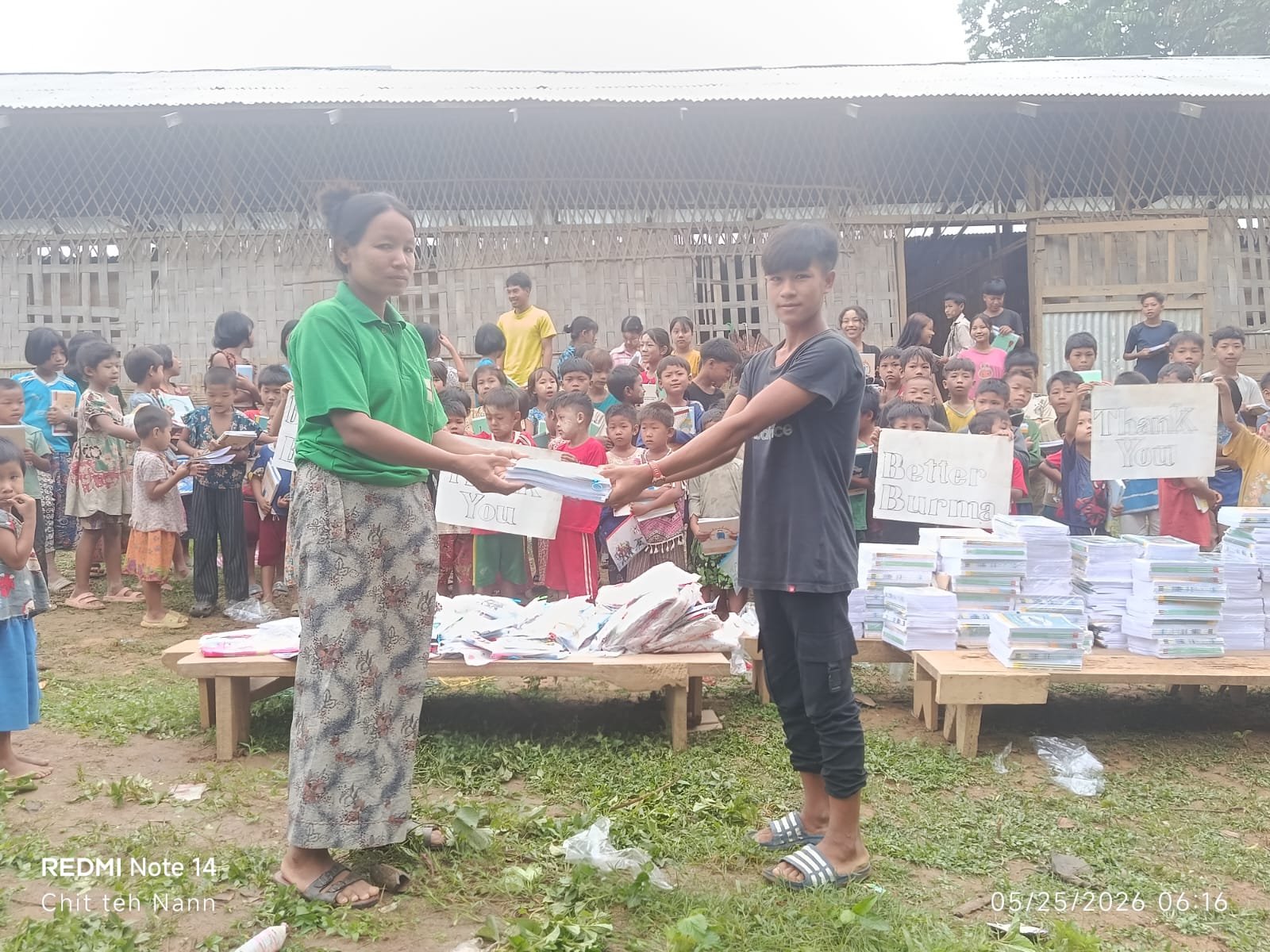
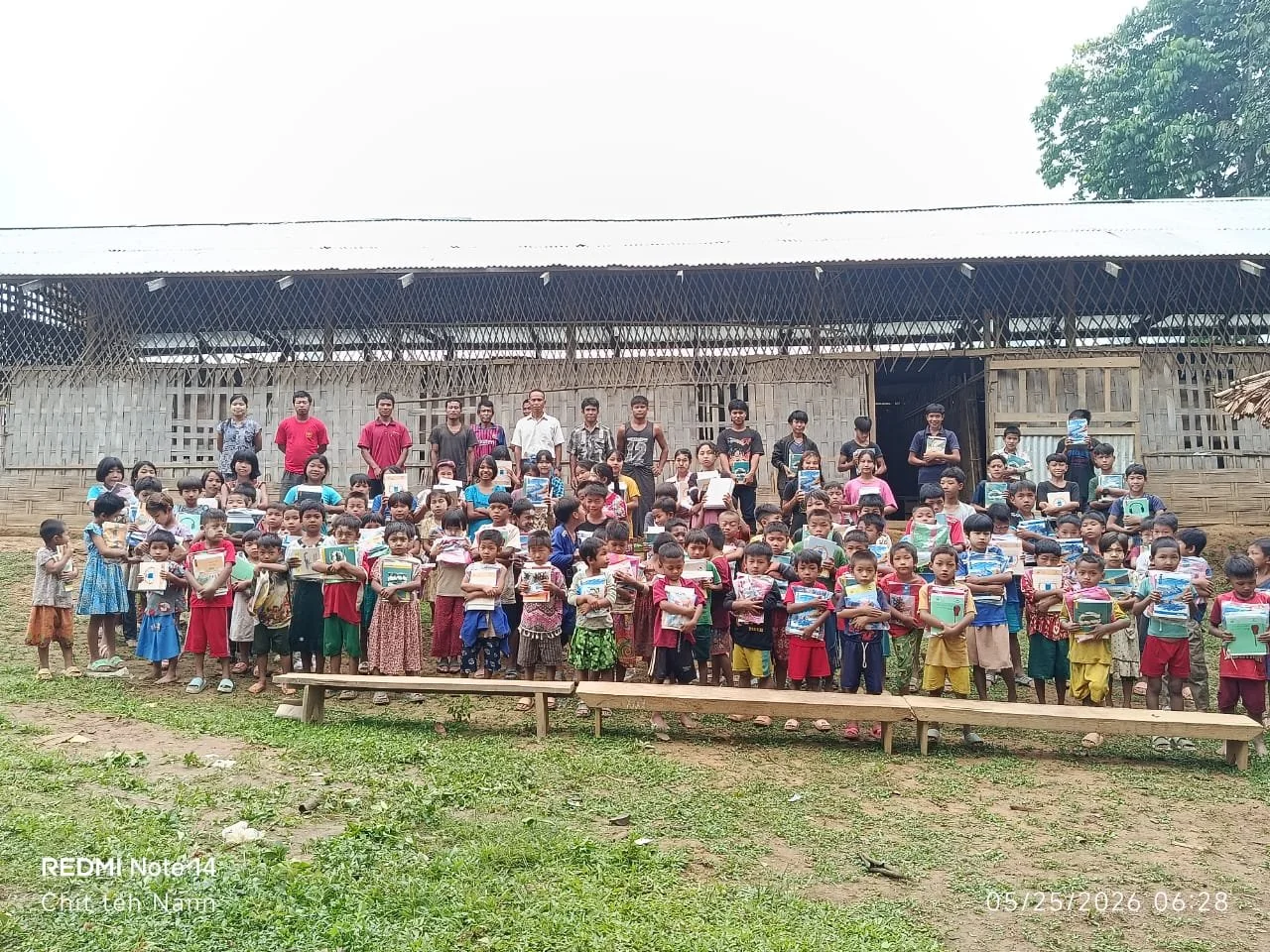
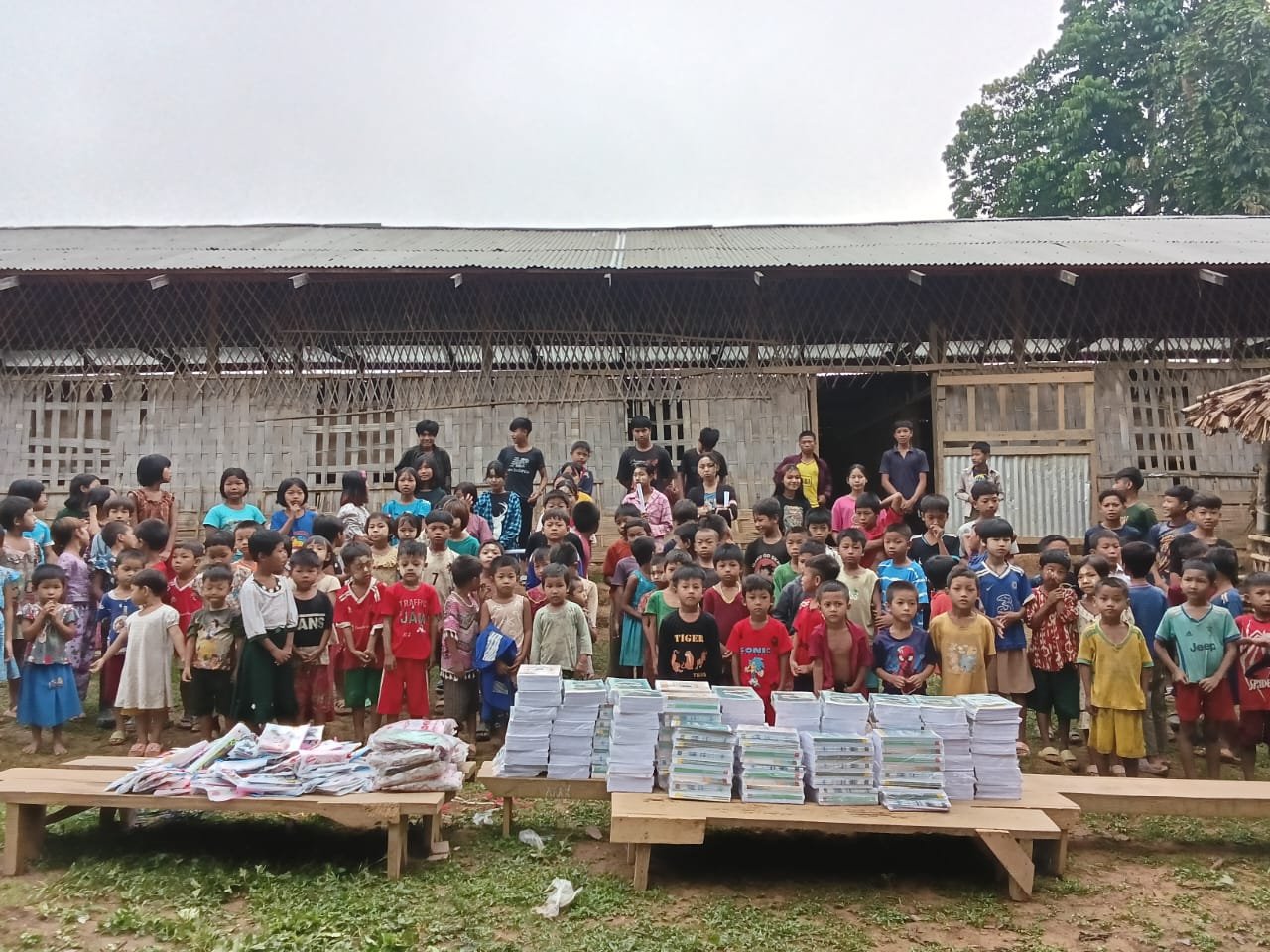
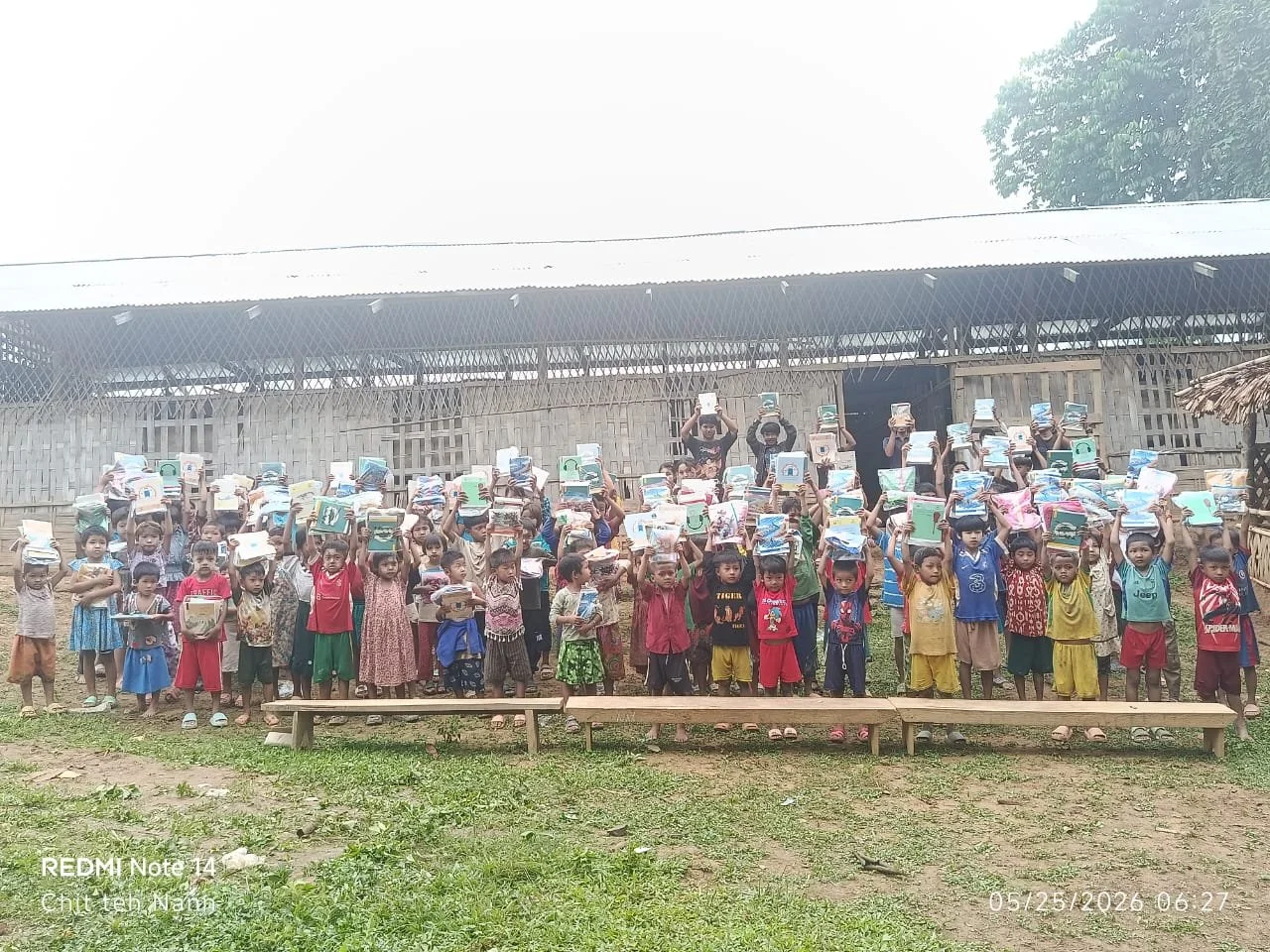
In May 2026, Better Burma launched the first phase of Books Beyond Borders to provide essential learning materials to 300 refugee students in Khaikhy and Lopu Camps in Siaha District, Mizoram.
Seeking Safety Across the Border
Since 2021, families affected by conflict and instability in Myanmar have continued arriving in communities along the border with India.
Many of the families living in Khaikhy and Lopu Camps originally came from Matupi and Paletwa Townships. Recent security threats and reports of forced recruitment have led more children and adolescents to leave their villages.
Some young people fled during raids and searches, traveling through forests and remote areas before reaching the camps. Many arrived without clothes, school supplies, or family support.
As the number of displaced children increased, refugee schools experienced a rapid rise in enrollment. These community-run schools had to welcome more students despite having limited classrooms, furniture, textbooks, and teaching materials.
For families already struggling to meet their daily needs, purchasing school supplies was often beyond what they could manage. The lack of notebooks, pens, and pencils became another obstacle preventing children from fully participating in school.
Books Beyond Borders was created in response to this immediate need.
Learning Materials for Different Age Groups
The first phase supported two groups of students:
100 children below Grade 4
200 students from Grades 5 to 10
The learning packages were prepared according to the needs of each age group.
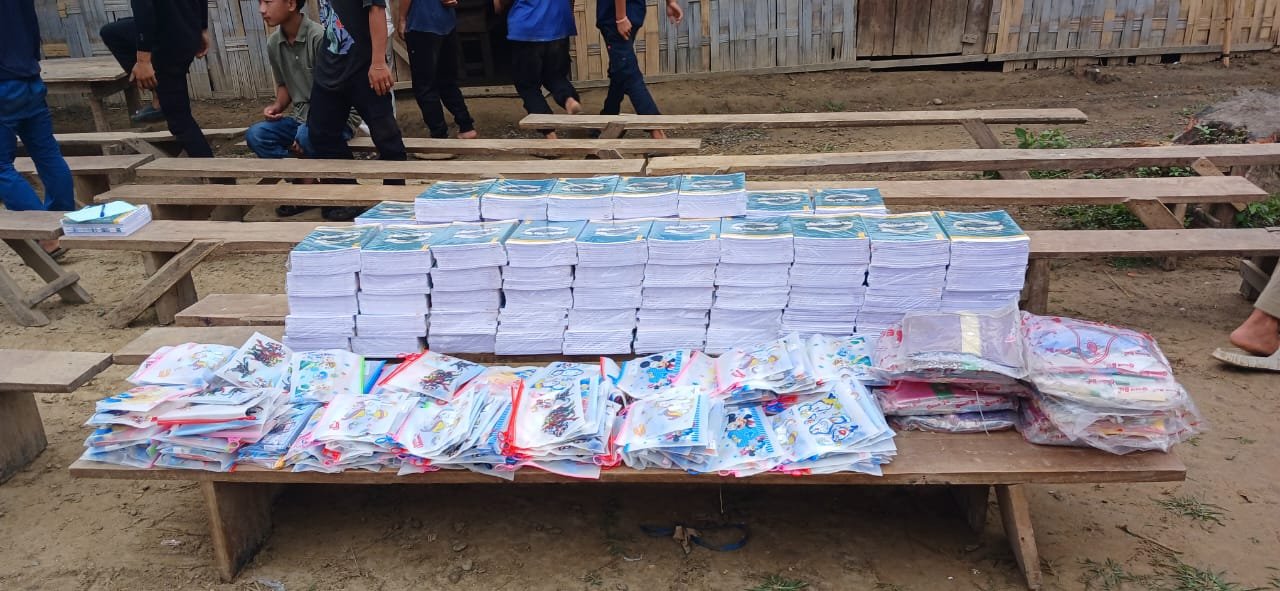
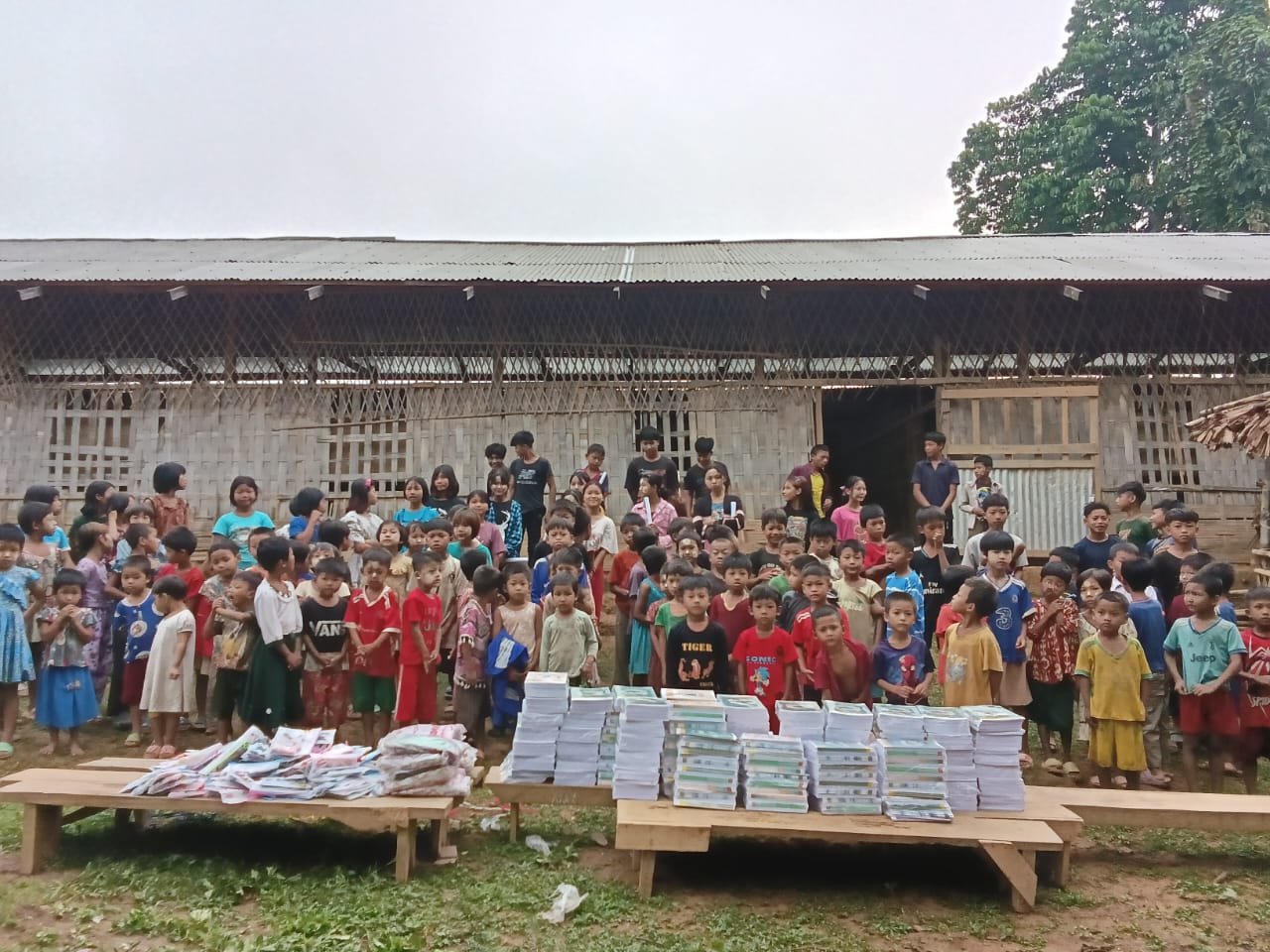
Younger students received four-line exercise books for handwriting practice, pencils, crayons or colored pencils, sharpeners, erasers, and pouches for organizing their materials. Each child also received a raincoat, providing added protection while traveling to school during the rainy season.
Students in Grades 5 through 10 received ten exercise books each, along with pens, pencils, erasers, sharpeners, and pouches.
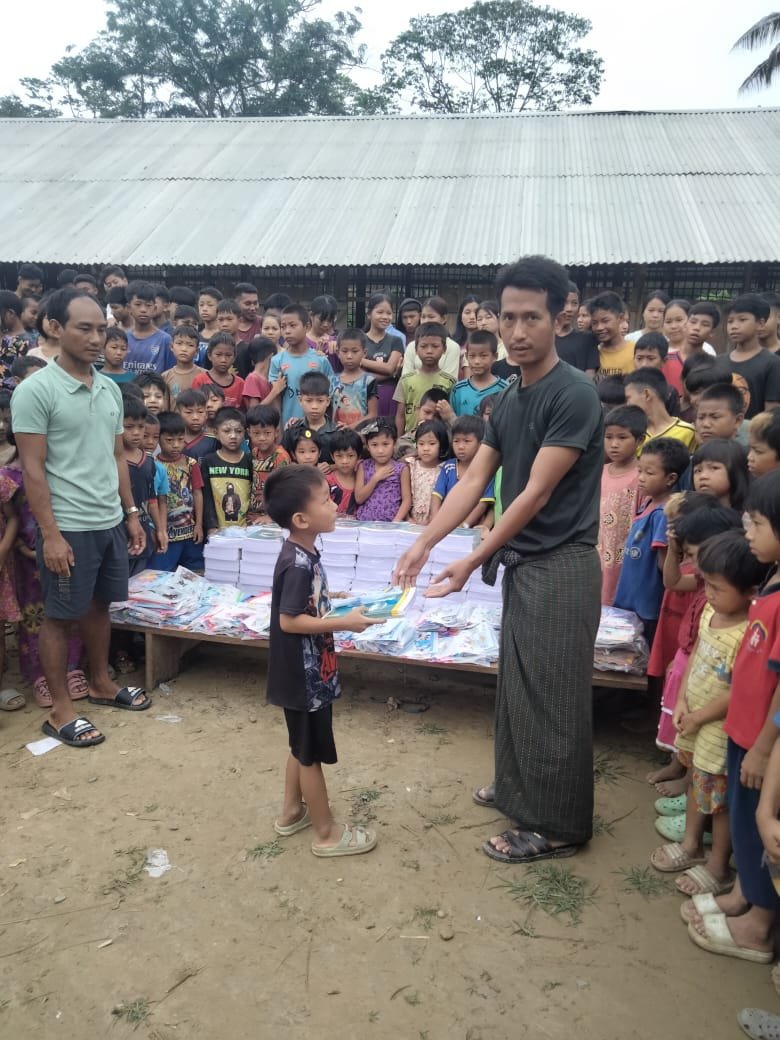
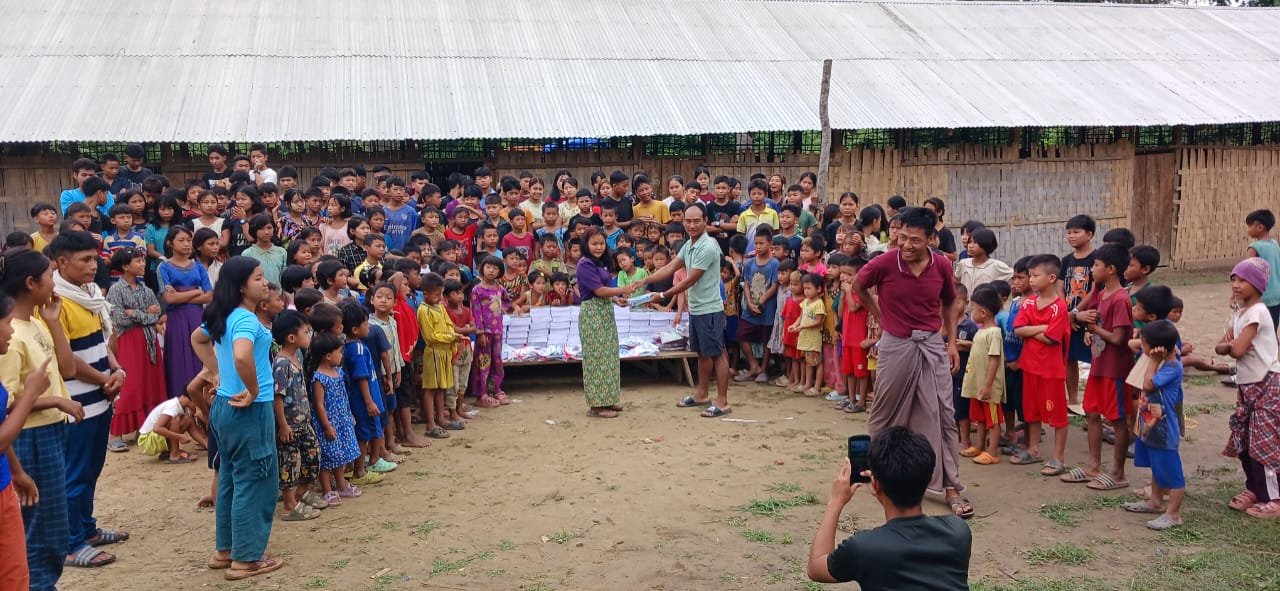
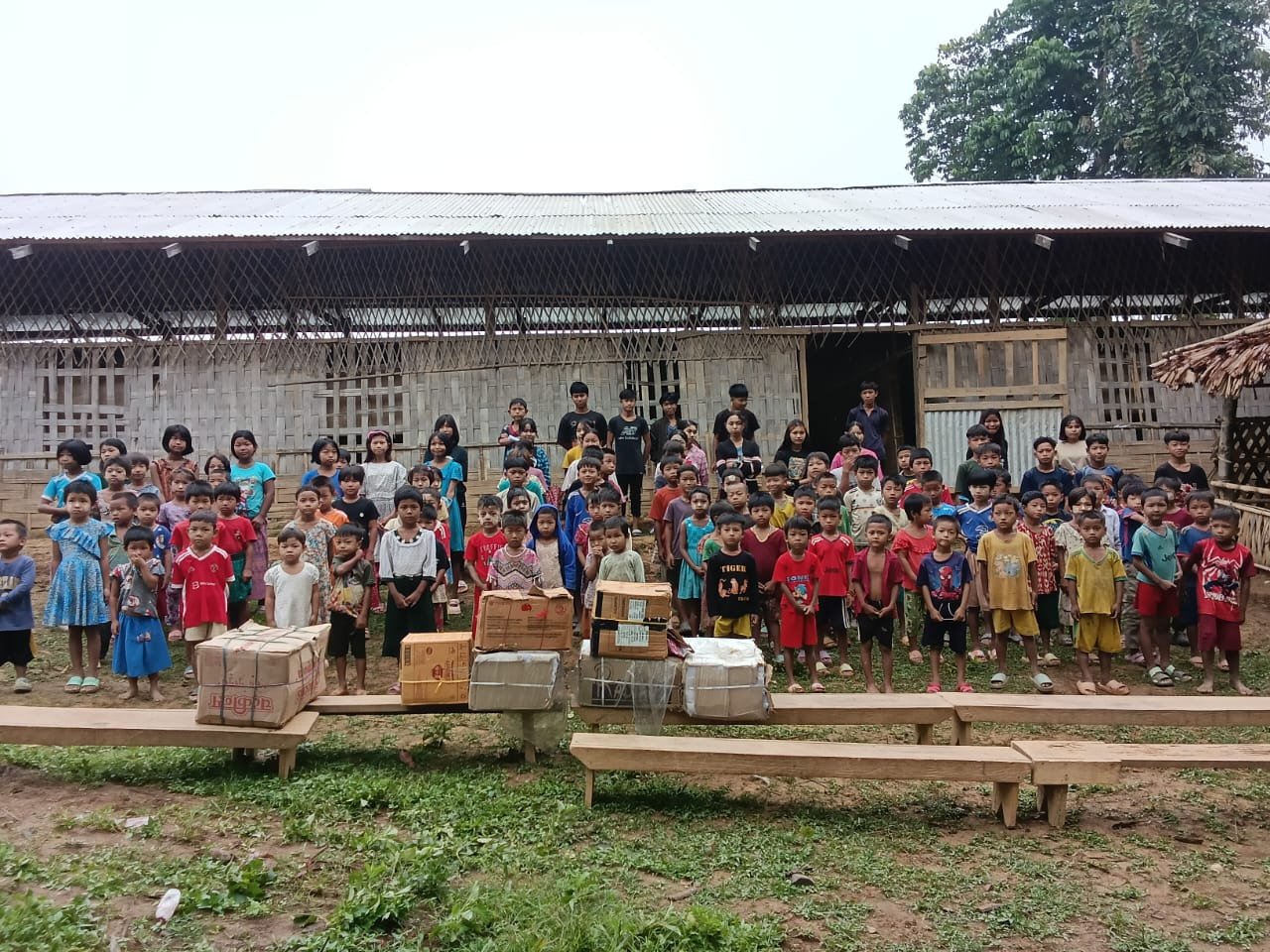
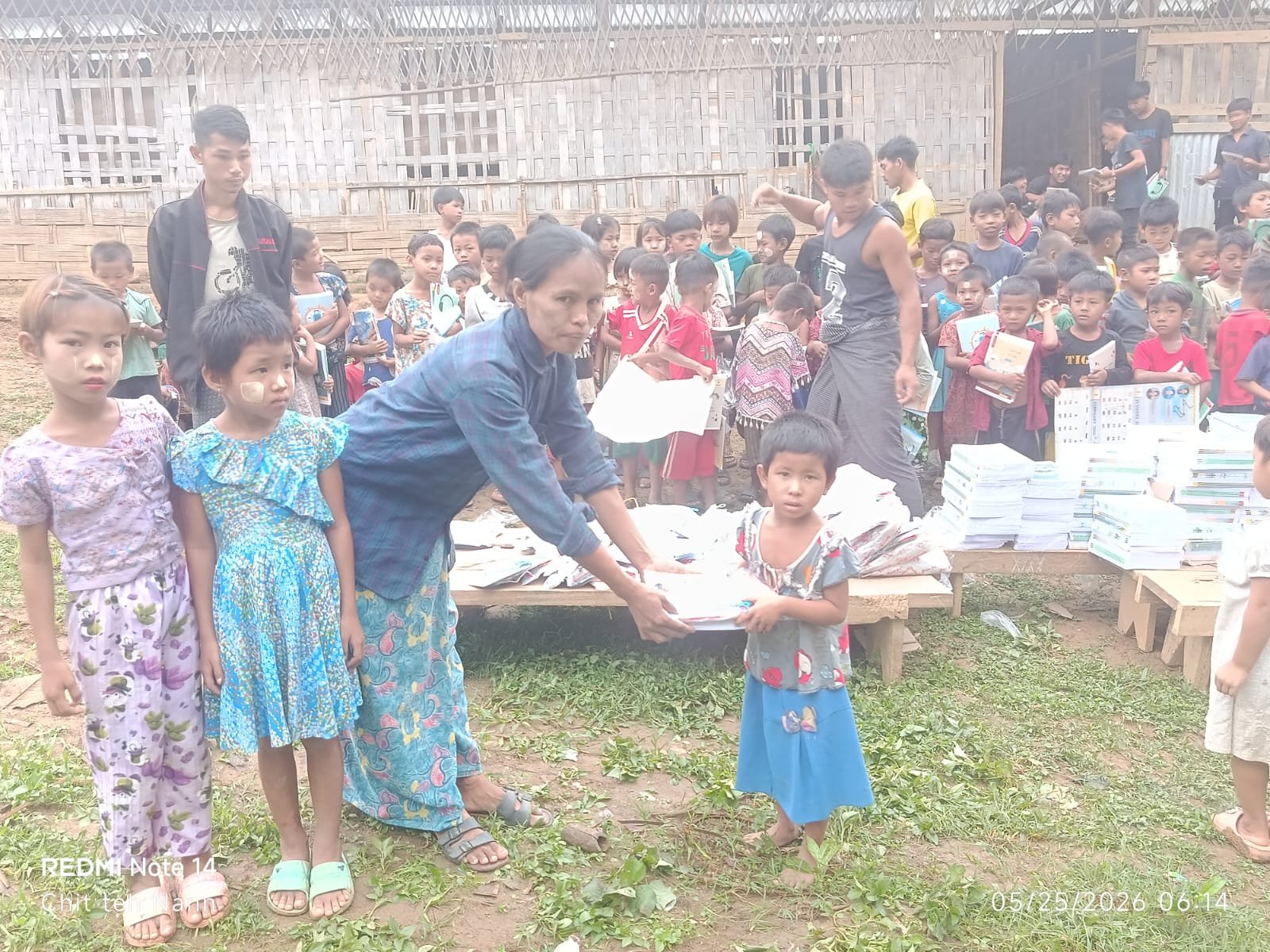
Once prepared, the supplies were transported by the ground team to Khaikhy and Lopu Camps. Despite the logistical difficulties of working along the border, all materials arrived safely and were distributed according to the approved student lists.
Every one of the 300 targeted students received an individual learning package.
For children who arrived in the camps without personal belongings, receiving their own notebooks and writing materials carried a meaning beyond their practical use.
The supplies allowed them to enter the classroom prepared, complete their lessons, and participate alongside other students. They also reduced some of the stress experienced by parents and caregivers who wanted their children to remain in school but could not provide everything they needed.
Students and parents shared that the assistance gave them encouragement and renewed motivation. For children whose lives had been interrupted by conflict and displacement, being equipped for school helped restore a small sense of normalcy.
A notebook offers a place to record lessons. A pencil allows a young child to practice writing. A raincoat helps make the journey to school safer during difficult weather. Together, these simple items help ensure that displacement does not completely interrupt a child’s education.
Schools Under Growing Pressure
Although the distribution successfully reached 300 students, the needs within the camps continue to grow.
Newly displaced children are still arriving, placing further pressure on already limited learning spaces. Schools need additional classrooms, desks, benches, textbooks, notebooks, school bags, and teaching materials.
Some children have reached the camps without their parents and are staying wherever relatives or community members can find room for them. Overcrowding and inadequate shelter remain serious concerns.
The challenges affecting education are also connected to wider humanitarian conditions. Families face limited access to clean drinking water, nutritious food, healthcare, medicines, and secure livelihoods. Illnesses including malaria, typhoid, anemia, and malnutrition have been reported in the camps.
A child’s ability to remain in school depends on more than having stationery. Children also need safe shelter, adequate nutrition, access to healthcare, and classrooms equipped to receive them.
Education as a Form of Protection
In prolonged displacement, education does more than prepare children academically. A functioning school offers routine, supervision, and a supportive community.
It gives children a place to spend their days safely and keeps them connected to adults who can recognize their needs. It also allows young people to continue imagining a future beyond the uncertainty surrounding them.
For students who fled security threats and forced recruitment, staying in school can be an important form of protection.
The first phase of Books Beyond Borders helped 300 refugee students continue learning with dignity. It also laid the foundation for the initiative’s continued expansion to other refugee communities in Mizoram.
Better Burma is deeply grateful to the teachers, camp leaders, parents, volunteers, ground staff, and supporters who made this first distribution possible. Their collective effort gave 300 displaced children not only the materials required for school, but also reassurance that their education, and their future—still matter.