
Reaching Those Detained
For political prisoners in Myanmar, the hardship of detention extends far beyond the loss of freedom. Access to sufficient food, essential supplies, and medical care can be uncertain, while families and support networks often face serious challenges trying to reach those inside.
Recently, Better Burma supported an assistance effort providing essential supplies for political prisoners in Myanmar and urgent medical care for a former political prisoner following their release.
Medical Support After Release
Leaving prison does not always mean that the effects of detention are over. Former political prisoners may return carrying physical and emotional consequences that require continued care.
One recently released individual began experiencing concerning symptoms after reaching safety. Their condition required medical attention and access to essential medication.
Through this assistance, the former political prisoner received a one-month supply of medicine to address their immediate health needs. Their identity and further personal details are being withheld for safety and privacy.
This support offered something practical at a vulnerable moment: the ability to begin receiving care without further delay.
Essential Supplies for Those Still Detained
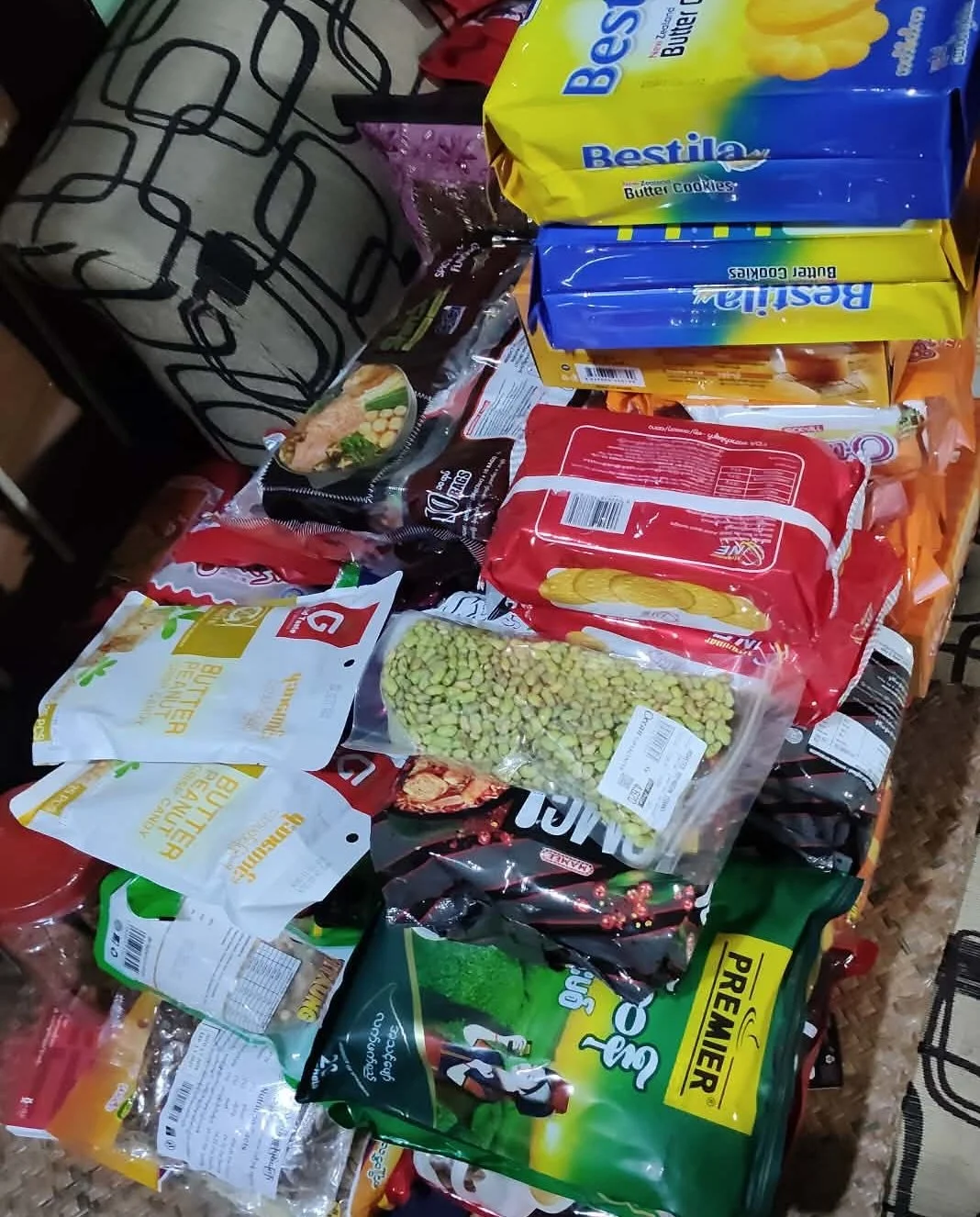
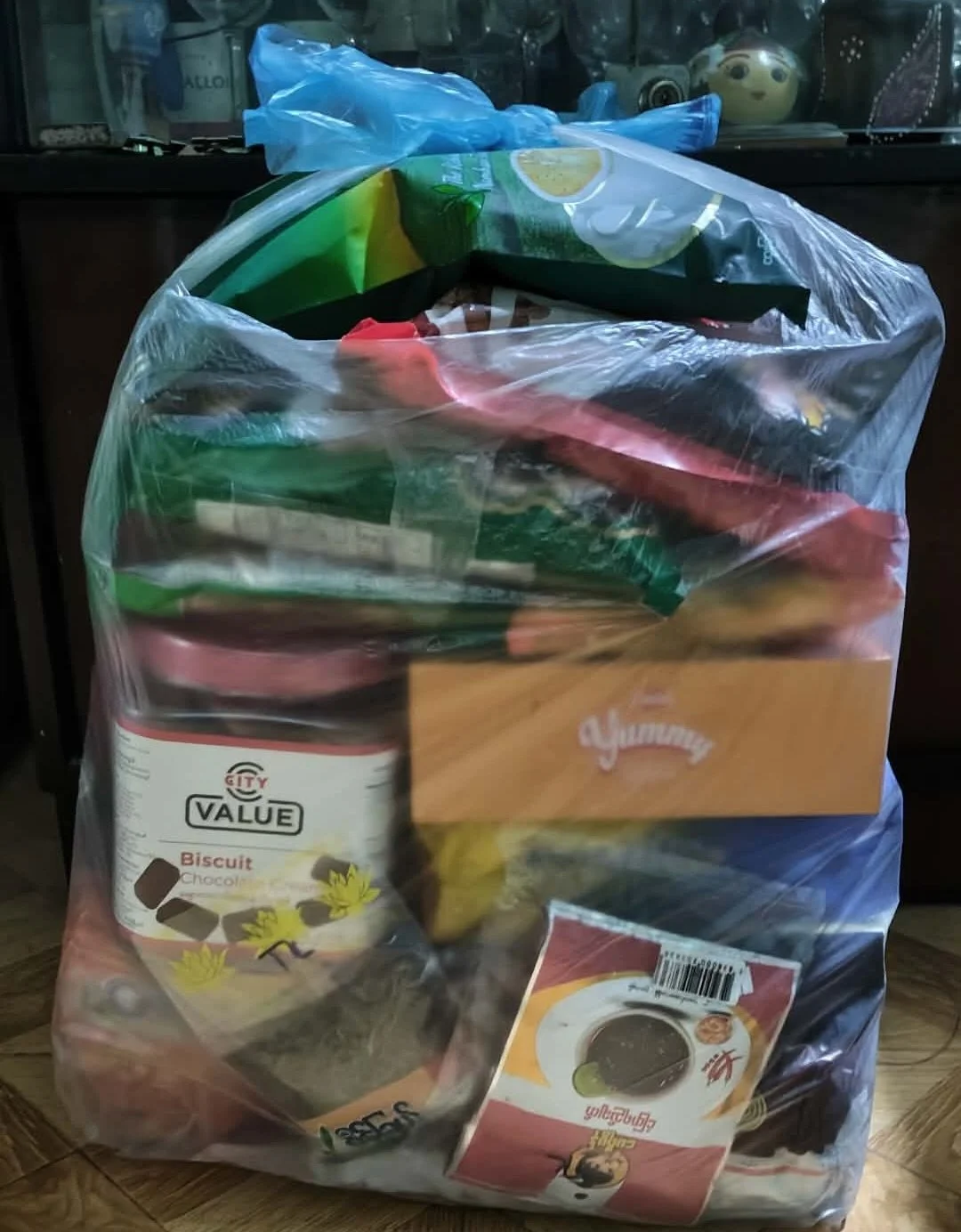
The remaining assistance was used to purchase food and other essential supplies for political prisoners still being held inside Myanmar.
At the time of reporting, the supplies had been purchased and were being prepared for distribution. To protect recipients and those assisting with delivery, the care packages were planned to be delivered through three separate distributions.
This careful approach reflects the risks involved in reaching political prisoners. Assistance must be organized discreetly, with limited public information about recipients, routes, and local partners.
Although the contents of a care package may appear simple, their value can be significant. Food and basic necessities offer immediate relief while reminding those in detention that they have not been forgotten.
Support That Must Remain Quiet
Some humanitarian efforts can be documented openly through photographs, beneficiary names, and public distributions. Support for political prisoners is different.
Publicizing personal information or operational details could place prisoners, former detainees, their families, and local volunteers at additional risk. For this reason, much of the work must remain unseen.
The absence of names and photographs does not diminish the importance of the assistance. It reflects the care required to deliver support responsibly in a highly sensitive environment.
Behind every package is a person enduring confinement. Behind every medical intervention is someone attempting to recover after release. And behind each delivery is a network of individuals taking careful steps to ensure that assistance reaches the intended recipient safely.
Care Beyond Detention
A prison sentence can continue affecting someone long after release. Health problems may emerge or worsen, while former detainees must adjust to life outside under conditions that may still be uncertain.
Providing medicine to a recently released political prisoner recognizes that support should not end at the prison gate. Recovery requires time, medical attention, and a community willing to remain present.
Similarly, care packages for those still detained cannot undo the injustice or hardship of imprisonment. They can, however, meet immediate needs and offer a quiet expression of solidarity.
Better Burma is grateful to everyone whose support made this assistance possible, as well as to the trusted individuals working carefully to purchase, prepare, and deliver the supplies. In circumstances where so much must remain private, these acts of care continue to remind political prisoners and former detainees that they are not alone.